The New Kind of World Leader
For centuries, diplomacy was a game played with maps. It was about borders, trade routes, and treaties signed in gilded palaces.
But in 2026, the most critical borders are not physical; they are digital. The trade routes are fiber optic cables. The treaties are data privacy protocols.
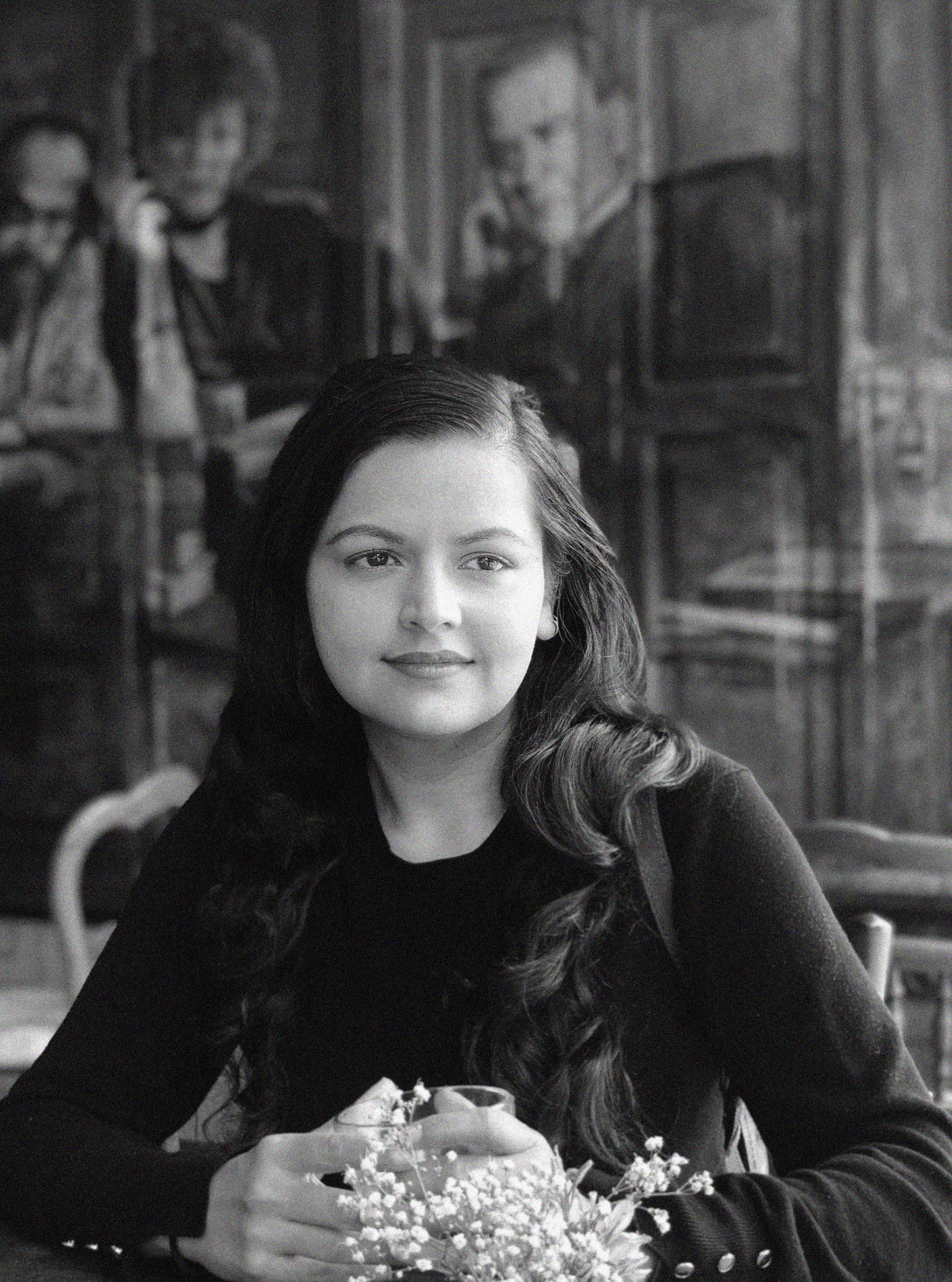
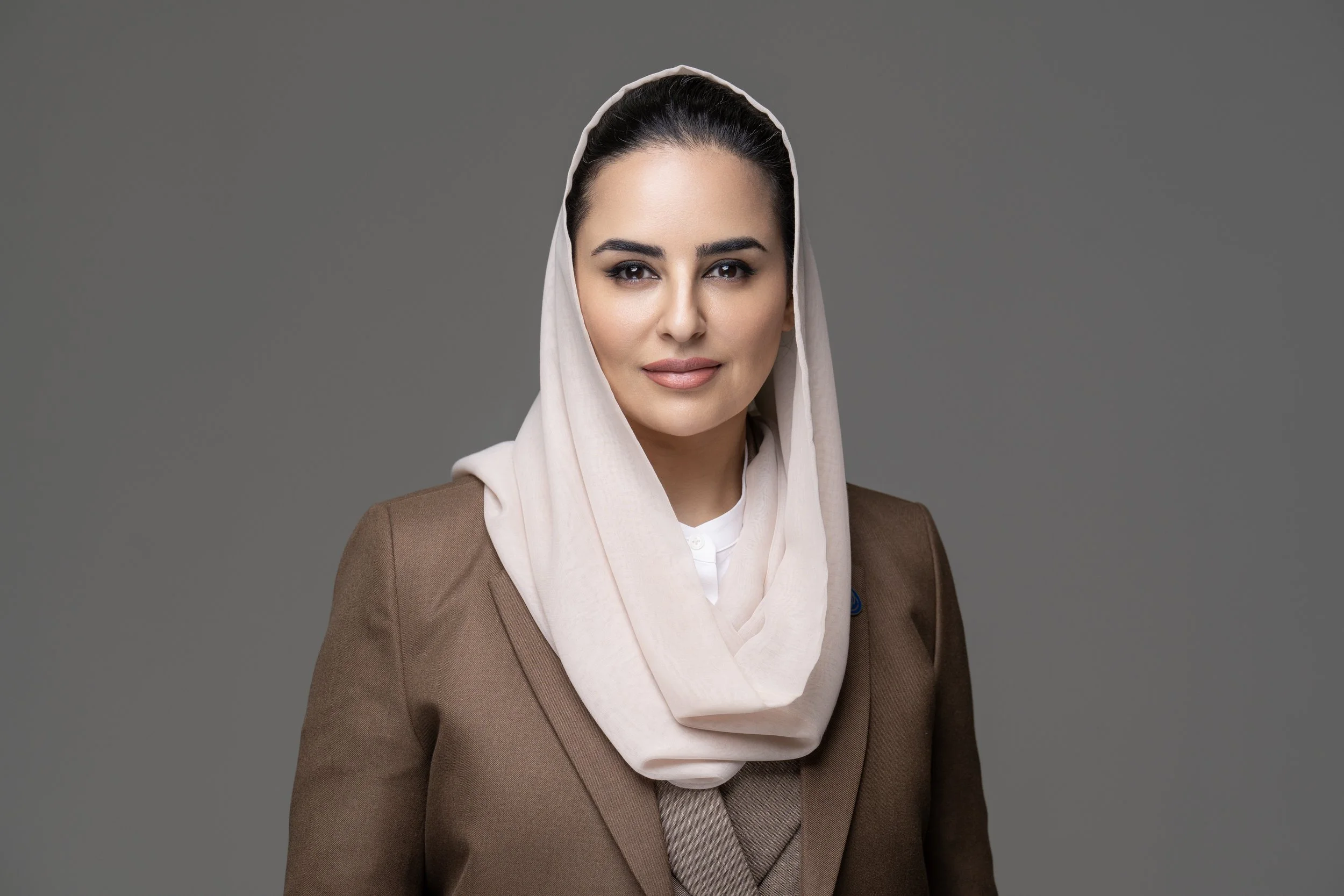
This shift has birthed a new category of world leader, and Deemah AlYahya is the prototype.
AlYahya serves as the Secretary-General of the Digital Cooperation Organization (DCO), an intergovernmental body representing over 800 million people. But unlike most diplomats, she did not study political science. She studied Computer Science. She is a software engineer by trade.
She represents the rise of the "Tech Diplomat"—a leader who argues that you cannot regulate the digital economy if you do not understand the code that built it.
"We are moving from an era of oil diplomacy to data diplomacy," she often notes. In this new world, technical literacy is not just a skill; it is a prerequisite for sovereignty.
The Art of the "Code-Switch" (A Career Playbook)
How do you go from writing code at a bank to negotiating with Heads of State?
AlYahya’s career is a masterclass in "Code-Switching." She didn't climb a traditional corporate ladder; she built a lattice that connected two worlds that rarely speak the same language: Hardcore Tech and Public Policy.
Phase 1: The Technician She began her career as a software engineer at Samba Financial Group and later at the Saudi Stock Exchange (Tadawul). At the time, she was often the only woman in the room. This was her "deep work" phase. She learned the granular reality of digital infrastructure. She didn't just manage the systems; she built them.
Phase 2: The Strategist The first major pivot came when she joined Microsoft. She didn't stay in the back end; she moved to the front lines as the Executive Director of Developer Experience. Here, she learned the language of corporate strategy. She became a translator, explaining complex technical constraints to business leaders who just wanted results. She became the first Saudi woman to hold a senior executive role at the tech giant.
Phase 3: The Diplomat The final pivot was to the public sector, leading the National Digitization Unit and eventually the DCO.
This trajectory reveals a critical lesson for modern leaders: The most valuable asset in the AI age is bilingualism. Not speaking English and French, but speaking Python and Policy.
AlYahya is effective because she can sit with a developer and understand the API limitations, then walk into a room with a Minister of Economy and explain the GDP implications. She bridges the gap between the "move fast and break things" culture of Silicon Valley and the "move slow and regulate things" culture of government.
The Warning: The Coming "AI Divide"
While the Western world debates whether ChatGPT will take our marketing jobs, AlYahya is sounding a much more urgent alarm.
She is worried about the "AI Divide."
Her thesis is simple and terrifying: If computing power and data centers are concentrated in just a handful of wealthy nations, the rest of the world will become a "Digital Colony."
"We cannot have a world where the Global South merely consumes AI while the Global North creates it," she argues.
This is not hyperbole. It is economics.
In the industrial age, if you didn't have factories, you were poor.
In the digital age, if you don't have "Compute" (processing power), you are invisible.
Through the DCO, she is pushing for a "Digital Prosperity" model that treats connectivity like water or electricity—a fundamental human right, not a luxury product. She advocates for open-source AI models and cross-border data flows that allow smaller nations to build their own digital economies rather than just renting them from Big Tech.
The Human Element
Despite her high-level focus on infrastructure, AlYahya’s mission is deeply personal.
Long before she was a Secretary-General, she founded Women Spark, an angel investment network for Saudi women. She realized early on that "access" is the difference between a consumer and a creator.
She saw brilliant women who had the code but lacked the capital. She saw innovators who had the product but lacked the network.
Her work today is simply Women Spark writ large. She is trying to ensure that entire nations—Pakistan, Rwanda, Jordan—have the "seed capital" (digital infrastructure) they need to compete.
The Future is Hybrid
Deemah AlYahya proves that the leaders of the future will not fit into neat boxes. They will not just be "technologists" or "politicians." They will be hybrids.
She teaches us that if you want to change the world, you have to understand how it works at the root level. You have to know the code.
Double-click to edit...
EXPLORE OUR BLOg: