
The Subway Laboratory: Why 2026 Mastery Requires 10,000 Hours of Public Failure
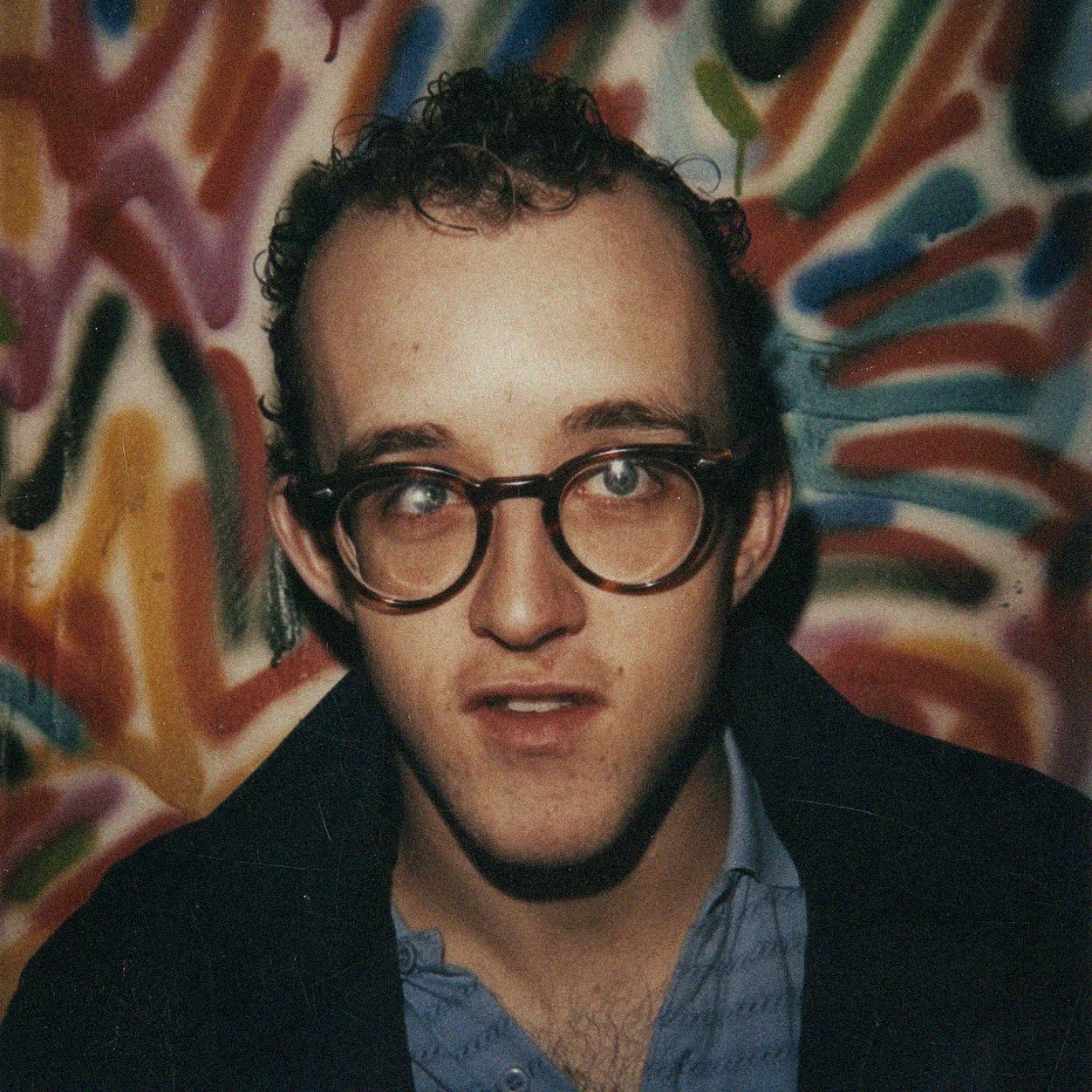
In the heart of New York’s East Village, the Brant Foundation has unveiled a homecoming that feels less like a retrospective and more like a call to arms. The new Keith Haring exhibit, focusing on the seminal years of 1980–1983, arrives at a precise cultural inflection point.
As we navigate a 2026 professional landscape defined by the "Confidence Crisis" and the rapid-fire encroachment of AI-generated polish, Haring’s "Subway Laboratory" offers the ultimate antithesis: the raw, unapologetic Volume of Success.
The 40-Drawing-A-Day Rule
Before Keith Haring was an institutional entity, he was a practitioner of high-velocity output. In the early eighties, Haring utilized the NYC subway system not as a gallery, but as a laboratory. He famously executed up to 40 chalk drawings a day—ephemeral, public, and relentlessly iterative.
For the modern professional, the lesson is clear: Mastery is a byproduct of volume, not a precursor to it. We often speak of the "10,000-hour rule," but we rarely discuss the 10,000 failures that occupy those hours. Haring didn't wait for the "Radiant Baby" to be perfect; he drew it until it became inevitable.
"The subway was a laboratory for working out ideas and experimenting with simple lines... It was a way of participating in the world." — Keith Haring
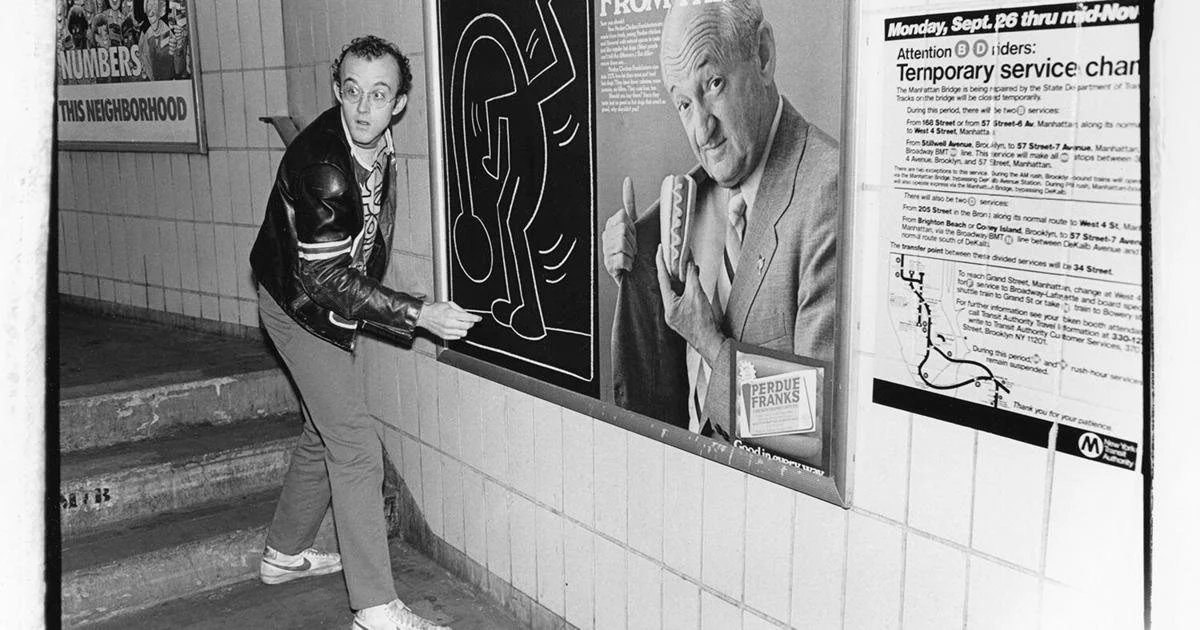
Keith on the NYC Subway
The Mentorship Prototype Phase
At WE RULE, we define this as the "Subway Laboratory" Phase of Mentorship. In a world obsessed with the "final grid" aesthetic, the most valuable mentorship isn't found in the curation of success, but in the permission to prototype.
The 2026 workforce—particularly Generation Z—reports a significant hesitation to "build in public." Yet, Haring’s genius was his refusal to hide the process. He treated the MTA’s black paper panels as a "safe-to-fail" sandbox.
Strategic mentorship in 2026 must mirror this. A mentor’s primary role is no longer just to open doors; it is to demand the "chalk work." It is the demand for 40 drafts, 40 pitches, and 40 "bad" ideas that eventually distill into a singular, iconic brand.
The Architecture of Career Velocity
To achieve the "chic" professional identity required in today’s market, one must embrace the Subway Laboratory ethos:
Low-Stakes Iteration: Treat your early-stage projects as disposable chalk drawings. The goal is the muscle memory of creation, not the permanence of the result.
The Human Premium: While AI can generate a "masterpiece" in seconds, it cannot replicate the Radiant Potential of human experience earned through repetition.
Public Accountability: Haring worked in front of an audience. True career mastery requires the bravery to let your "prototypes" be seen, critiqued, and evolved in real-time.
Why the Brant Foundation Matters Now
Walking through the Brant Foundation this season, one sees more than just art; one sees the blueprint for Institutional Authority. Haring’s transition from the subway to the global boardroom was not an accident of "luck." It was the result of a rigorous, high-volume practice that made his visual language impossible to ignore.
As we look toward the future of leadership, we must ask ourselves: Are we waiting for the gallery invite, or are we down in the subway doing the work?
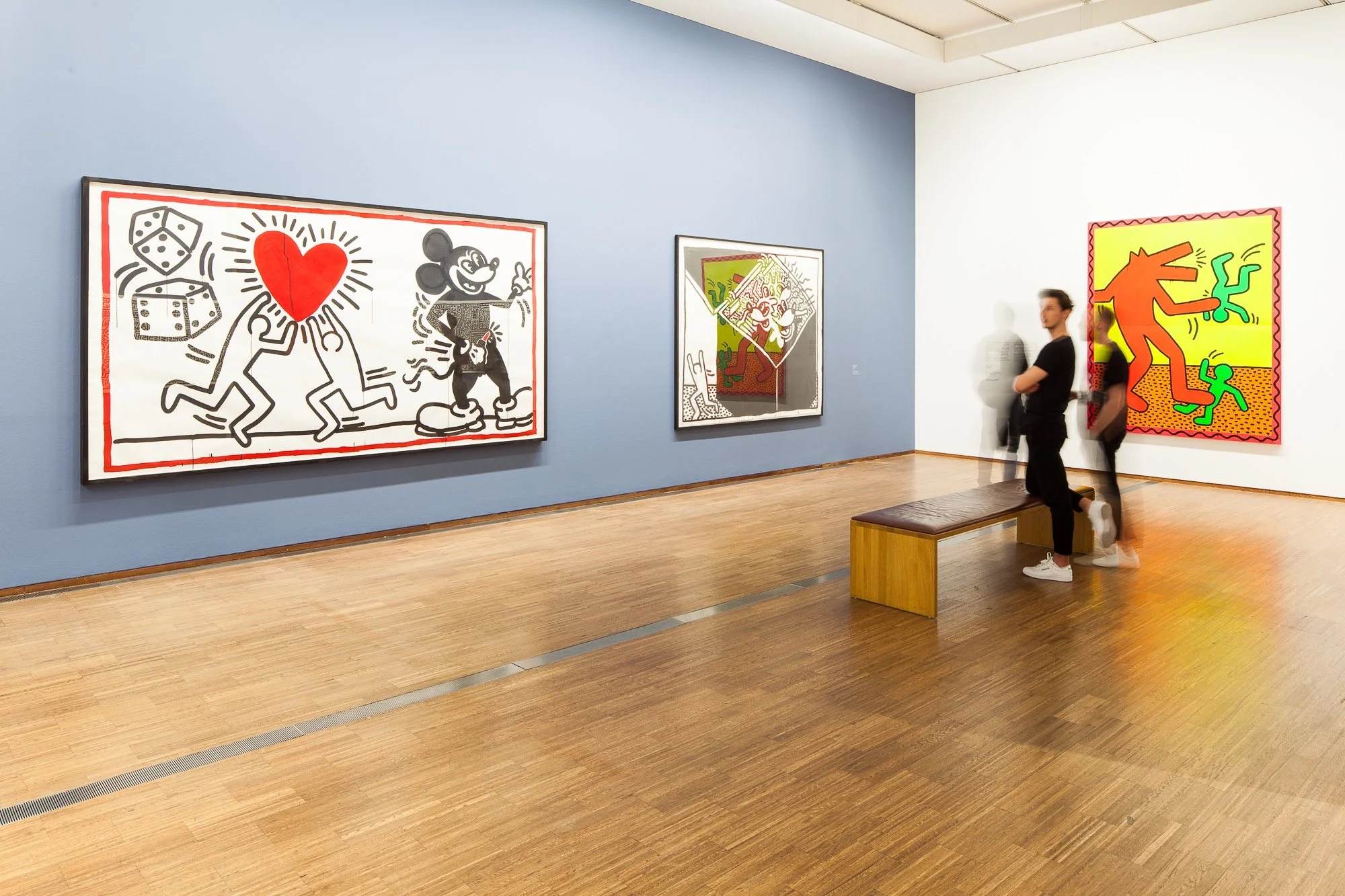
Exhibit at the Brant Foundation
Double-click to edit...
