The Architecture of Faith: Inside the Fashion - Faith Symposium at Parsons

Justyna Kedra & Shireen Soliman
On February 14th, the Arnold and Sheila Aronson Gallery at Parsons the New School became a site of radical inquiry. The Fashion - Faith: Rituals and Dialogues symposium was not just a collection of lectures. It was a democratized space designed to interrogate how our most personal rituals intersect with the global industry of fashion.
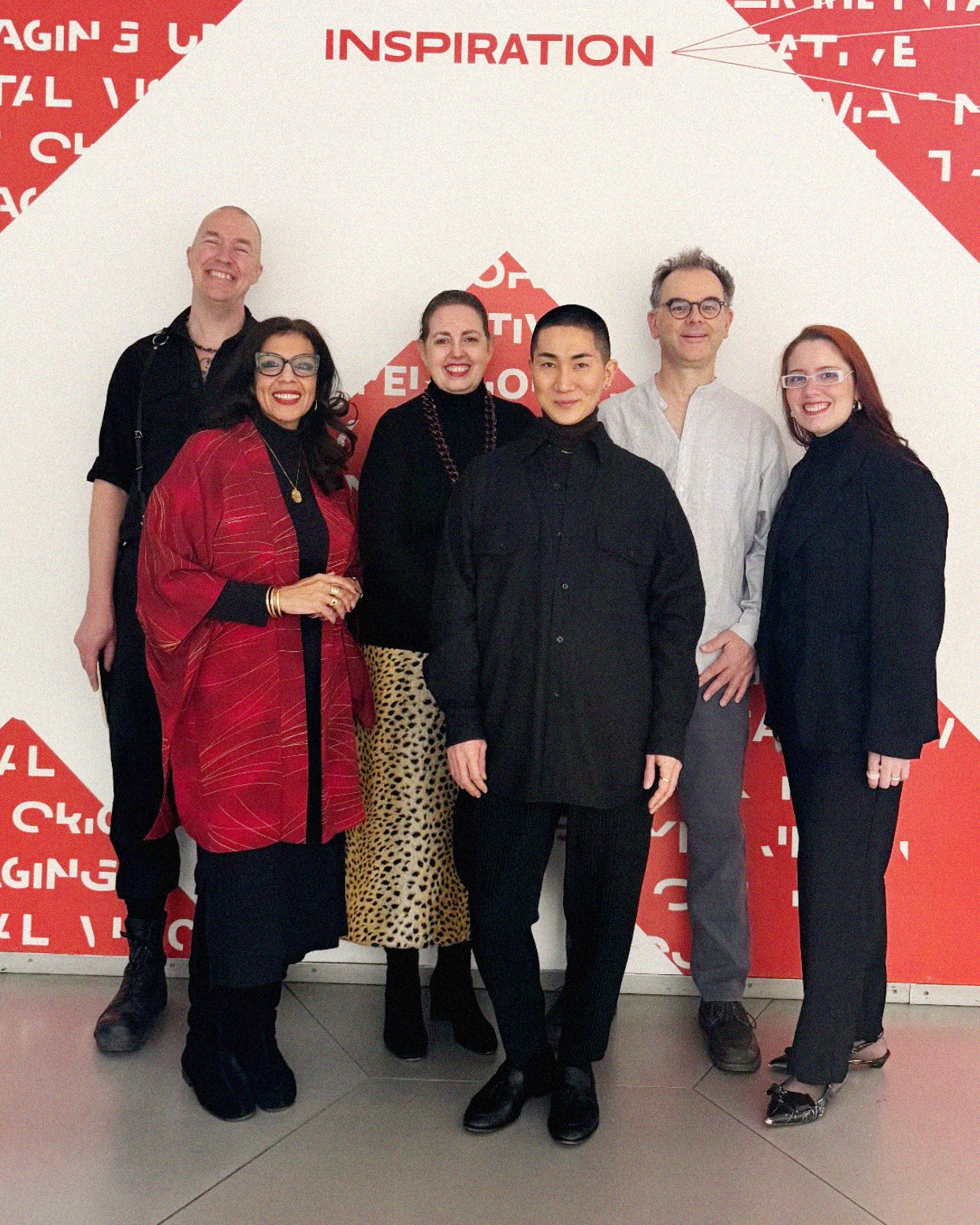
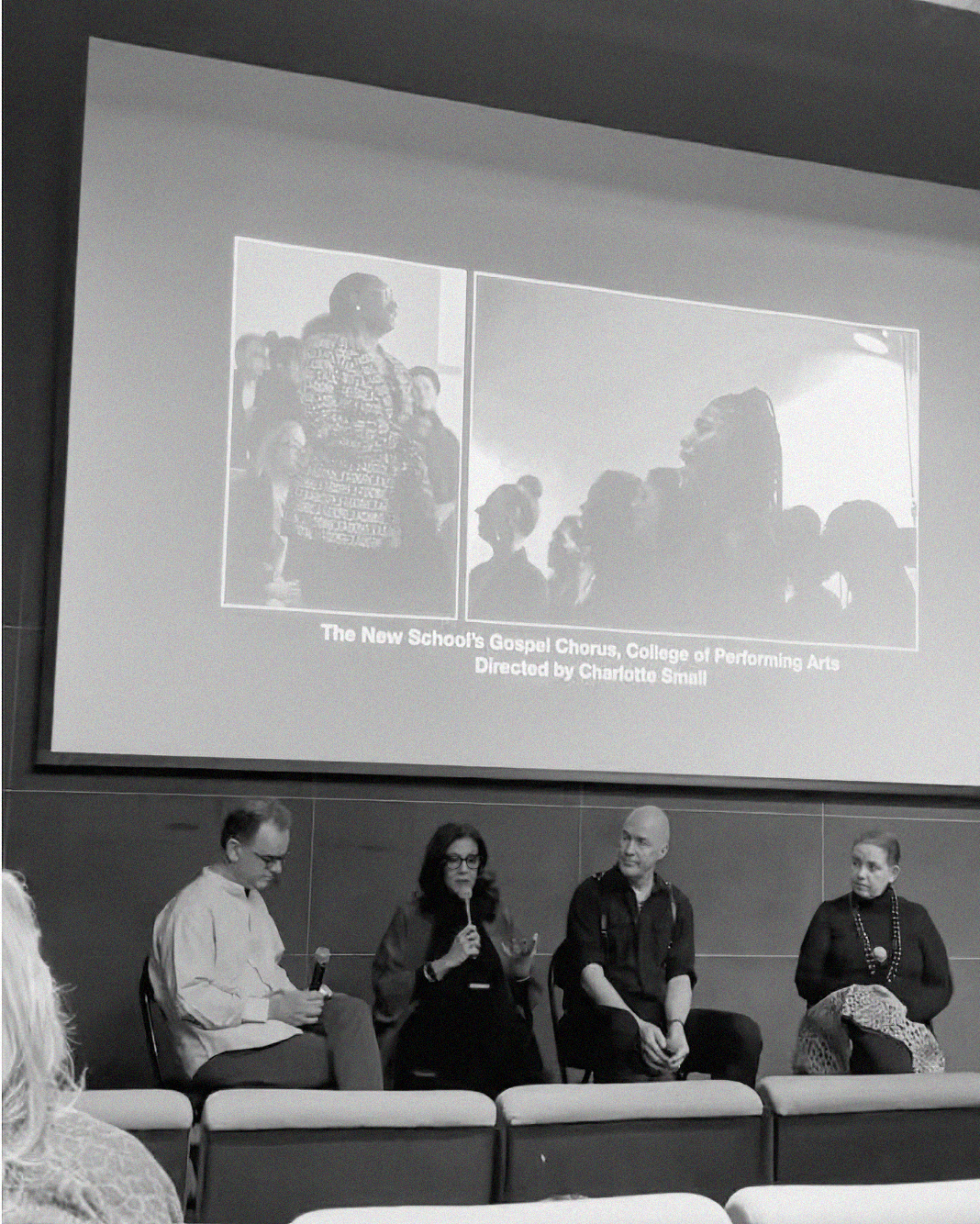
Led by Associate Professor Fiona Dieffenbacher and a dedicated steering committee including Mark Larrimore, Romana Mirza, Melissa Rosales Parra, Shireen Soliman, and Otto von Busch, the event built upon years of scholarship and interdisciplinary collaboration.
The symposium asked three fundamental questions that apply to every human being on the planet:
We all wear clothing.
We all have rituals.
We all are confronted with life’s biggest questions.
These universal truths served as the framework for a day of dialogue that brought together artists like Patrick Boylan and John Brendan Guinan, along with entrepreneurs such as Kahindo Mateene and Korina Emmerich. The goal was simple yet profound: to understand how spiritual practice can generate integrated approaches to fashion and identity.
Shireen Soliman and the Muslim-American Narrative
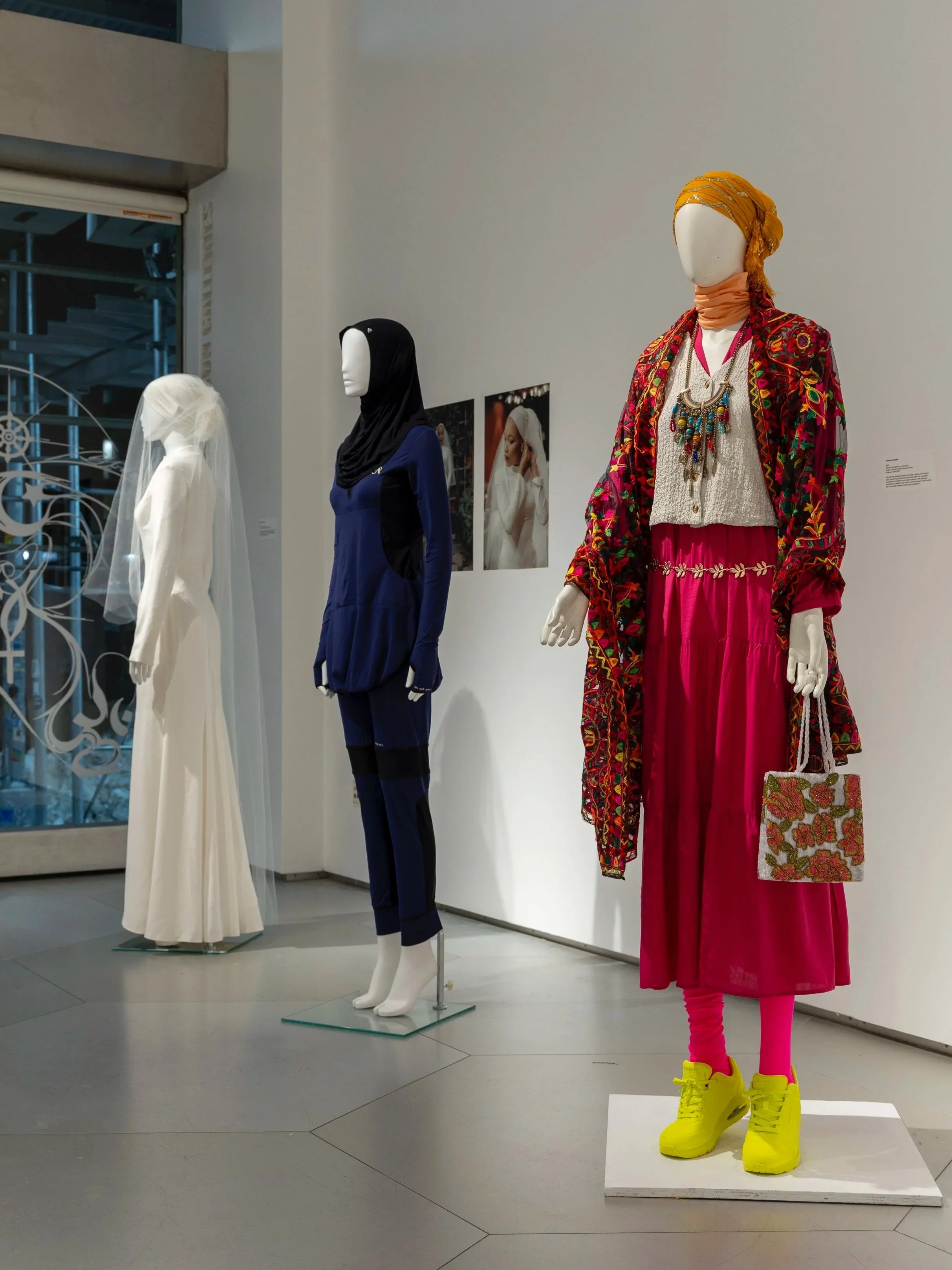
While the symposium covered a wide breadth of spiritual worldviews, Professor Shireen Soliman’s lecture, "Muslim Fashion / Fashion, Identity, and the Muslim-American Narrative," offered a critical look at the current state of representation.
Soliman began her talk by challenging the audience to define "Muslim fashion." The room responded with words like elegance, modesty, texture, and expression. However, she quickly contrasted these authentic descriptors with the "digital archive" of our society.
She presented a sobering visual: a Google search for "Muslim woman" from 2014 versus 2025. Despite a decade of supposed progress, the digital imagery remains 10% of the actual story. It is a "stoppage" of information that ignores the rich, diverse reality of millions of women.
Dismantling the Reductive Narrative
Soliman’s research dives into the "colonized mind" and the way Western systems try to define liberation for Muslim bodies. She cited historical examples from Egypt and Algeria where the removal of the veil was used as a tool of colonial control.
Today, that control has shifted to the media and the law. Soliman highlighted the "Pioneer Tax" paid by figures like supermodel Halima Aden, who eventually left the industry because she refused to let her practice be adapted for a Eurocentric lens.
The lecture focused on the necessity of agency. Soliman explained that "Hijab" is not just a piece of fabric. It is a lifestyle and a way of navigating space. When the mainstream media or politicians try to simplify it, they strip away the complexity of the woman wearing it.
The Pedagogy of Empowerment
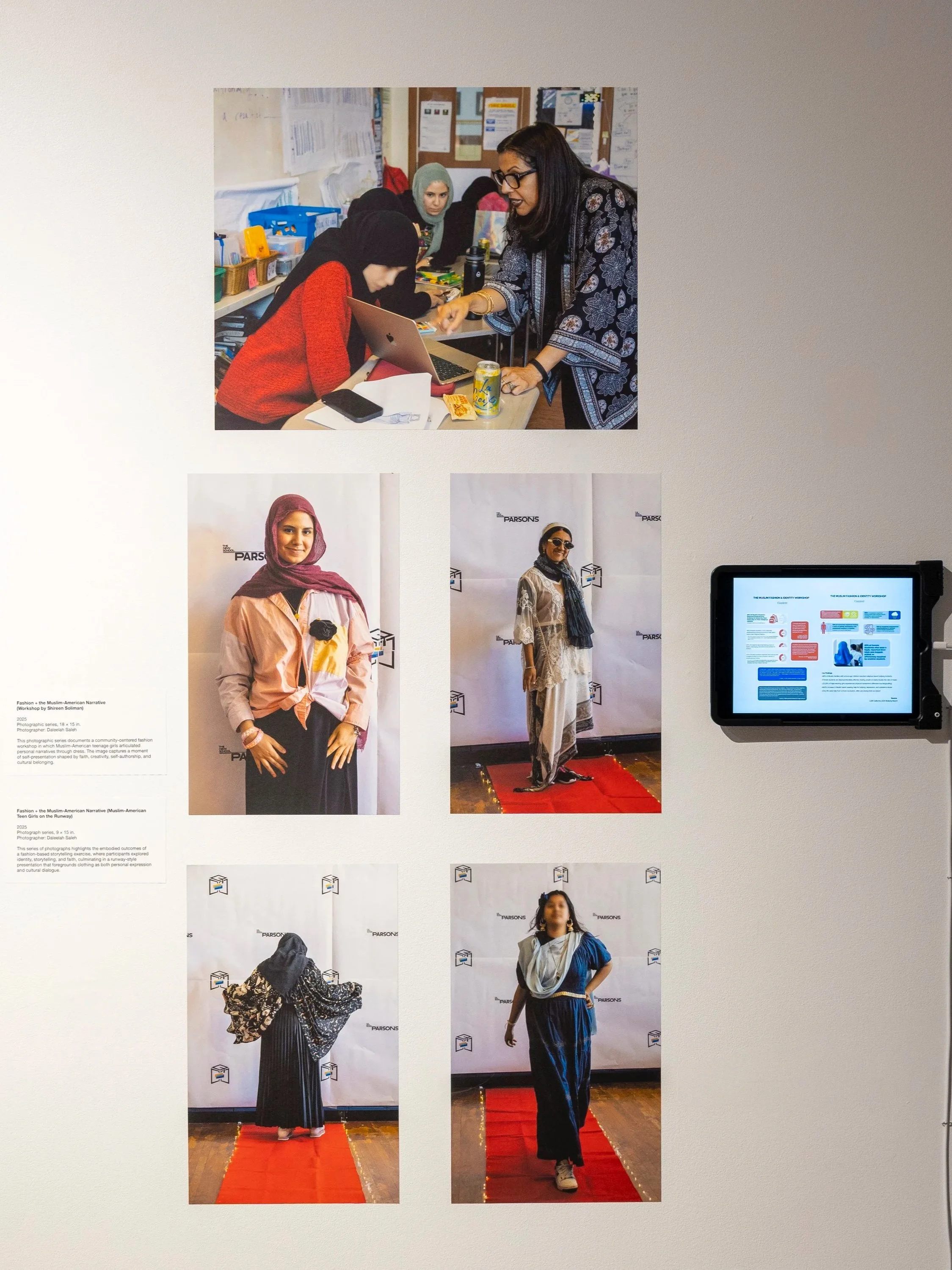
Perhaps the most impactful part of Soliman’s work is her direct engagement with youth. She discussed her workshops in Astoria, Queens, where she works with 16-year-olds to help them build their own "identity looks."
In a world where 25% of Muslim female students report their hijab being tugged or touched, Soliman provides a protective infrastructure. Through "identity collages" and digital storytelling, she helps these young women see themselves as designers of their own narratives.
She concluded with a powerful reminder that garments are a "second skin." They project our values and our politics before we ever speak. By teaching students to look inward and embrace their heritage, Soliman is ensuring that the next generation of designers doesn't just follow the rules—they change them.