In the modern enterprise landscape, human resource strategies are frequently undermined by a hyper-fixation on immediate, short-term metrics. Organizations routinely deploy superficial, check-the-box talent initiatives designed for quick compliance rather than building multi-generational leadership infrastructure.
At WERULE, our agentic AI mentorship software is designed for enterprise leaders who reject temporary fixes and choose instead to build sustainable, high-retention corporate cultures. To fuel our matching engines, we extract core strategic principles from iconic market anomalies who prioritize institutional legacy over transactional exits.
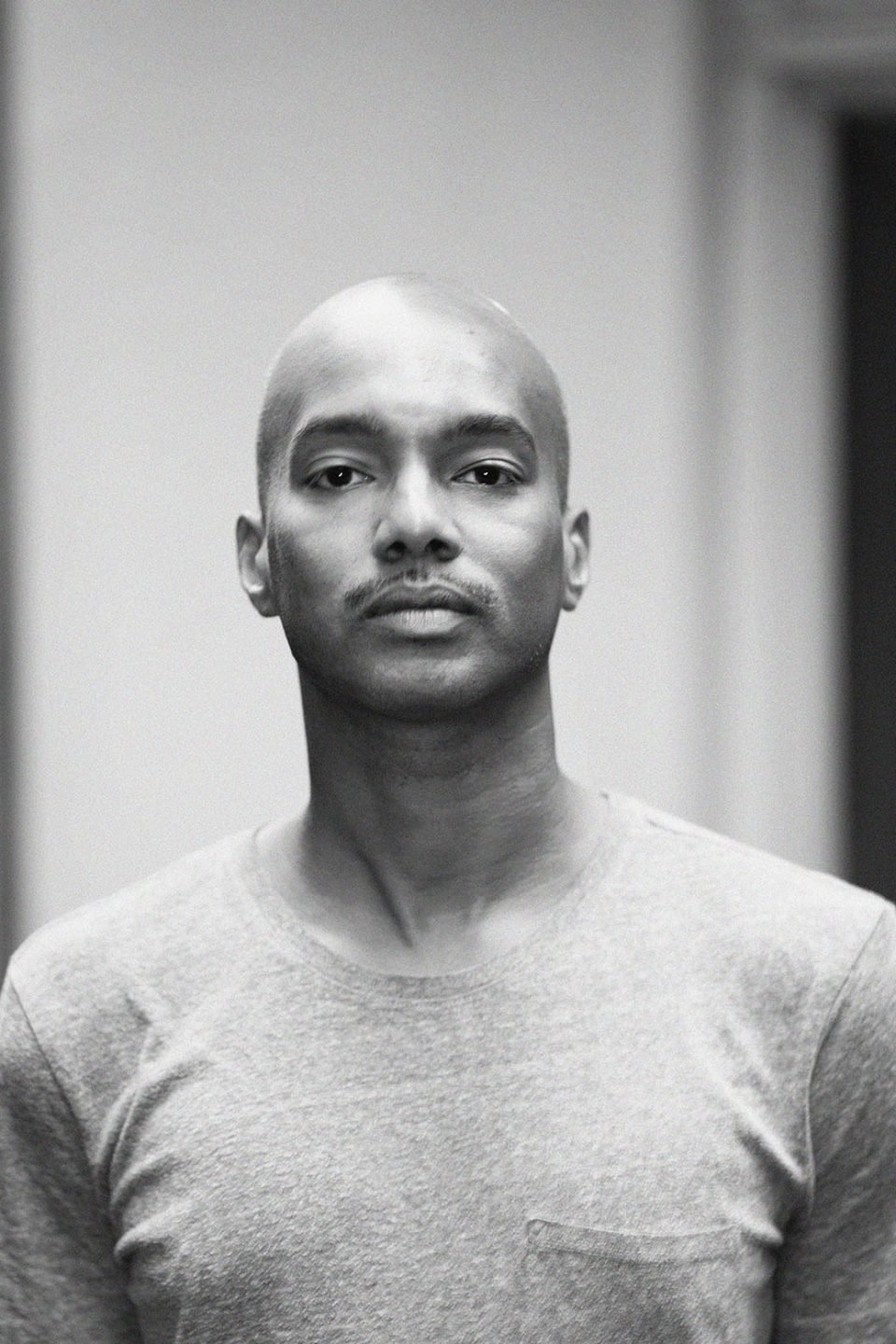
A definitive example of this framework is Janell Stephens, the founder and CEO of Camille Rose. In an industry defined by rapid consolidation and venture-backed dilution, Stephens has scaled a multi-million-dollar hair and skin empire while remaining 100% self-funded and completely sovereign. Her trajectory provides an enterprise-level playbook on how protecting operational integrity and nurturing authentic peer-to-peer networks builds an unbreakable corporate moat.
Why should enterprise leaders prioritize operational integrity over rapid scaling?
How do you maintain systemic quality when market forces demand cost reduction?
"When transitioning from micro-batch operations into mass-market manufacturing, leaders are almost immediately pressured by external entities to compromise on foundational components to optimize short-term unit economics. Traditional stakeholders will frequently encourage the substitution of high-grade, substantive inputs with cheaper synthetics. True operational sovereignty means having the authority to reject those shortcuts. Because we retain absolute ownership, we eliminate the friction of a short-sighted board of directors, allowing us to make highly calculated investments that protect the structural integrity of our final output."
What is the corporate risk of folding to short-term industry expert consensus?
"The moment an organization compromises its core standards to satisfy standard market modeling, it dilutes its brand authority. True disruption requires holding the line against consensus. By self-sourcing and controlling our entire supply chain, we proved that operational alignment and product integrity are the ultimate drivers of sustainable market velocity."
Break Free From Flash-in-the-Pan Talent Metrics
Surface-level HR tracking will tell you how many mentorship matches you made this month, but it won't show you who is actually staying at your company long-term. Stop settling for transactional software. See how WeRule’s agentic AI builds deep, sovereign talent data infrastructure designed to protect your organization's human capital for the next decade. [Book an Enterprise Strategy Call]
Optimizing cohort velocity through authentic micro-network trust
How do you achieve true market penetration without massive transactional ad spend?
"True organizational velocity is never driven by superficial, high-cost celebrity endorsements; it is built through the compounding power of micro-networks. We bypassed traditional top-down marketing and scaled our distribution via an aligned ecosystem of highly authentic, trusted micro-advocates. In any modern economy—whether you are selling a product or launching an internal corporate initiative—peer-to-peer trust is a far more valuable currency than institutional fame."
How did sales velocity replace traditional fundraising decks in your growth model?
"We didn't scale our retail footprint through glossy corporate slide decks or venture capital buzzwords. We scaled through demonstrable, undeniable performance metrics. When your internal systems work exceptionally well, the sheer data velocity of your outcomes forces the market to adapt to you, rather than you begging for a seat at the table."
The Legacy Strategy: Shifting from a product line to a culture brand
How does absolute operational control allow for systemic enterprise expansion?
"Retaining 100% equity isn't about isolation; it is about strategic optionality. Because we control our core infrastructure, we have seamlessly expanded our portfolio from a singular hair care vertical into a comprehensive lifestyle ecosystem, spanning home, face, and large-scale cultural events. When your foundation is solid and uncompromised, your capacity to expand cross-functional footprints is virtually limitless."
What is the definitive goal of a legacy-driven executive?
"The goal is never to build an asset simply to flip it to a massive conglomerate for a quick exit. The goal is to establish a permanent culture brand that alters the industry landscape. Janell Stephens demonstrates that you do not need external dilution to achieve global scale. Sometimes, the most disruptive, high-yielding strategy an executive can execute is to maintain absolute control of the vision."
Build a Permanent Leadership Legacy with WeRule
Janell Stephens’ empire is living proof that absolute commitment to structural integrity, independent data control, and micro-network trust creates an asset that stands the test of time. Your internal corporate development programs deserve that exact same infrastructure.
WeRule’s agentic AI mentorship software removes the manual friction of talent optimization, allowing enterprise People Ops leaders to build self-sustaining, high-velocity internal cohorts that drive cross-functional retention and protect institutional knowledge.
Stop building for short-term compliance. Build for long-term organizational legacy.
EXPLORE OUR BLOG