The Koreeda Method: the Best Leaders Create Peers Not Followers
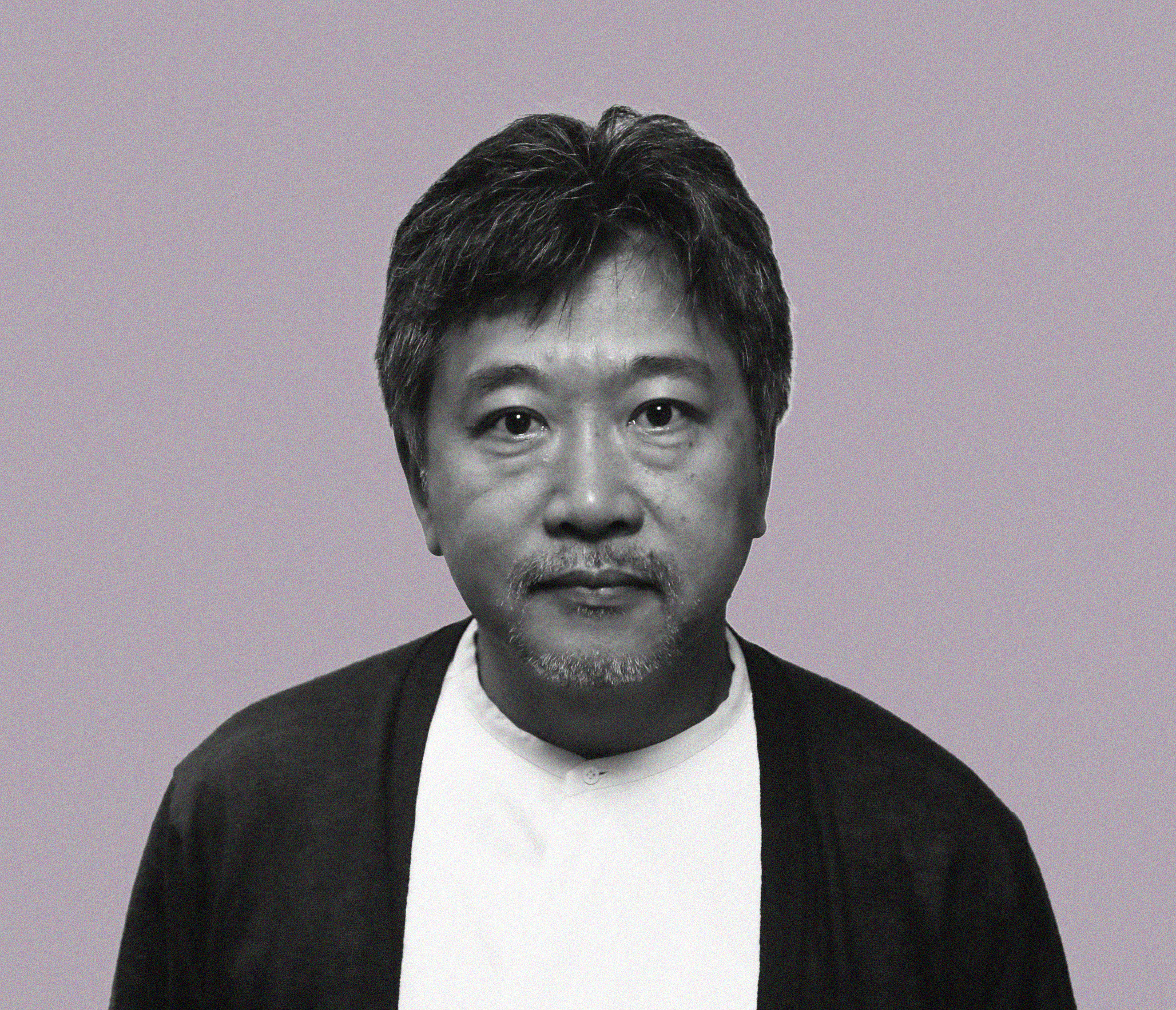
In the film industry, the "Auteur" is usually a dictator. We are trained to worship the director with the megaphone, the singular genius who imposes their will on the cast and crew to achieve a vision.
Hirokazu Koreeda, the Palme d'Or-winning Japanese director of Shoplifters and Nobody Knows, represents the exact opposite of this archetype.
His films are quiet, observant, and deeply human. But his leadership style is even more radical. Koreeda has quietly built one of the most effective mentorship engines in cinema, not by shouting orders, but by building a "Chosen Family" of creators.
Through his production collective, Bun-buku, Koreeda has created a blueprint for modern mentorship. He proves that the highest form of leadership isn't creating a legacy of followers who look like you. It is creating a generation of peers who are free to surpass you.
The "Bun-buku" Model: The Anti-Studio
Most production companies are hierarchical machines. Koreeda built Bun-buku (named after a mythical shape-shifting raccoon dog) to be an incubator.
It operates on a flat structure. Young filmmakers enter not just as "assistants" who fetch coffee, but as creative collaborators who are expected to contribute.
The Mentor Takeaway: Structure dictates culture. If you build a hierarchy, you will get compliance. If you build a collective, you will get innovation. Koreeda treats his mentees as "fellow filmmakers" from day one, which accelerates their growth faster than any traditional internship could.
Mentorship by Observation (The Silent Teacher)
Koreeda is famous for his directing style with children. He doesn't give them scripts. He whispers the situation to them and lets them react naturally.
He applies this same "invisible hand" to his mentees. Filmmaker Miwa Nishikawa (Under the Open Sky) started as a member of Koreeda's team. She notes that Koreeda never sat her down to give a lecture on "how to direct." Instead, he allowed her to observe his decision-making process in real-time. He let her see the mistakes, the pivots, and the quiet moments of doubt.
The Mentor Takeaway: Stop giving speeches. "Performative Mentorship" (giving advice) is less effective than "Transparent Mentorship" (showing your work). Let your team see how you solve problems. Access is the greatest teacher.
He Doesn't Want Clones
The trap of many great leaders is that they accidentally mentor people to become "mini-me" versions of themselves.
Koreeda’s mentees make films that feel distinct. They share a certain humanism, but they have their own visual language. Nishikawa’s films are sharper and more cynical than Koreeda’s gentle empathy. And he celebrates this. He champions their work even when it contradicts his own style.
The Mentor Takeaway: A bad mentor wants validation. A good mentor wants variation. If your mentee sounds exactly like you, you haven't taught them how to think. You have only taught them how to copy.
The Chosen Family
Koreeda’s films (like Shoplifters and Broker) are obsessed with the idea of the "Chosen Family"—groups of broken people who find each other and decide to bond, defying traditional bloodlines.
Bun-buku is the real-world application of this obsession. He has built a business that functions like a chosen family. It is a place of safety where risks can be taken.
In an industry defined by transactional relationships, Koreeda plays the long game. He invests in people not for what they can do for his next movie, but for the movies they will make ten years from now.
The Legacy of Listening
The loud director commands the room. The quiet director captures the truth.
Hirokazu Koreeda reminds us that you don't need to be the loudest voice to be the most powerful influence. By listening to his team, empowering his "family," and stepping back to let others shine, he has secured a legacy far greater than his own filmography.
He didn't just make great movies. He made great filmmakers.
Frequently Asked Questions
Who is Hirokazu Koreeda? Hirokazu Koreeda is an acclaimed Japanese film director, screenwriter, and editor. He is best known for his humanistic dramas such as Shoplifters (which won the Palme d'Or at Cannes in 2018), Nobody Knows, and After Life.
What is Bun-buku? Bun-buku is a production company and creative collective founded by Hirokazu Koreeda. It serves as a hub for his own productions but also acts as an incubator for a new generation of Japanese filmmakers, fostering a collaborative and non-hierarchical environment.
Who has Koreeda mentored? His most famous mentee is Miwa Nishikawa, a celebrated director in her own right known for films like Sway and Under the Open Sky. Other talents from the Bun-buku collective include Nanako Hirose and Mami Sunada.
What is the "Koreeda style" of leadership? It is characterized by humility, observation, and collaboration. Rather than imposing a strict vision, he encourages naturalism and input from his team, creating a "flat" hierarchy where younger creators are empowered to find their own voices.
MORE FROM OUR BLOg: