
The Anti-Innovation: Why Richard Christiansen Bet Everything on Slowness
The Origin: A Crisis of Soul
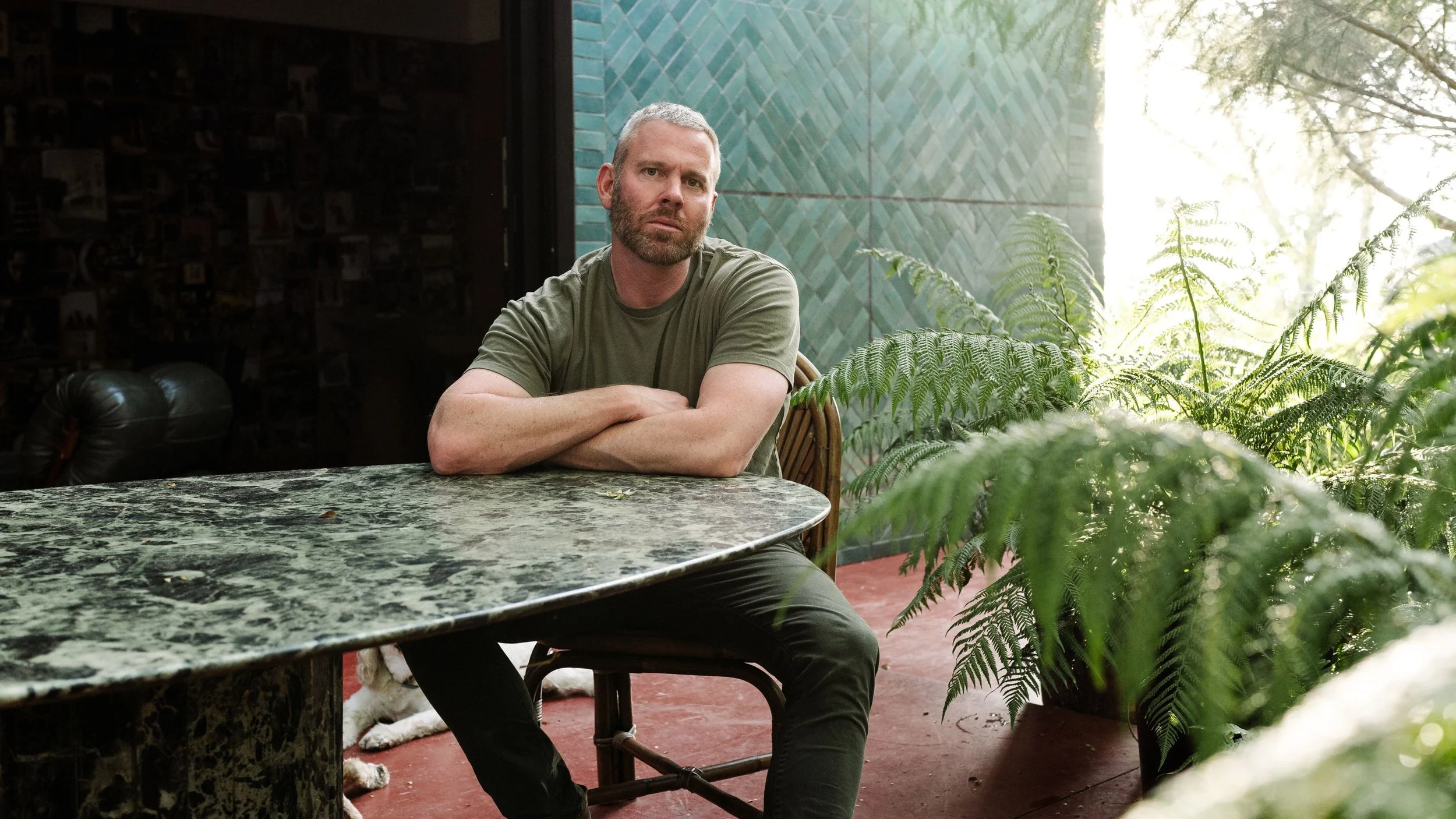
Richard Christiansen did not set out to build a beauty empire. He set out to save his own soul.
For 16 years, the Australian-born creative director ran a high-powered agency in New York City. He spent his days building glossy campaigns for global luxury brands. But privately, he felt burnt out. He was disconnected and glued to a screen.
The turning point came during the global lockdown. Isolated at his home in the hills of Los Angeles, a lush property known as Flamingo Estate, Christiansen watched his agency clients pull back. At the same time, he met a local farmer who was about to lose her land because restaurants were closed.
Christiansen made a pivot that defied logic. He became a vegetable salesman.
"There was a real joy to this work, which I hadn’t felt for a long time," he shared. "There was a cause and effect, like: ‘We’re delivering something that people really need and love.’"
He started selling vegetable boxes from his driveway. Weekend by weekend, sales doubled. The accidental business grew from a few boxes to a network of over 120 farms.
The Anti-Innovation Philosophy
In a world obsessed with biotech, AI, and speed, Flamingo Estate is running in the opposite direction.
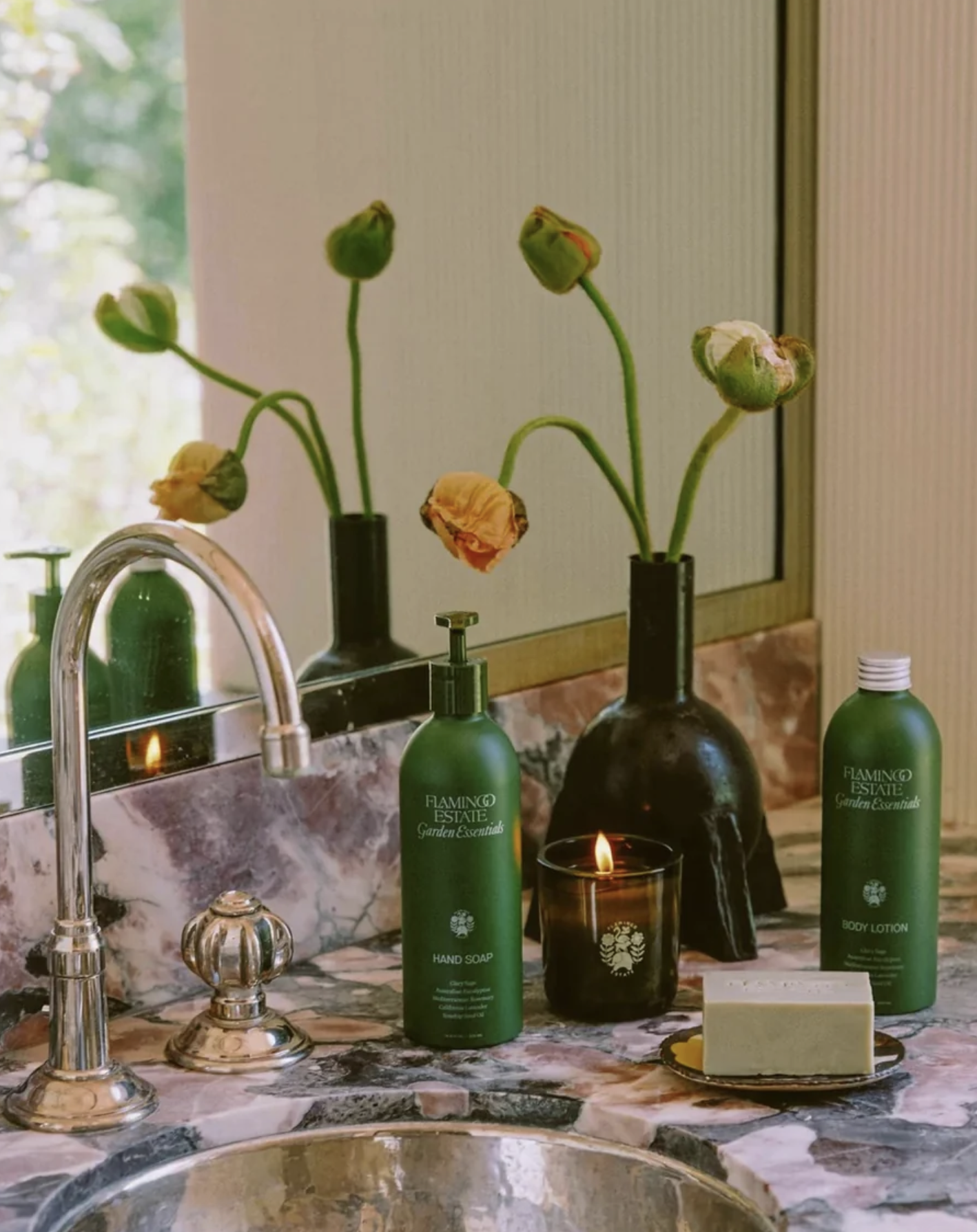
The estate itself is a manifesto for this philosophy. It is Christiansen’s actual home, not just a brand headquarters. Inside, there are strict rules: No television. No microwave.
These omissions are strategic. They force engagement. When you cannot heat a meal in thirty seconds, you have to touch the ingredients. You have to wait. You have to engage with the physical world.
"Please don't come to us for innovation," Christiansen says. "We're just making things the old fashioned way, the way we all forgot. And maybe that is the most radical thing to do right now."
This stance extends to the products. Instead of standardized perfection, the brand embraces Radical Inconsistency. If the sage harvest had more rain, the soap smells different. Most brands view this variance as a defect. Christiansen views it as a vintage. He realized that predictability bored him and that true luxury is alive.
The LVMH Lesson: Scaling Scarcity
How do you scale a business that relies on Mother Nature?
Christiansen received a critical piece of advice from an executive at LVMH. When he approached the luxury giant for investment, they declined but offered a profound insight.
They told him that he was doing something luxury brands were hungry to do. They explained that scarcity is the luxury.
Massive brands spend billions trying to manufacture exclusivity. Flamingo Estate had it naturally. A lavender farm can only produce so much oil. A tomato harvest only lasts a few weeks.
Christiansen stopped apologizing for running out of stock. He started celebrating it. "We’ve got 400 bottles of this thing. Take it or leave it. We’re not making more," became the new strategy. He realized he wasn't just selling soap; he was selling the scarcity of the season.
The Muse: Jane Goodall and the Tomato
Every founder has a north star. For Christiansen, it is Jane Goodall.
Her book, Seeds of Hope, was the catalyst that made him reconsider his desk job. It taught him that we are not separate from the green world but part of it. Years later, Goodall visited the estate, creating a full-circle moment that solidified the brand's mission to "plant seeds of hope."
This reverence for nature shows up in his specific obsessions. Christiansen openly admits, "I worship the Tomato."
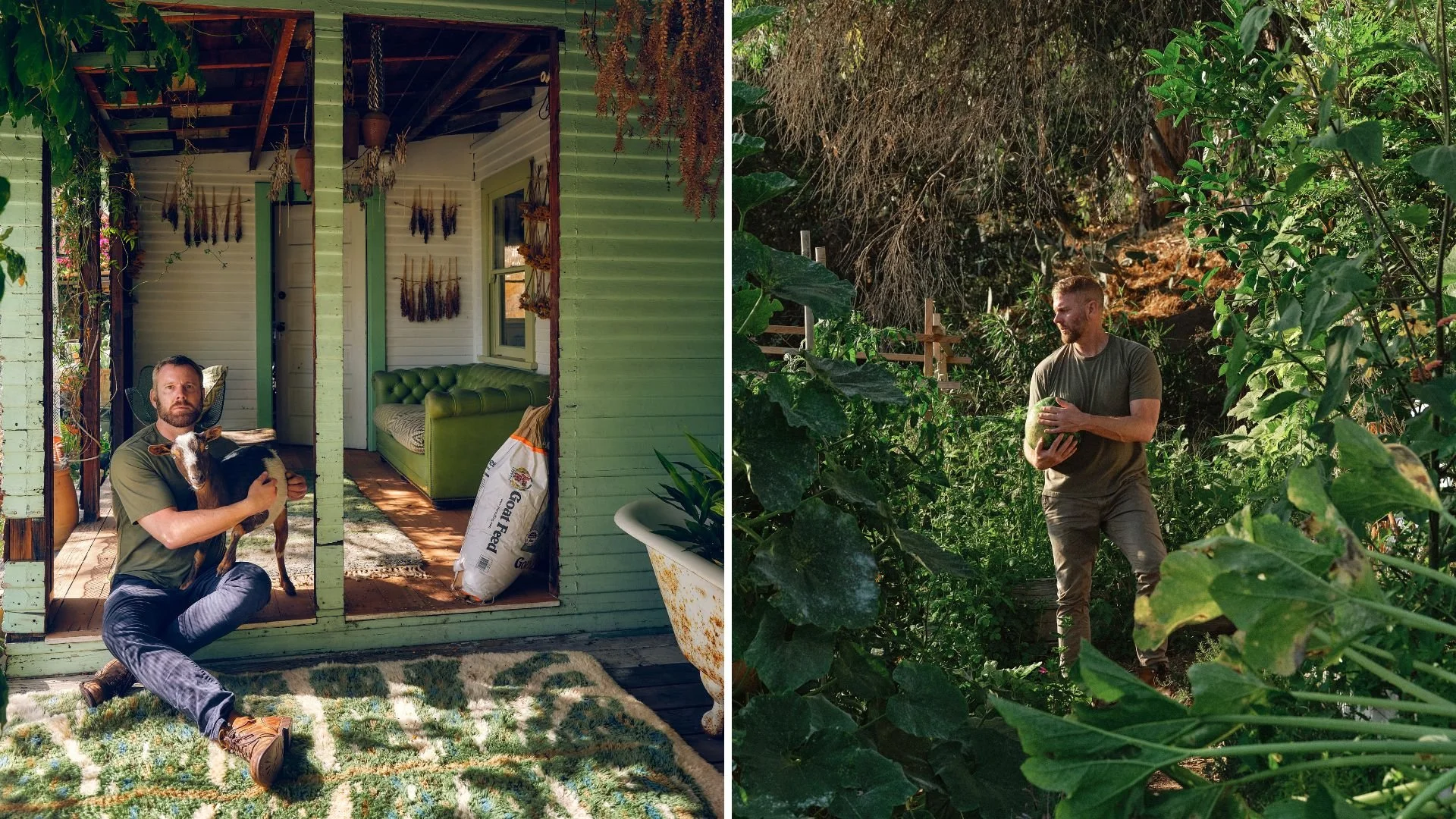
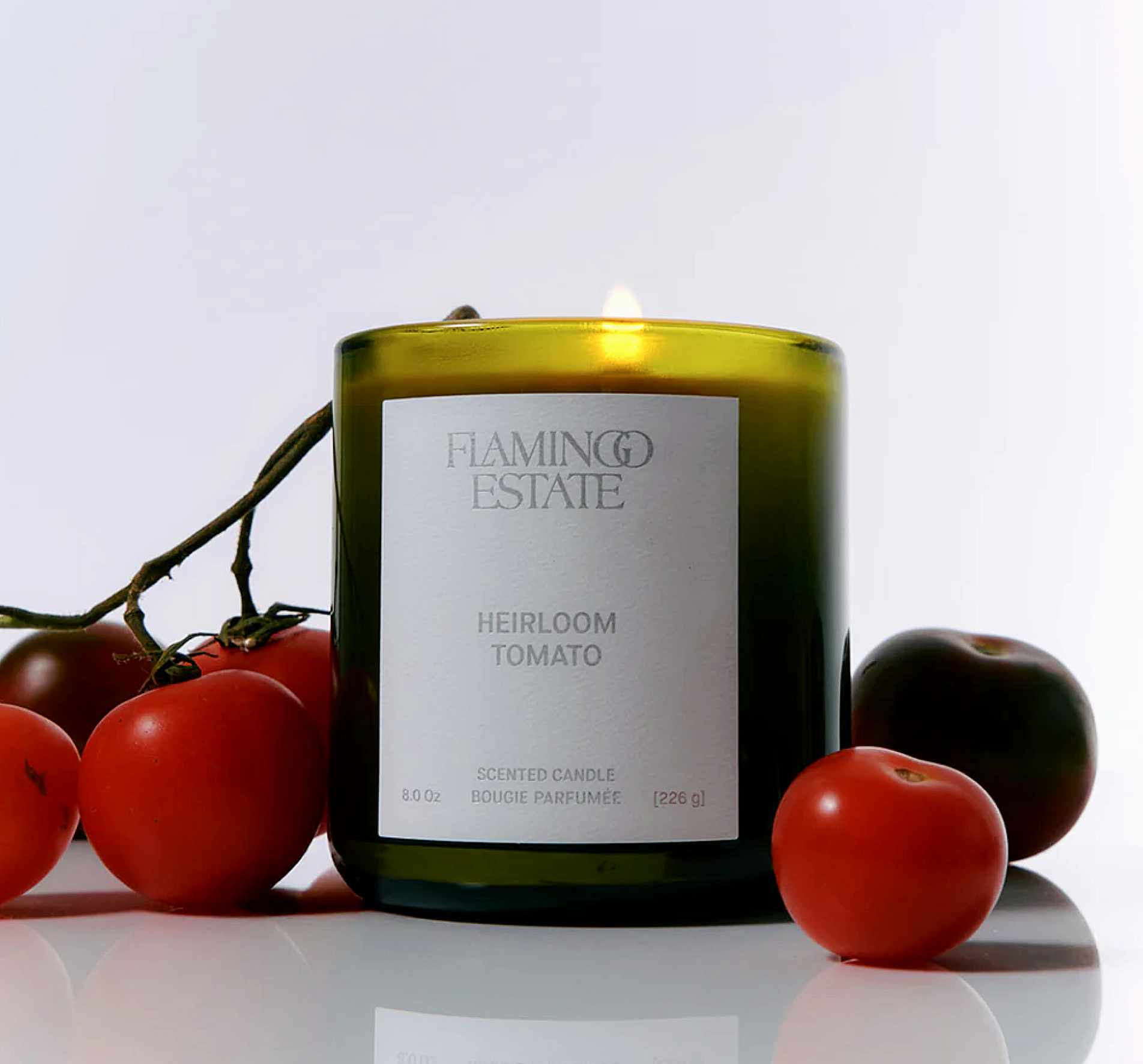
His favorite spot on the estate is the porch of the goat shed in summer, eating a sun-warmed Roma Heirloom tomato. This obsession led to the brand’s #1 best-selling product: the Roma Heirloom Tomato Candle. It captures the intoxicating scent of tomato vines in July, a scent that transports people out of their offices and into the garden.
Putting Culture into Horticulture
Flamingo Estate is not just a farm. It is a collision of Hollywood and Horticulture.
Christiansen leverages his creative background to make sustainability sexy. He knows that people do not engage with sustainability messaging if the product isn't beautiful.
"We need to build a brand that’s just beautiful," he explains. "We need to trick people into spending the right way."
By collaborating with cultural icons like LeBron James and Julianne Moore, he creates a cool factor that draws people in. Once they are in the door, they fall in love with the mission. He calls this putting culture into horticulture.
The Future is Slow
Today, Flamingo Estate works with over 150 farms. They harvest salt from Big Sur, press olive oil from ancient trees, and keep bees for honey.
The business has grown, but the soul remains rooted in the soil. Christiansen still writes the copy. He still tests the products in his bathhouse. He still walks the garden every day for inspiration.
His advice to founders? Invest in pleasure.
"We want to invest in pleasure, for ourselves and our clients and friends, because we think it’s a path to radical change and cataclysmic beauty."
MORE FROM OUR BLOg:


Double-click to edit...
