
Data, Decisions, and the Future of Power: A Morning With UN Women
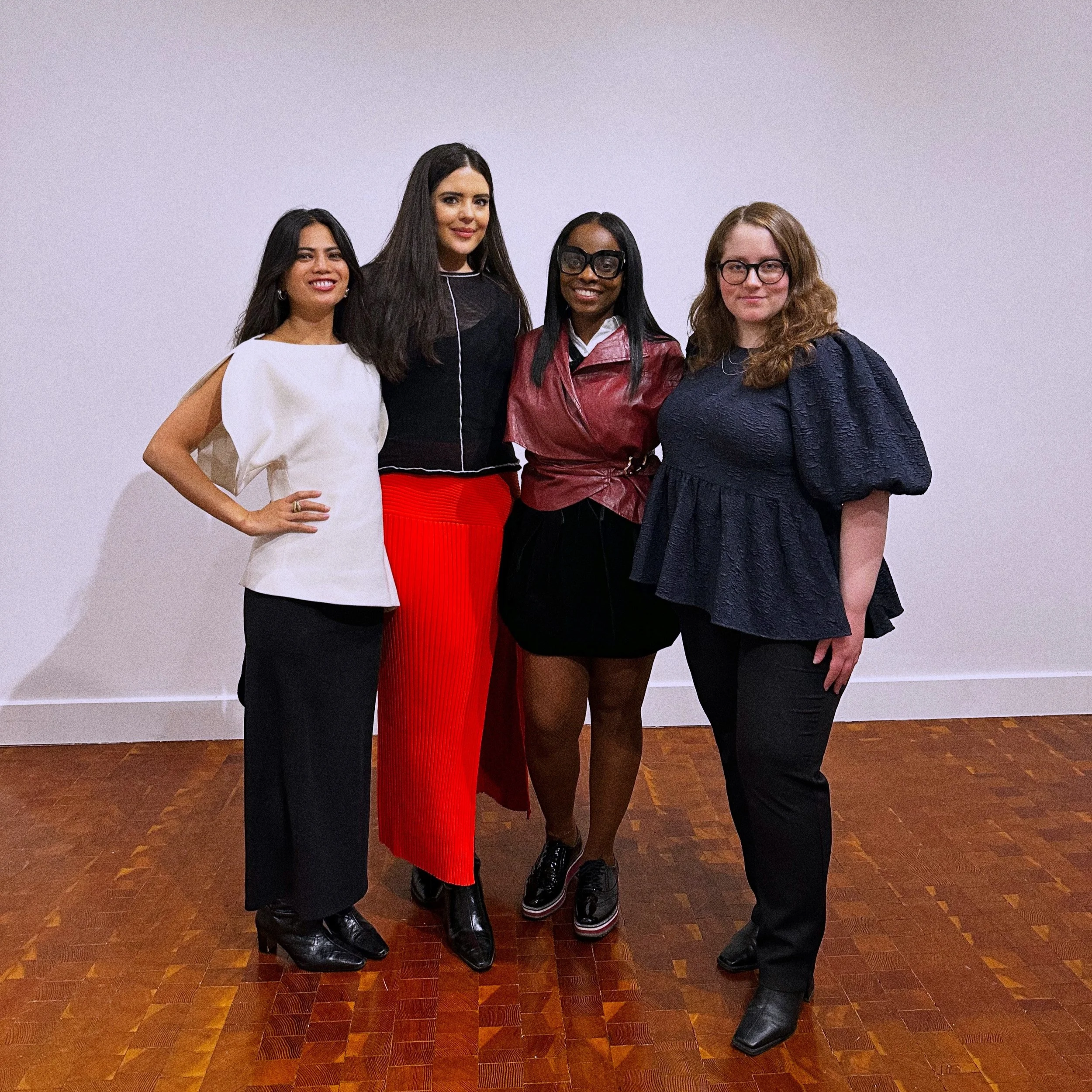
NEW YORK — When Justyna Kedra and Camille Jalandoni, co-founders of WERULE, took their seats at Scandinavia House last Thursday, the atmosphere was one of high-stakes urgency. Invited as attendees to the briefing “Perception & Policy: What the Latest Data Reveals About Women in Leadership,” the founders joined a global vanguard of policy architects and activists to examine a sobering reality: despite an era of unprecedented data collection, the path to leadership for women remains historically obstructed.
For the WERULE founders, the morning was more than a professional briefing; it was a profound source of inspiration that validated their mission to empower women to attain and retain power.
The Architecture of the Index
The event, held during the 70th session of the Commission on the Status of Women (CSW70), was co-hosted by a formidable alliance including Reykjavik Global, the Bill & Melinda Gates Foundation, the World Bank, and the OECD Development Centre. At the center of the discussion was the launch of the latest Reykjavik Index for Leadership, an evidence-based tool that measures societal perceptions of men and women’s suitability for leadership.
The morning’s analysis placed a particular emphasis on findings from Kenya and Nigeria, viewed alongside the World Bank’s Women, Business and the Law report and the OECD’s Social Institutions and Gender Index (SIGI).
Voices from the Vanguard
The panel, moderated by Yasmeen Hassan, former Global Executive Director of Equality Now, moved quickly from clinical data to the raw realities of political and social power. Hassan issued a radical call for seriousness regarding the ballot, noting that "whatever is going to come from the top down to the bottom is determined by who you put in power".
The conversation featured insights from leaders across the globe:
Atifete Jahjaga, the first female president of Kosovo, detailed how she used the "moral authority" of her office to establish the Jahjaga Foundation, which now focuses on women’s financial empowerment and reconciliation efforts.
İlayda Eskitaşçıoğlu, a human rights lawyer and UN Young Leader, used children’s building rings to illustrate the necessity of "coordination protocols". She argued that without a connected chain between police, prosecutors, and NGOs, women will continue to fall through the gaps of the justice system.
Shantel Marekera Chakara, an attorney at the World Bank, presented a stark reminder of the work ahead: at the current pace of reform, it will take 300 years to reach global pay parity.
Shola Mos-Shogbamimu, founder of the Women in Leadership Publication, urged a departure from "conventional" routes to power, telling the audience to "make it your business to make good trouble every single day".
A Vision for the UN and Beyond
The morning’s emotional peak arrived with a contribution from Sima Bahous, Executive Director of UN Women. After reflecting on the day's research, Bahous shared a specific, historic hope: to finally see a woman appointed as the next Secretary General of the United Nations.
For Justyna Kedra and Camille Jalandoni, this vision for the pinnacle of global governance served as a powerful bookend to the event. The WERULE co-founders left the session deeply inspired by the panel’s refusal to accept the current 300-year trajectory.
As the discussion shifted to networking, the takeaway for WERULE was clear: while the data provides the map, it is the unconventional, relentless coordination of women—the "connected accountability" championed at Scandinavia House—that will ultimately accelerate the journey toward justice.
