Why Estée Lauder’s Old School Rules Win the Digital Age
As founders, we are drowning in data. We are obsessed with dashboards, analytics, conversion funnels, and AI-driven insights. We automate our emails, optimize our ad spend, and A/B test our landing pages into oblivion. We've built a "low-touch" world of scalable efficiency, but in the process, we've become dangerously disconnected from the one thing that actually matters: the human being on the other side of the screen.
What if the most revolutionary growth hack of 2025 isn't a new piece of software? What if it's a 75-year-old, analog strategy from a founder who built a global empire with her bare hands and an unshakeable belief in human connection?
We’re talking about Estée Lauder.
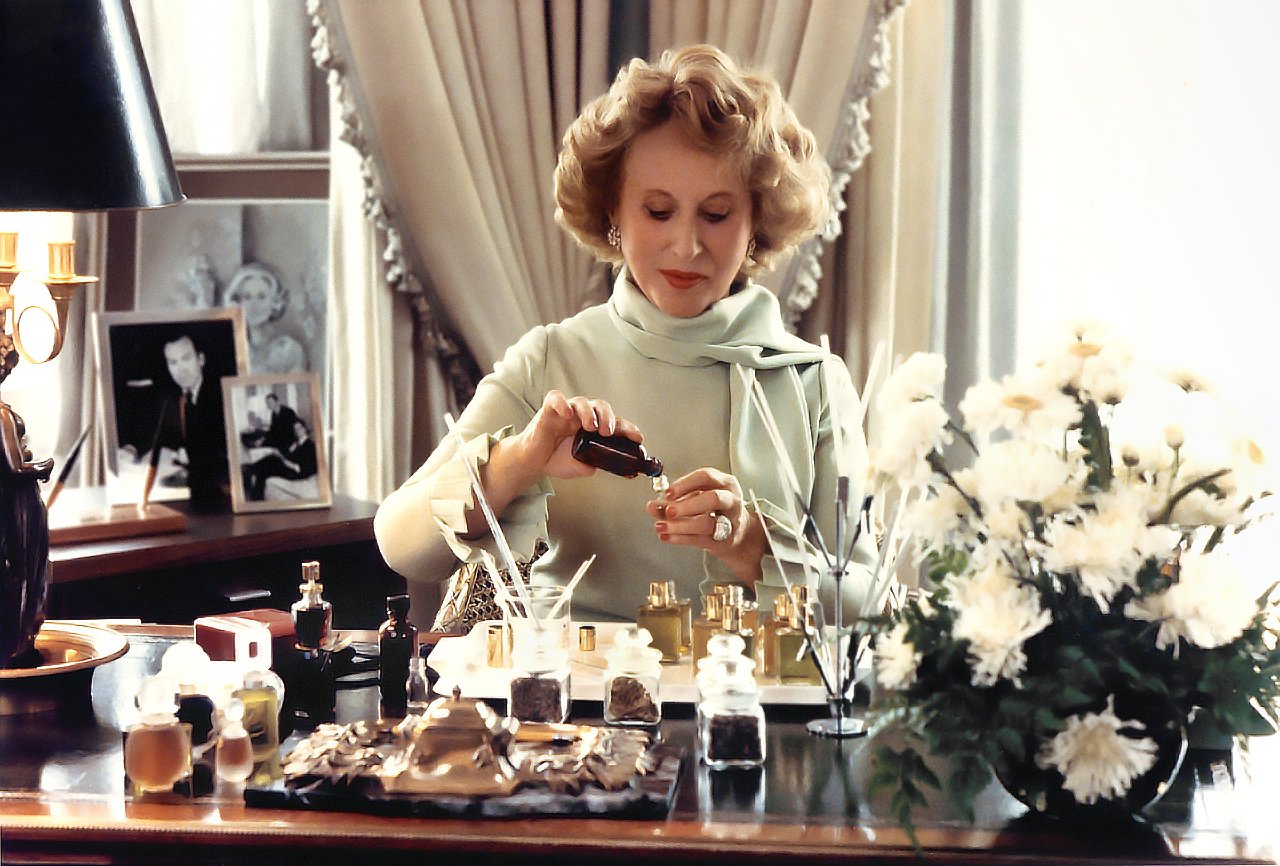
Before she was a corporation, she was a woman at a department store counter. She wasn't just a founder; she was the original "chief listening officer," a guerrilla researcher, and the godmother of community-led growth. Her "old-school" methods are not nostalgic. They are a timeless, counterintuitive, and urgently needed blueprint for any founder who wants to build a brand that lasts.
Lesson 1: "Manning the Counter" Was Live Customer Research
In the digital age, we send out surveys and watch heatmaps to understand our customers. Estée Lauder simply showed up.
She was legendary for "manning the counter" herself at department stores like Saks Fifth Avenue. She didn't just sell; she listened. She touched her customers' faces, asked about their lives, and heard their complaints, desires, and unfiltered feedback firsthand.
This wasn't just "good customer service." This was live, qualitative data collection at its most pure.
The Old Rule: "Never underestimate the customer. She is your best teacher."
The New Takeaway: Your analytics dashboard tells you what is happening (e.g., 60% of users drop off at checkout). Estée's method told her why (e.g., "The lid is too hard to open," or "I wish this came in a lighter shade"). Founders today hide behind their analytics. The real strategic advantage is found by getting in the trenches with your customers. Your DMs, your customer support tickets, and your community forums are the modern-day "department store counter." Get in there and listen.
Lesson 2: "Testing on Clients" Was the Original Beta Community
We are obsessed with "lean startup" methodology, MVPs (Minimum Viable Products), and "beta-testing." We build private Slack channels and complex funnels to gather product feedback.
Estée Lauder did it with a dab of cream on a customer's hand.
She was famous for testing new, unreleased formulations on her most loyal clients, right at the counter. She would get an instant, unfiltered, emotional reaction. She co-created her products with her community, not for them.
The Old Rule: "Touch your customer and you’re halfway there."
The New Takeaway: This was the original, high-touch beta test. She turned her customers into her R&D department. This builds a powerful, unbreakable loop of loyalty. Your super-users are dying to feel heard and to be part of your brand's story. Inviting them to co-create your next product or feature is the single best way to ensure you're building something people actually want.
Lesson 3: "The Gift with Purchase" Was a Viral Marketing Masterstroke
How do you build a luxury brand from scratch with no ad budget? You don't. You let your customers build it for you. Estée Lauder's genius was in understanding the psychology of reciprocity and viral marketing, decades before the internet.
Her two greatest innovations were the Free Sample and the Gift With Purchase. At a time when luxury was defined by scarcity, she operated from a mindset of radical generosity. She believed her product was so good, it was its own best sales tool.
The Old Rule: "Telephone, Telegraph, Tell-a-Woman."
The New Takeaway: This was the first "freemium" model. The "Gift with Purchase" wasn't a discount; it was a Trojan horse of immense value. It created a powerful psychological loop that made the customer feel seen, valued, and special. It gave them a story to tell. She engineered the most powerful viral loop of all: word-of-mouth. While we try to engineer a viral TikTok, Estée mastered the art of making a customer feel so delighted that they had to tell a friend.
The Future of Business is High-Touch
The lesson from Estée Lauder's playbook is profound. In an age of AI and automation, our greatest differentiator is not our technology; it's our humanity. The future of business will be won by the founders who, like Estée, have the courage to get out from behind their dashboards, listen with empathy, and build a real, human connection.
Technology is a tool. "The Touch" is the strategy.
Frequently Asked Questions
Who was Estée Lauder? Estée Lauder was a visionary American entrepreneur who co-founded her namesake cosmetics company. She built a global empire from a small, home-based business by pioneering a "high-touch" strategy of personal sales, customer education, and innovative marketing like the "Gift with Purchase."
What is a "high-touch" business strategy? A "high-touch" strategy is a business model that prioritizes deep, personal, and direct human connection with customers. It stands in contrast to "low-touch" or automated, digital-first models. It emphasizes building relationships, trust, and loyalty through personalized service and community.
How can an online business apply Estée Lauder's analog lessons?
"Manning the Counter" (Digital): Actively participate in your DMs, personally respond to customer emails, and host live Q&A sessions. Read every comment.
"Beta Community" (Digital): Create a private group (like a "Close Friends" list or a dedicated channel) for your top 100 customers. Give them early access to new products and ask for their honest feedback.
"The Touch" (Digital): Send handwritten thank-you notes with orders. Include a generous, unexpected sample. Create a referral program that genuinely rewards your customers for sharing.
MORE FROM OUR BLOg: