
Why This Athens Hotspot Is a Masterclass in Community
(A note from Justyna Kedra & Camille Jalandoni, Co-Founders of WERULE)
As founders, we are endlessly fascinated by the physical manifestation of a "spark." We hunt for the places where community isn't just a buzzword, but the entire business model. On our current trip to Athens, we found a perfect case study in the vibrant neighborhood of Pangrati.
It’s called Agave Athens.
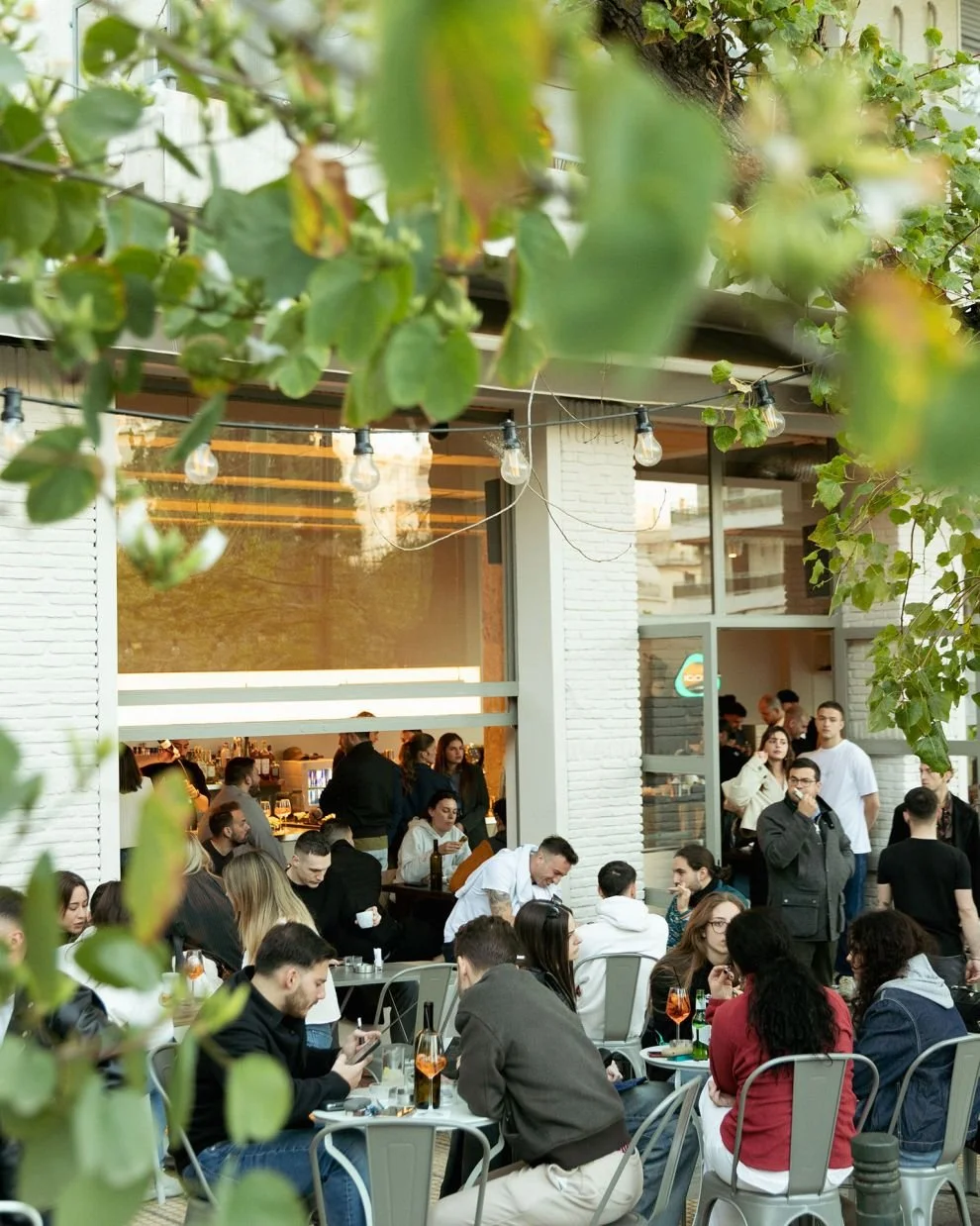
On the surface, it’s the embodiment of a new Athenian triptych that's winning the city: doughs, cocktails, and connection. The queues forming at its entrance are a clear sign that it has tapped into the zeitgeist. But look closer, and you’ll find a brilliant, soulful lesson in entrepreneurship and the power of a "third space."
The Origin Story A Classic Founder's Spark
Like all great ventures, Agave was born from a moment of inspiration. Its founders—four friends on a trip to Brazil—were enjoying a breakfast of acai bowls and had a collective thought: "Why don't we have this in Greece?"
This is the classic, beautiful genesis of so many great companies. It's the "why not me?" moment that separates a dreamer from a doer. They didn't just have an idea; they had the vision to translate it. They saw a gap in the Athenian market for a place that was built on a foundation of "gentle, good living," and they built it.
The Day-to-Night Pivot A Metaphor for the Modern Founder
What makes Agave so philosophically interesting is its dual identity. It’s a space that perfectly mirrors the rhythm of a modern founder's life: the hustle and the connection.
By day, it is a serene "cool refuge" from the city's wonderful chaos. The morning light floods a minimalist room with Cycladic touches. This is the "hustle" space. It’s where you can bring your laptop, sip a coffee, and dive into deep work. The menu itself is a testament to elevated comfort, from perfectly scrambled eggs with agave syrup to an exceptional panuozzo with mortadella and xinomyzithra mousse. It’s a space that respects and facilitates productivity.
But then, at 4:00 PM, the pivot happens.
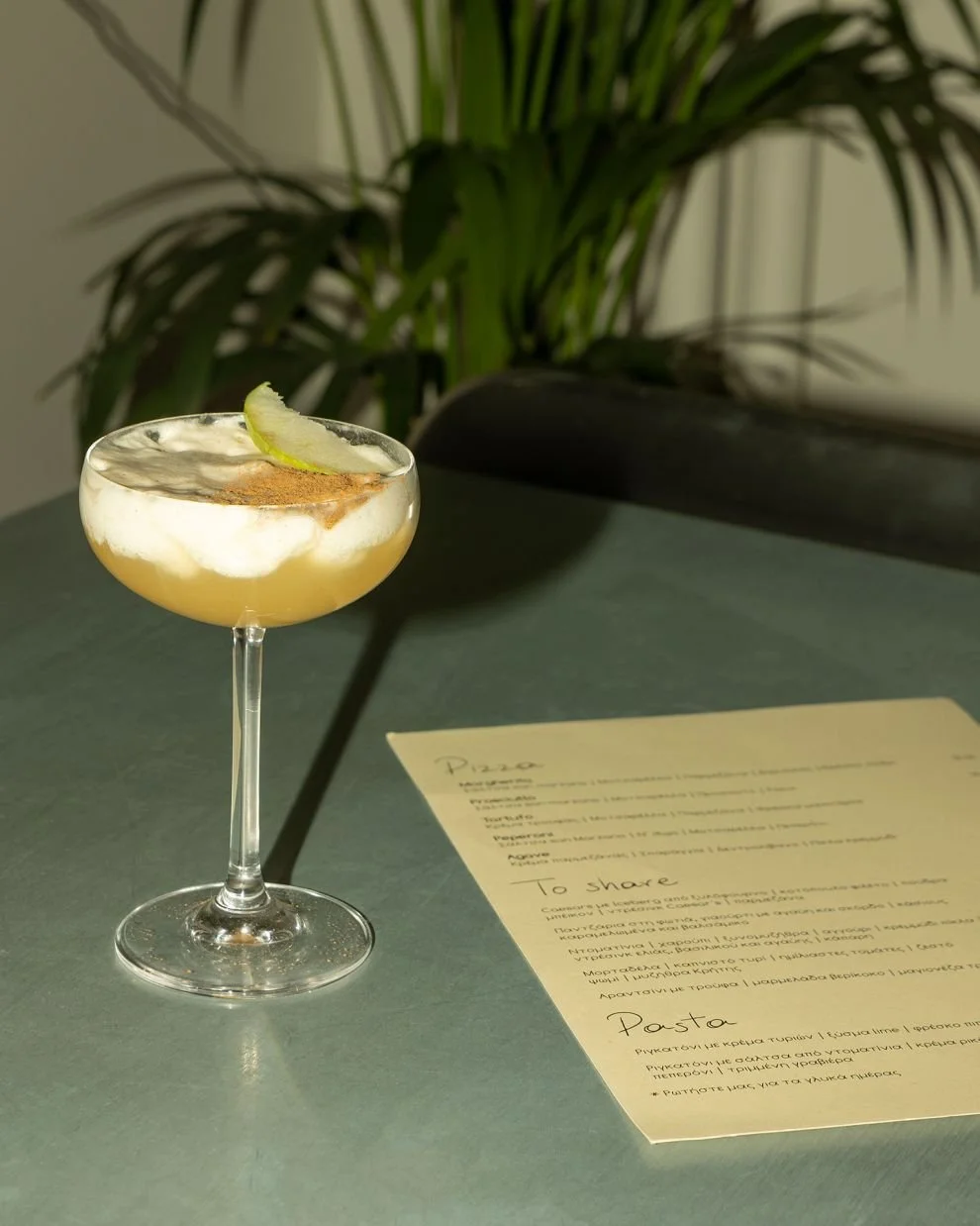
The energy shifts. The ovens heat up. The scent of pizza from chef Stamatis Kypraios fills the air, and the first "Melodia" cocktails—a blend of tequila, melon, and pink pepper by Dimitris Samouil—are served. The space transforms from a zone of individual focus to a hub of collective connection.
The Real Business Model Is Connection
This is where the true genius of Agave lies. The founders' stated goal was to create "a space where patrons can primarily talk to each other."
In a world increasingly dominated by digital isolation, a physical space dedicated to human conversation is a radical act. Agave understands that after the "hustle" of the day, we are starved for connection. We crave a place where we can share ideas, build relationships, and find our "tribe" organically.
This is the soul of mentorship, made manifest in a restaurant. It’s the understanding that the most valuable ideas, the most powerful partnerships, and the most meaningful support systems are born from these unstructured, face-to-face moments. The success of Agave is living proof that people are desperate for authentic, beautiful spaces that allow them to connect.
It’s a powerful lesson for any founder: your product isn't just your product. It's the community you build around it. Agave isn't just selling pizza and cocktails; it's selling the perfect environment for human connection. And that, we've found, is a mission that's always worth investing in.
Double-click to edit...
