
FOR STUDENTS: What is a Mentor, Really?
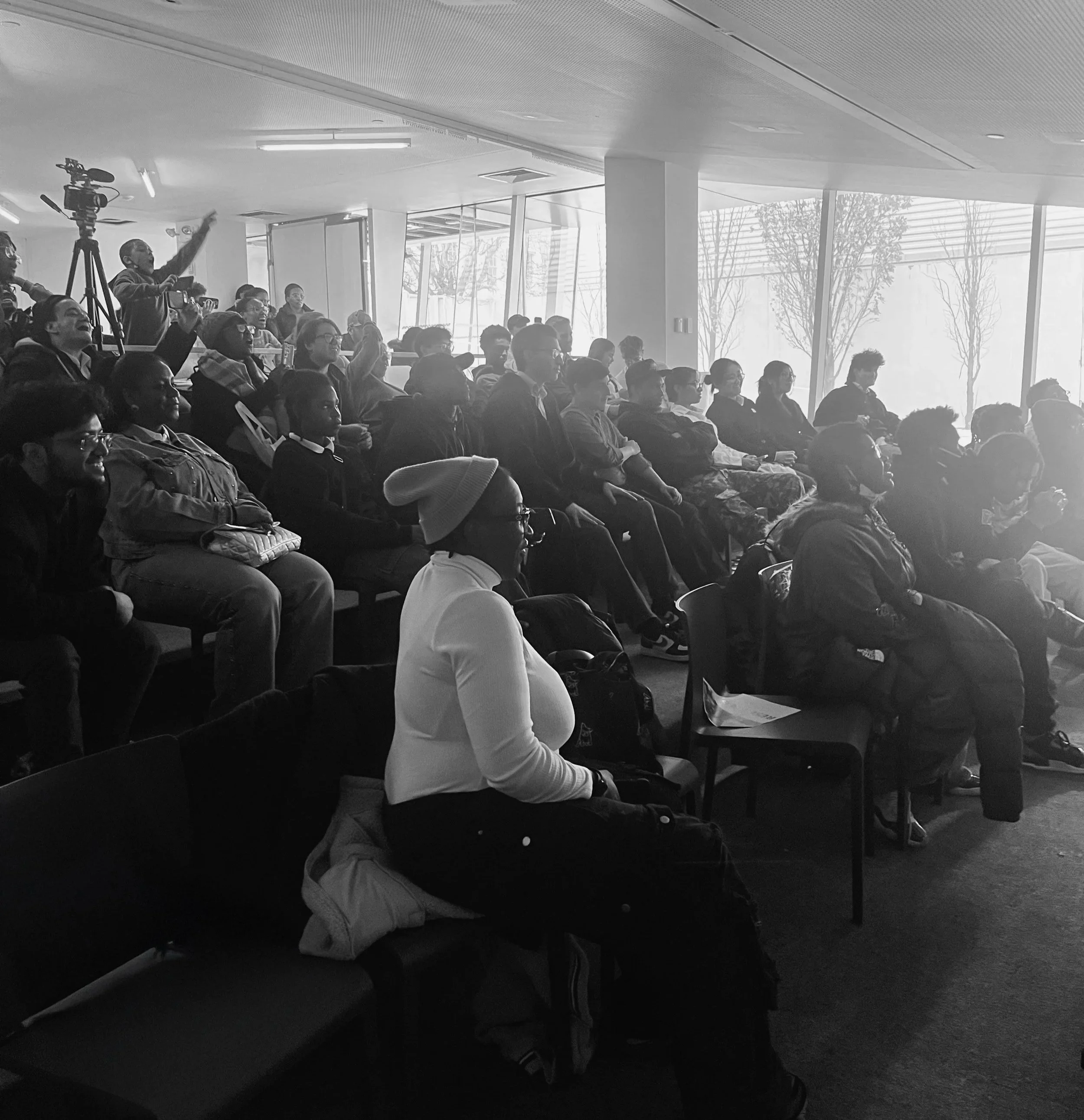
Welcome to the Queens Tech Fair! As you walk around today, you’re going to see a lot of cool technology: robots, code, design demos, and VR headsets. But the most powerful resource in this entire building isn’t a gadget you can hold in your hand. It’s the people wearing the badges that say "Mentor."
If you’ve never had a mentor before, that word can feel a little intimidating. It sounds serious. It sounds like a boss, a principal, or someone who is going to grade you. You might be thinking: “I’m just a student, why would a tech professional want to talk to me?”
We are here to tell you a secret: The Mentorship Lounge is the most chill, judgment-free zone at the fair.
This guide is here to break down exactly what a mentor is, why having one is like unlocking a superpower, and why you—yes, you—deserve to have one in your corner.
Section 1: What a Mentor Is (And What They Are Not)
Let’s clear up the confusion right away. There are a lot of misconceptions about what a mentor actually does.
They are NOT a Teacher: A teacher’s job is to make sure you learn a specific curriculum and give you a grade. A mentor doesn’t care about your GPA. They care about your dreams. They aren't here to correct your homework; they are here to help you figure out what you want to do with your life.
They are NOT a Judge: You do not need to pitch them a million-dollar business idea. You don’t need a finished product. You don’t need to be the smartest person in the room.
They ARE a Navigator: Think of a mentor like a GPS for your future. They have already traveled the road you are on right now. They know where the potholes are, they know where the shortcuts are, and they know the best places to stop and enjoy the view.
A mentor is essentially a teammate. They are someone who sees potential in you that you might not even see in yourself yet. They are a safe space to ask the questions you’re too afraid to ask in class, like “What if I fail?” or “How do I actually make money doing what I love?”
Section 2: Why You Need a "Soulful" Mentor
At the Queens Tech Fair, we focus on Soulful Mentorship. This means we aren't just talking about code and circuits; we are talking about people. Here is why connecting with a mentor can change your trajectory:
1. The "Time Machine" Effect Imagine if you could go back in time and tell your younger self exactly how to beat a difficult level in a video game. That is what a mentor does for you. They have been through the stress of high school, the confusion of choosing a college, and the fear of a first job. They can give you the "cheat codes" to navigate these challenges so you don’t have to struggle as hard as they did.
2. Confidence on Tap We all have that voice in our head that says, “I’m not good enough” or “I don’t belong here.” That is called Imposter Syndrome, and guess what? Adults get it too. A mentor is there to hold up a mirror and show you your strengths. When you think you’re failing, a mentor is the person who reminds you that failing is just part of learning. They are your personal hype-team.
3. Expanding Your Map Right now, you might think the tech world only has two jobs: "Coder" or "Gamer." But the world is massive. Mentors can introduce you to careers you didn’t even know existed—like UX Research, Ethical Hacking, Tech Policy, or Digital Art. They expand your map of what is possible for your future.
Section 3: Busting the Myths Stopping You
Are you still hesitating to walk into the Mentorship Lounge? Let’s look at the three biggest lies that stop students from getting a mentor.
Myth #1: "I need to be a tech genius to get a mentor."
The Truth: False! You don’t need to know how to code a single line. Mentorship is about curiosity, not skill. If you are willing to learn and ask questions, you are ready for a mentor.
Myth #2: "These adults are too busy/important to talk to me."
The Truth: Every mentor at this fair is a volunteer. That means they chose to spend their Saturday here. They didn't come for the free coffee—they came to meet you. They are excited to hear your perspective because you are the future.
Myth #3: "I don’t have anything to show them."
The Truth: You don't need a portfolio. You just need a story. Who are you? What do you like? What scares you? That is enough. A mentor wants to invest in the person, not the project.
The Bottom Line The Mentorship Lounge is open, and the seats are comfortable. Don't let fear keep you on the sidelines. Your future mentor is waiting to say hello, and that one conversation might just spark the fire that lights up your whole career.
Come on in. You belong here.
