
The “Girlboss” Is Dead. Long Live the Founder.
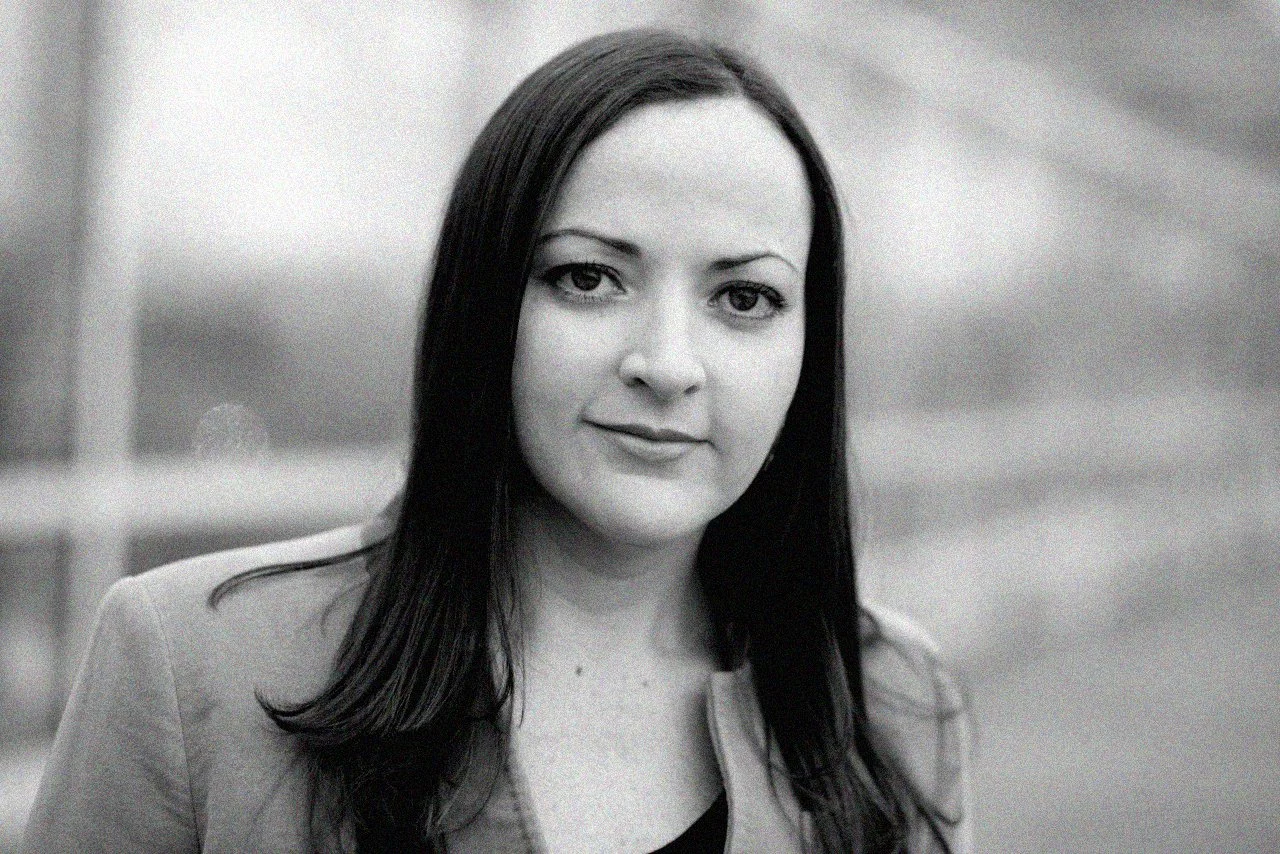
Leslie Feinzaig, a founder and VC we deeply respect, recently penned a necessary piece for Fortune reflecting on the rise and fall of the "girlboss" archetype. Her words resonated because they capture a frustrating cycle many women in leadership experience: the relentless pressure to fit into a neat, marketable box, only to be torn down when that box inevitably proves too small, too simplistic, or simply inconvenient for the prevailing narrative.
Feinzaig rightly points out the absurdity – "There’s no such thing as a ‘boyboss’." Male leaders are afforded the vast, complex spectrum of human personality; they can be introverts, extroverts, demanding visionaries, or quiet builders. They are simply leaders. Women, however, are often saddled with reductive labels that swing wildly between aspiration and caricature. From the hyper-capitalist "girlboss" to the retro-submissive "tradwife," these simplistic narratives flatten the reality of female ambition and create impossible, often contradictory, standards.
At WERULE, we believe this conversation is critical not just for founders, but for the future of leadership itself. Feinzaig's piece isn't just a reflection on a cultural moment; it's an indictment of a system – media, venture capital, and even societal expectations – that still struggles to see women outside of prescribed, easily digestible roles. But acknowledging the problem is only the beginning. Where do we go from here? How do we actively dismantle these cages and build a new narrative?
The Label Trap A Convenient Fiction That Stifles Reality
Why do these labels emerge and persist with such tenacity? They offer a convenient shorthand, a way to quickly categorize and, often, dismiss female power. For media outlets, labels create easy headlines and clickable archetypes. For a patriarchal system, they serve to contain and define female ambition in ways that feel non-threatening or easily understandable. The "girlboss," initially hailed as a symbol of women breaking into male-dominated spaces, quickly became a caricature – often associated with a specific aesthetic (millennial pink, perhaps?), a relentless "hustle culture" ethos, and sometimes, a leadership style criticized for mimicking the very systems it sought to disrupt.
The danger, as Feinzaig implies, is that these labels create unrealistic expectations and fuel intense, unforgiving scrutiny. When a founder inevitably reveals herself to be a complex, flawed human being rather than a flawless archetype, the public backlash can be swift and disproportionately brutal. This cycle doesn't just harm the individuals caught in its crosshairs; it sends a chilling message to countless other women: step outside the lines, reveal your imperfections, and you risk "cancellation." It discourages authenticity and forces women to perform a version of leadership rather than simply lead.
The WERULE Perspective: We must actively reject these labels in our own language, in the stories we choose to amplify, and in how we build community. Our focus must shift from celebrating easily marketable archetypes to championing the founder – in all her messy, brilliant, multifaceted human complexity. We need narratives that reflect the diverse realities of female ambition, not just the ones that fit neatly into a pre-approved box.
The "No Boyboss" Double Standard A Tax on Female Ambition
Leslie Feinzaig's razor-sharp observation – "There’s no such thing as a ‘boyboss’" – cuts to the heart of the double standard. It exposes the deeply ingrained sexism in how we evaluate leadership potential and performance. Male founders are allowed a vast spectrum – visionary, demanding, eccentric, quiet, aggressive. Their flaws are often reframed as quirks of genius; their ambition is simply assumed. They are assessed, for the most part, as founders.
Female founders, however, face a constant, implicit tax. They are perpetually measured against shifting, often contradictory archetypes. Are they likable enough (but not too soft)? Are they assertive enough (but not too aggressive)? Are they visionary enough (but focused enough on the details)? This impossible tightrope walk consumes valuable energy that could be spent building their companies.
This double standard is starkly evident in the venture capital world, a critical engine for scaling innovation.
Feinzaig highlights the grim reality: The gender funding gap isn't just persisting; it's worsening. All-female teams receive a fraction of the capital allocated to their male counterparts, despite data suggesting their businesses are often more capital-efficient and less likely to fail.
Research confirms the bias: Studies consistently show that investors ask fundamentally different questions based on gender. Male VCs tend to ask female founders "prevention-oriented" questions (focused on risk mitigation), while asking male founders "promotion-oriented" questions (focused on potential gains). This difference in framing directly impacts funding outcomes. Assumptions about women's commitments outside of work, particularly regarding family, further compound this bias, viewing potential motherhood as a risk rather than a life circumstance navigated by countless successful leaders of all genders.
This isn't just unfair; it's a catastrophic failure of market intelligence. It means brilliant ideas, potential unicorns, and world-changing innovations are being left unfunded simply because the founder doesn't fit a narrow, outdated, and demonstrably flawed pattern.
The Comeback Imperative Building an Ecosystem Beyond Cancellation
The intense scrutiny and higher stakes placed on female leaders mean that failure – an inevitable part of the innovation process – often carries a disproportionate, career-altering weight. A mistake that might be a footnote in a male founder's biography can become the defining headline for a woman, leading to the dreaded "cancellation." This pervasive fear stifles necessary risk-taking, experimentation, and the very innovation we claim to value.
This is why Feinzaig's simple declaration is so vital and, frankly, revolutionary: "I’m rooting for female founders’ comebacks."
This shouldn't be a radical stance, yet in a culture increasingly defined by online mobs and permanent digital records, it feels necessary. We, as a community of founders, investors, mentors, and allies, must actively cultivate an ecosystem that normalizes failure as data, encourages learning from mistakes, and provides pathways for founders to rebuild and rise again. True resilience isn't about never falling; it's about having the structural and emotional support system to get back up, stronger and wiser.
Mentorship Is the Scaffolding: Having trusted mentors who offer guidance through the difficult times, not just celebrate the wins, is essential. A great mentor helps reframe setbacks, strategize recovery, and rebuild confidence when it feels shattered. They provide the psychological safety needed to be vulnerable and learn.
Community Is the Safety Net: A supportive peer network – the kind WERULE strives to build – offers a crucial sanctuary. It's a space to share war stories without judgment, exchange practical advice on navigating crises, and find the collective encouragement needed to persevere. Knowing you are not alone in your struggle is a powerful antidote to despair.
The WERULE Mandate: We must evolve our narrative beyond the relentless celebration of wins. We need to create a culture that embraces the full, messy, complex reality of entrepreneurship. This means actively providing the resources – emotional, strategic, and sometimes financial – for founders to navigate setbacks, learn from them, and stage powerful, necessary comebacks. Our ecosystem must be designed for resilience, not just for success.
Rewriting the Narrative Mentorship as the Editor of a New Story
If the old narratives and labels are failing us, how do we actively write a new, more empowering story? The answer lies in amplifying the real, unfiltered journeys of founders and creating systems that support their authentic, complex paths.
Challenge the Double Standard Head-On: We must consciously call out the bias Feinzaig highlights – the different questions, the different assumptions. This requires investors to rigorously examine their own patterns and biases. It requires founders to demand fairer questioning and to push back against prevention-focused framing.
Invest in Resilience, Not Just Traction: Funding decisions should value not just a flawless pitch deck, but also the founder's demonstrated ability to navigate adversity, pivot effectively, and learn from failure. These qualities, often honed by women due to the very biases they face, are strong indicators of long-term leadership potential.
Mentorship as Narrative Control: Mentors play a crucial role here. They can help founders articulate their authentic narrative, moving beyond limiting labels. They provide the strategic sounding board needed to communicate vision, navigate challenges with confidence, and own their story, including the difficult chapters. Mentorship helps edit out the noise of external judgment and focus on the core truth of the founder's mission.
Moving Forward Beyond Labels
Leslie Feinzaig's article is a vital contribution to a conversation that is far from over. The goal isn't to find a better label for female ambition. The goal is to dismantle the need for labels altogether. It's to build a world where a founder is simply a founder, judged by the power of her vision, the quality of her execution, the resilience of her leadership, and the impact of her work – not by her gender or her adherence to a fleeting archetype.
This requires a conscious, collective effort. At WERULE, we believe that mentorship and community are the most powerful tools we have to write this new story, to build this new system, together. Let's get to work.
Double-click to edit...
