
How 20 Founders Turned a Moment into a Movement
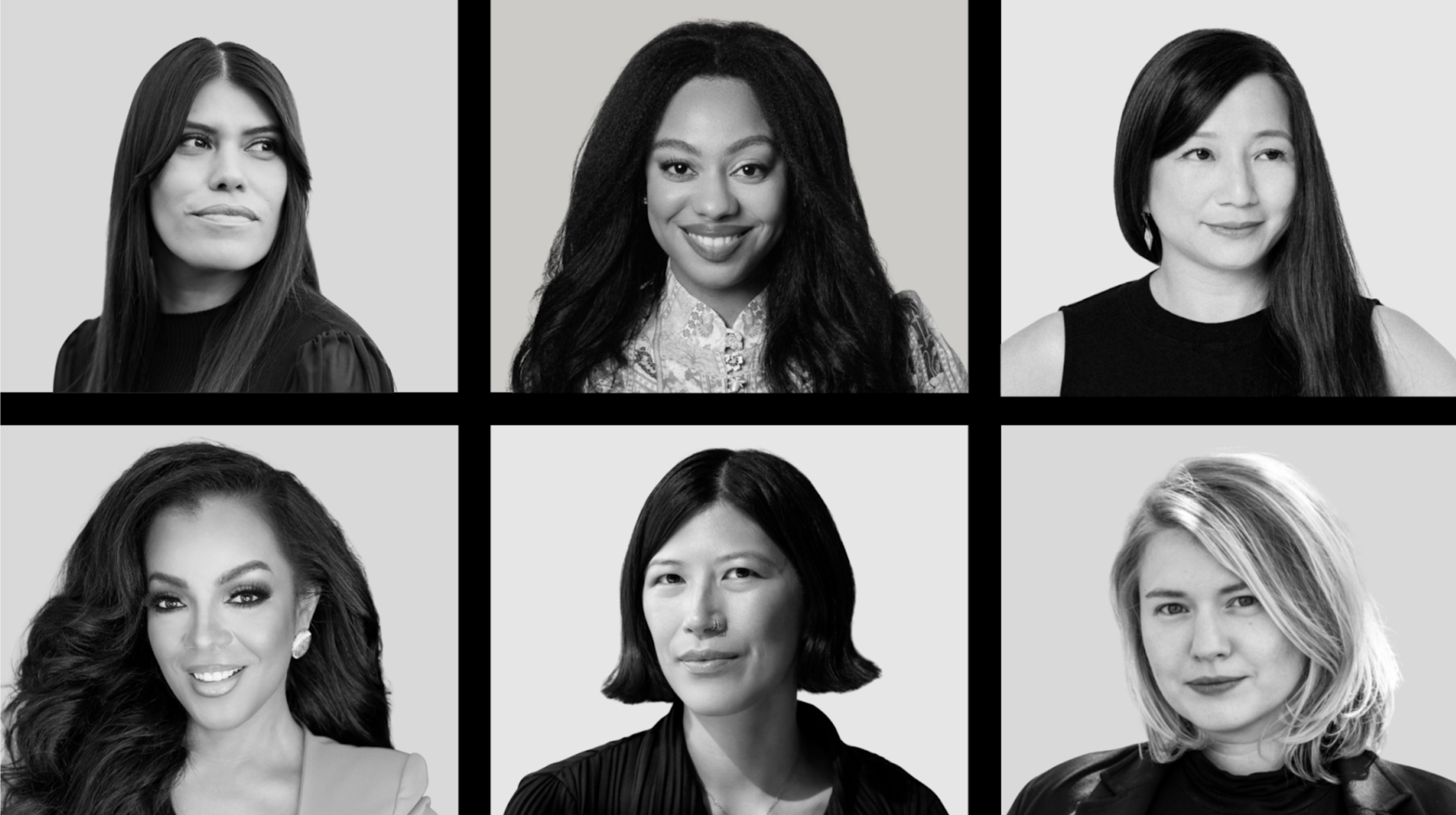
Behind every mission-driven business is a single, powerful moment—a frustration, an observation, a personal crisis, a quiet realization. It's a spark that illuminates a gap in the world and ignites the courage to fill it.
But where do these sparks come from? Is it a lightning bolt of genius, or something more human?
To find out, we connected with 20 extraordinary entrepreneurial women from the Dreamers & Doers community to deconstruct the anatomy of their founding moments. Their stories reveal that a world-changing idea doesn't always start with a grand plan. It starts with paying attention.
This is a deep dive into the three distinct types of sparks that launch a movement, and the first steps these founders took to turn that initial spark into a roaring fire.
1. The Intimate Spark: A Solution Built for Yourself
Some of the most powerful ventures are born from a deeply personal need. These founders didn't set out to build a business; they set out to solve their own problem, creating a solution so authentic it resonated with millions.
It was in a moment of professional overwhelm that Mary Lemmer of Improve stepped into an improv class and felt free for the first time in years. That experience sparked a mission to bring the tools of improvisation to leaders who, like her, needed to navigate uncertainty.
After years of searching for a way to heal from her mother's mental illness, Chen Lizra founded Power of Somatic Intelligence to "save others the time it took me and show them exactly how to heal more quickly".
Anastasia Shubareva-Epshtein felt anxiety and fear from existing pregnancy apps that leaned into a "sunshine-and-rainbow" portrayal of a grueling journey. That disconnect sparked the idea for Carea, a tracker with a mental-health-first approach.
After her own "life-changing" experience hiring a house manager, Kelly Hubbell left her corporate career to found Sage Haus and help other busy parents build the support systems they deserve.
Following her ADHD diagnosis, Ariana Rodriguez started experimenting with voice-to-plan workflows on ChatGPT. That personal revelation became CORXLY, an adaptive project management platform built for neurodivergent brains.
And after experiencing burnout in a sedentary corporate job, Victoria Repa realized millions of people were asking the same question she was: "How can I take control of my health?" This led her to build BetterMe, a leading wellness platform now serving 150 million users.
2. The Empathetic Spark: A Solution Built for Your Community
This spark ignites when you witness a struggle in your community and feel a profound sense of responsibility to create the solution.
For Chelsea Sanders, it was the jarring realization that in a room of 3,000 people, only ten looked like her. That moment clarified her mission: to support women founders in building economic power.
After being "repeatedly overlooked, misrepresented, and told I was 'too much' as a Latina woman," Nicole Leonwas tired of watching women like her get boxed in or burned out. She started L Leon Virtual Assistance with a laptop and a lot of grit, vowing to build a new path.
After the pandemic pushed countless Latinas out of the workforce, Luzy King saw the deep gaps in financial education for her community. It lit a fire in her to create Say Hola Wealth, a culturally-rooted financial education platform.
From her work with her nonprofit Project Petals, Alicia White saw how under-resourced communities were hit hardest by environmental issues yet excluded from climate innovation. This led her to create Blue SKYie to drive transformative and inclusive change.
As a curator, Melinda Wang saw that artists outside the traditional gallery system lacked access to crucial professional development services. After dozens of artists asked her for career guidance, she formed Ninth Street Collective to fill that need.
Ogaga Johnson witnessed countless skilled immigrants being overlooked for roles because their experience didn’t fit a narrow definition. Their stories gave her the "clarity, urgency, and motivation" to build Verisult, a career-tech company to help them thrive.
3. The Professional Spark: Connecting the Dots Others Miss
This spark comes from deep industry experience. These founders used their expertise to see a broken system, an overlooked opportunity, or an obvious connection that everyone else had missed.
After a decade in menswear design, Farida Raafat of DALYA saw how easy it was for men to get custom clothing, while women rarely had the same options. That disparity sparked her mission to redefine tailoring through a female lens.
Crystal Foote of Digital Culture Group was in a strategy session with a major brand that was missing high-intent customers because they didn't fit legacy models. That "recurring industry blind spot" inspired her to build smarter tools.
After a chef explained his restaurant's zero-waste supply chain, Natalia Mazzaia had a revelation: "why isn’t the fashion industry doing the same?" That obvious-in-hindsight connection sparked Terratela, a brand making clothing from innovative, food-based materials.
Catalina Parker of Relatable Nonprofit recognized a clear market gap from her own consulting work: nonprofit professionals wanted to become consultants but lacked the support to do so.
From Spark to Fire: The Founder's First Step
An idea is one thing; turning it into action is another. A shared theme among these founders is that the first step is often small, scrappy, and focused on learning.
Validate with Your Community: Mathangi Swaminathan of Parity Lab immediately formed a working board and interviewed over 100 stakeholders to ensure her approach was "grounded in the actual needs of those we aim to serve". Terry Chang of Two Moons Health used enthusiastic feedback from friends and family to pivot from a snack bar idea to the seed cycling capsules her community actually wanted.
Run a Low-Stakes Experiment: Lakshmi Balasubramanian of NoomaLooma turned her idea into reality through "impromptu park pop-ups" and "failure parties" that "prioritized joy over perfection". Cynthia Hellentested her QINTI Framework™ for ethical AI with a small pilot, confirming she was "building a way of thinking" before scaling.
Just Start Building (and Talking): Ariana Rodriguez gave herself "permission to start scrappy," building a working prototype of CORXLY that reflected her own struggles and vision. Kate Anderson of Downsizable got her first clients by simply "telling everyone we saw and interacted with about our business".
Find Your Spark
The journeys of these 20 founders prove that a world-changing idea can come from anywhere: a personal struggle, an injustice you witness, or a professional insight you can't stop thinking about. The most important lesson is not where the spark comes from, but that you have the courage to follow it when it does.