Forget the Market. Be the Market.
The tech world has a sacred, boring ritual: the hunt for "product-market fit." It involves spreadsheets, focus groups, user personas, and a whole lot of expensive guessing about what a theoretical customer might, one day, maybe want.
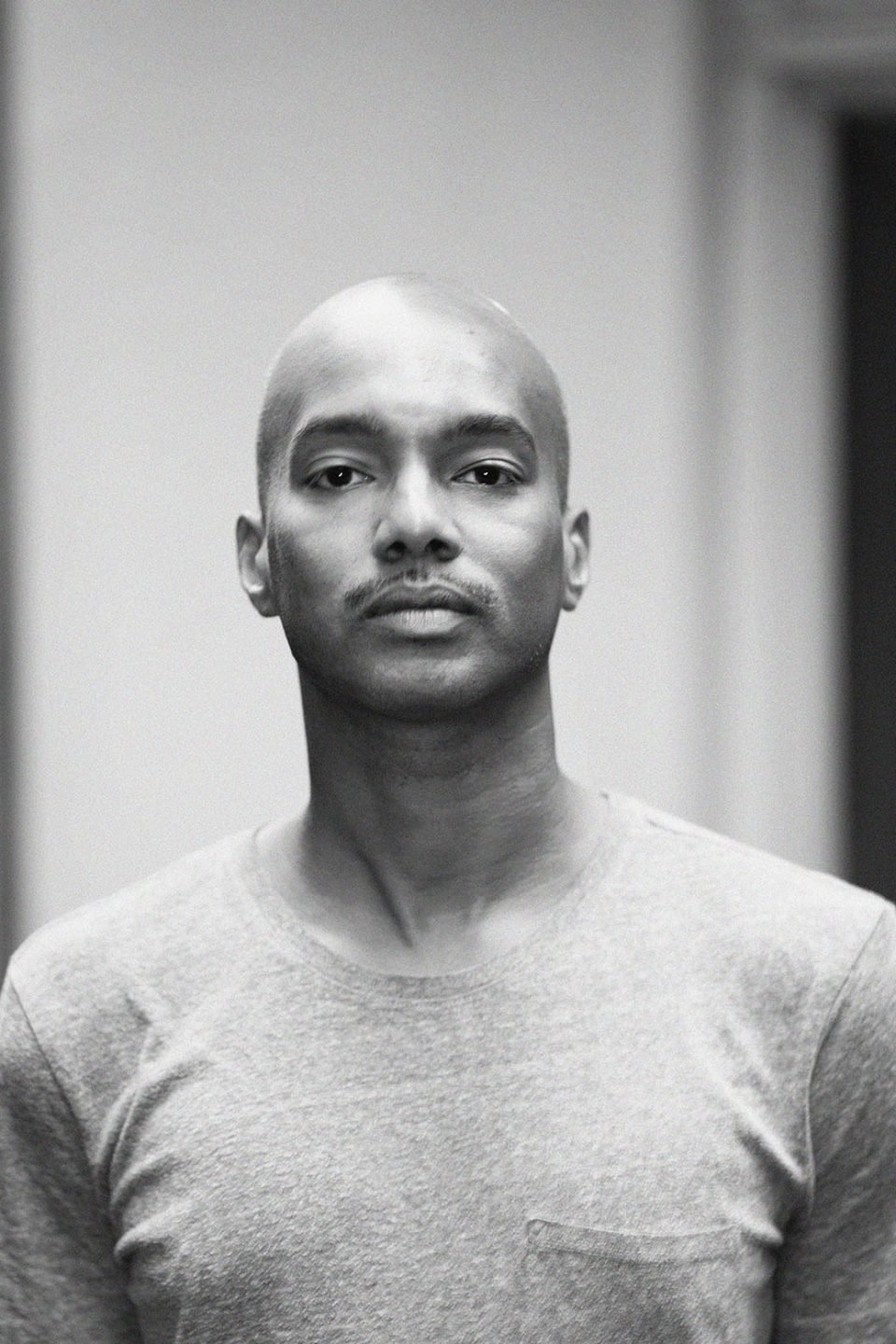
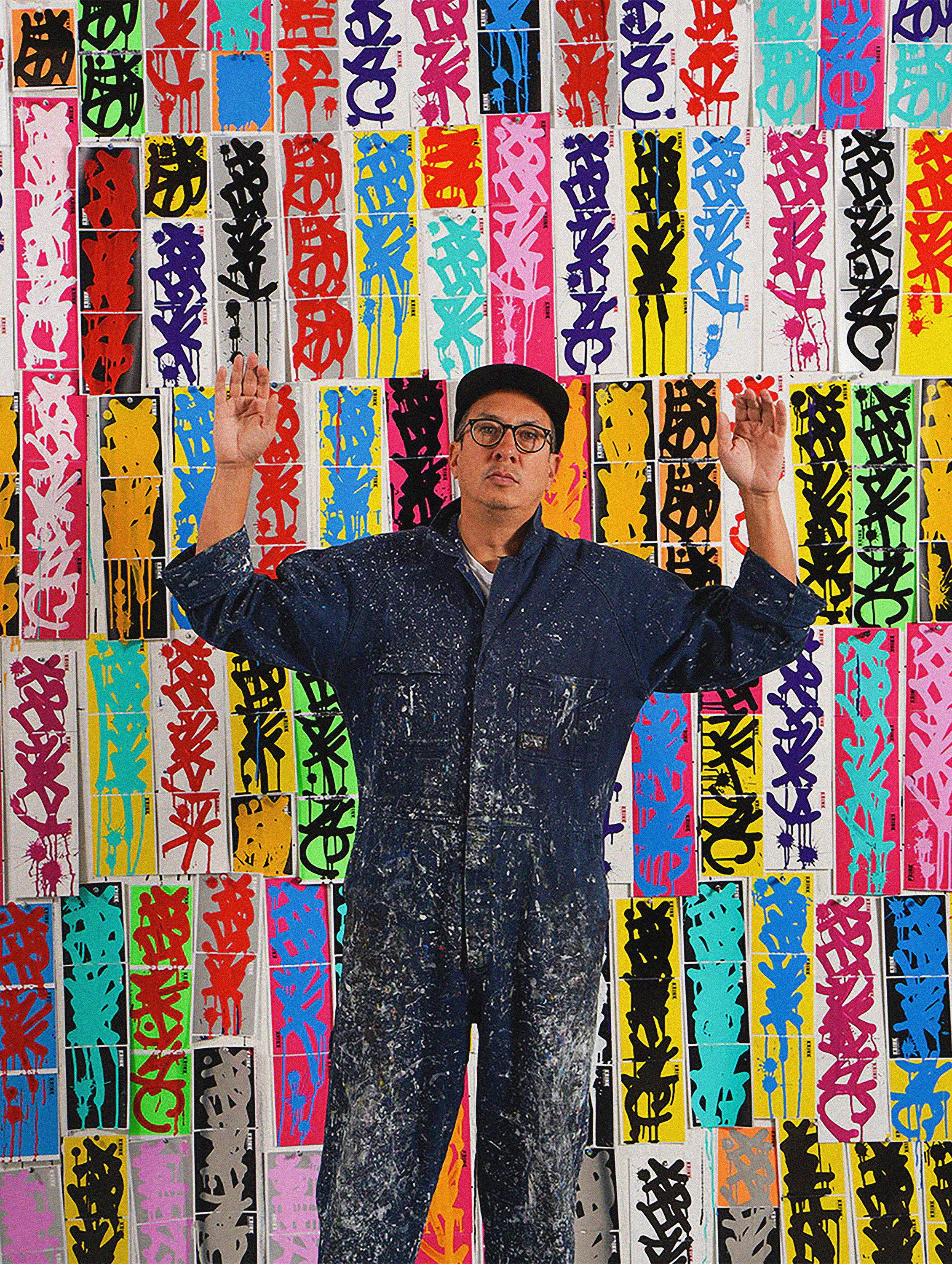
Craig Costello, the founder of Krink, never did any of that. He didn't find his market. He was the market.
His story is the most authentic, "no-bullshit" case study in product development I have ever seen. It’s a masterclass for every founder, artist, and builder who is tired of the corporate playbook. He didn't set out to build a brand; he set out to solve his own problems, and in doing so, he accidentally built an empire.
R&D Born from Stealth, Not Spreadsheets
Growing up in '80s Queens, Costello was a skater and graffiti writer. His R&D lab wasn't a sterile office; it was the "harsh environment" of the street. His "raw materials" were "racked" from janitor closets and office supply shops.
His "user pain points" weren't hypothetical. They were real, visceral, and had consequences.
The Problem: The street is dirty. He needed a marker tip that "wouldn’t clog with dirt."
The Problem: The street has elements. He needed an ink that "wouldn't fade."
The Real Problem: He was "racking" supplies and writing illegally. He needed a marker that wouldn't make a clicking noise from the mixing ball as he walked.
This wasn't a focus group. This was R&D born from stealth. He tinkered, he experimented, he "field tested" batches, and he took "mental notes." He’d "mush and massage" a marker tip just enough so it "became softer, fatter, and more brush-like."
He wasn't building a "Minimum Viable Product." He was building his "standard, everyday carry."
[Image: A high-contrast black-and-white photo of Krink's silver "drip" aesthetic on a gritty, urban surface.]
The "Drip" as a "Technology"
Costello's "no-bullshit" R&D didn't just solve problems. It created an aesthetic. He started experimenting with shoe polish mops, making his own silver paint that wouldn't eat the foam tip.
Then came the "genius" move.
"I adjusted the viscosity and made the paint drippy... I liked it drippy because it had style and there was nothing else like it."
The "drip" wasn't a flaw; it was the entire point. It was a feature. In his own words, it was a "technology that gave an edge in recognizability." He didn't just make a marker; he bottled his personal style.
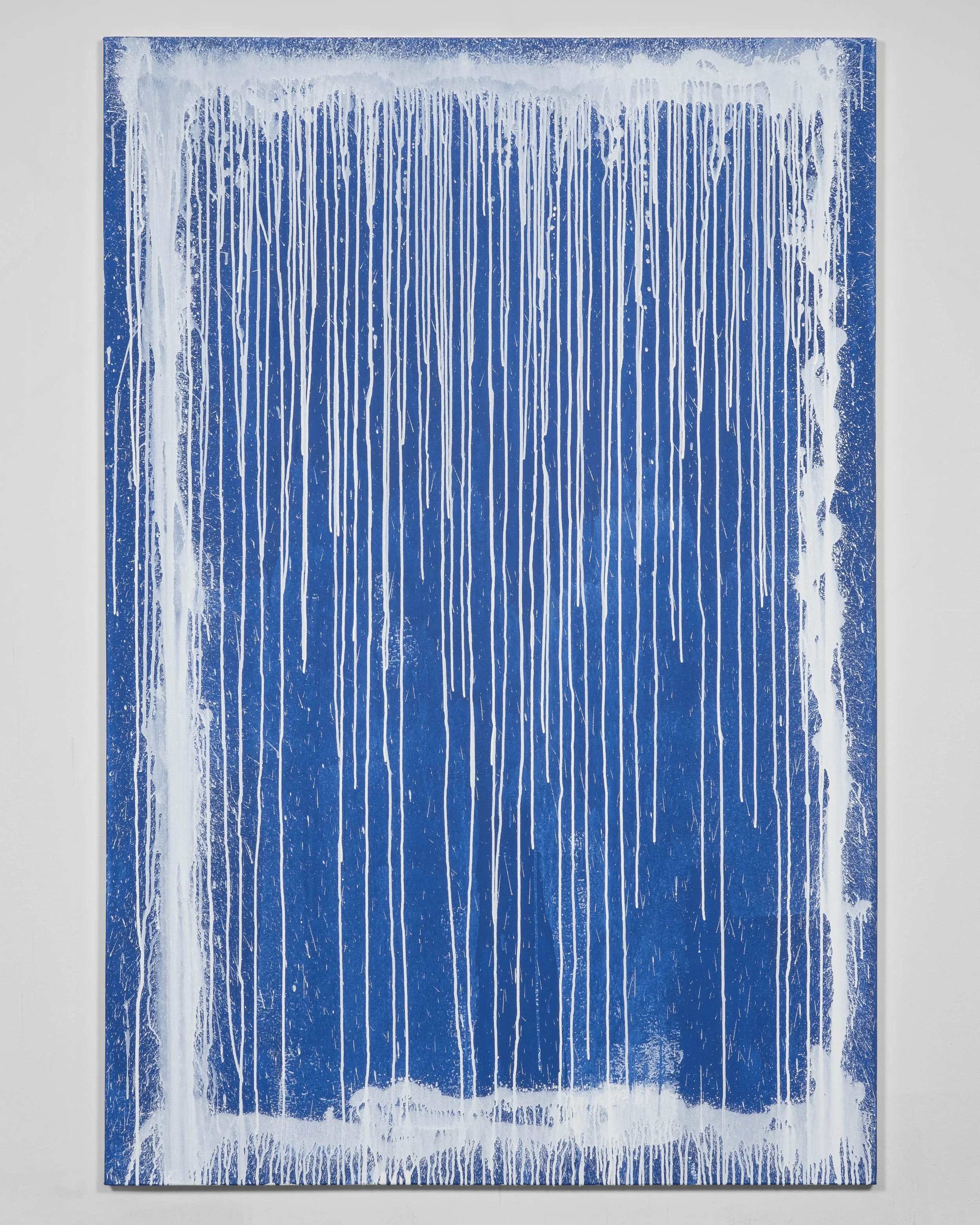
The iconic Krink drip
The Accidental "Go-to-Market"
When Costello moved back to NYC, he wasn't looking for distribution. He was just... living. His friends, who were starting the now-legendary shop Alife, were the ones who pushed him to sell his homemade markers.
His "go-to-market" strategy? It wasn't a strategy. It was just using his own product.
The LES was "covered everywhere with drippy silver tags." The market didn't need to be "educated" or "acquired." The market saw the proof of work covering the city and demanded the tool.
Alife sold out. He made more. It sold out again. He was taking cabs stuffed with bottles from Canal Street just to keep up. He didn't "find" a market; the market found him.
The Takeaway: Stop Guessing, Start Solving
This is the Krink masterclass: Stop guessing what people want. What do you want? What "weapon" do you wish you had?
Craig Costello built a brand that would eventually collaborate with Moncler, Nike, and Marc Jacobs not by chasing trends, but by solving his own, real-world problems. His "R&D" was his life. His "marketing" was his art.
He proves that the most powerful, enduring, and authentic brands aren't built from spreadsheets. They're built from necessity, grit, and a "no-bullshit" obsession with your own standards.
Forget the market. Be the market.
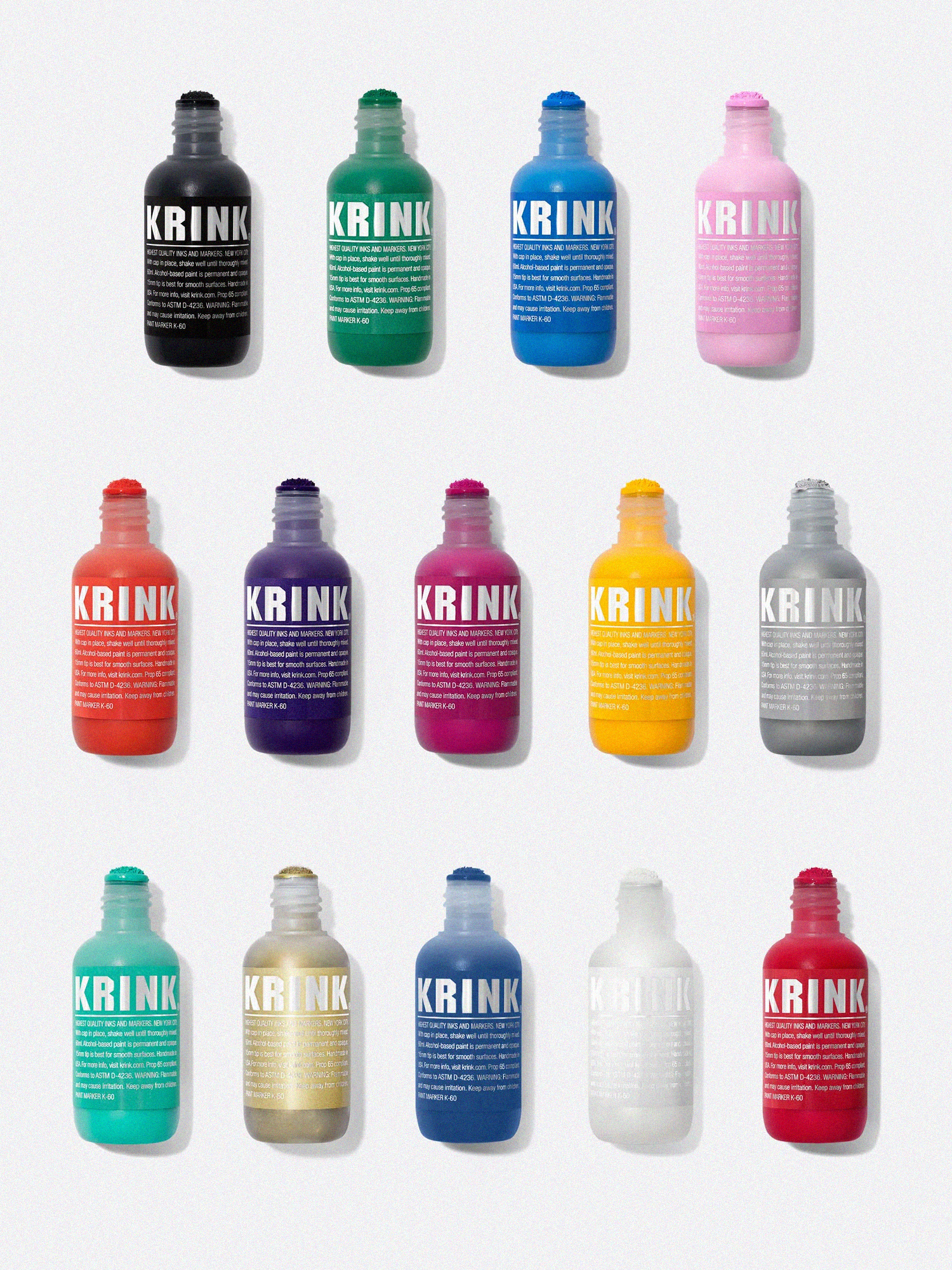
Krink colors
Frequently Asked Questions
Who is Craig "KR" Costello?
Craig "KR" Costello is the artist and founder of Krink, a globally recognized brand of high-quality markers and inks. He started by making his own tools for his graffiti and art, which accidentally grew into an iconic brand.
What is the "Forget the Market, Be the Market" philosophy?
It's an entrepreneurial approach where the founder doesn't "research" a target market. Instead, the founder is the market ("user zero"). They build a product to solve their own real, personal problems, which often leads to a more authentic and high-quality solution.
How did Krink become so popular?
Krink's popularity grew organically from the New York City street culture. Friends at the shop Alife began selling Costello's homemade markers, which sold out instantly. The "drippy" aesthetic of his tags, which covered the Lower East Side, acted as a viral marketing campaign for the product itself.
MORE FROM OUR BLOg: