
6 Lessons on Leadership from the Art World's Most Visionary Women
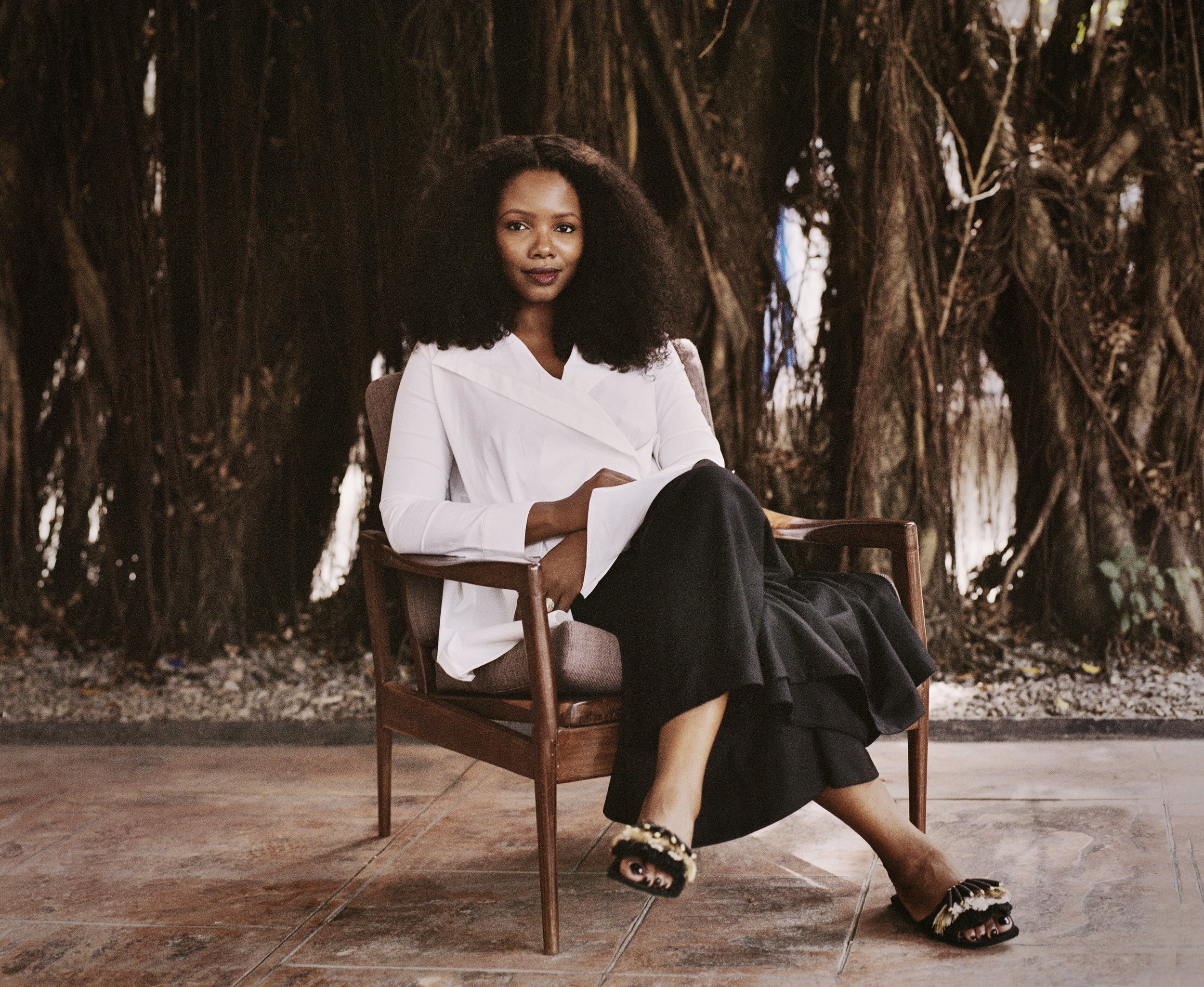
Tokini Peterside-Schwebig
Where do we look for blueprints on how to build a meaningful career? The worlds of tech and finance offer endless advice, but some of the most powerful and unconventional lessons in leadership are found in the art world.
Here, a new generation of female founders, artists, and curators are not just creating beautiful things; they are building ecosystems, challenging conventions, and shaping the future of culture itself. Their journeys are a masterclass in resilience, community building, and the power of an uncompromising vision.
We've chosen to spotlight six of these remarkable talents. From pioneering artists to visionary gallerists, their stories offer a powerful roadmap for any woman looking to make her mark on the world.
1. The Entrepreneur: Tokini Peterside-Schwebig and the Art of Building an Ecosystem
The Lesson: A true visionary doesn’t just join a scene; they build one. Before Tokini Peterside-Schwebig (pictured above) founded ART X Lagos, the now-leading international art fair in West Africa, she saw a city teeming with creative energy but lacking a global platform. “Lagos has so much to offer,” she says. “I wanted to help secure its place on the global cultural map.”
Now celebrating its tenth anniversary, ART X Lagos is more than just an annual event. Peterside-Schwebig has built an entire ecosystem around it, including ART X Live! for rising musicians, the Access ART X Prize for emerging artists, and even a school program for underprivileged children. She is changing the global perspective on Nigeria, “creating an opportunity that allows the world to see the Nigeria that we see.”
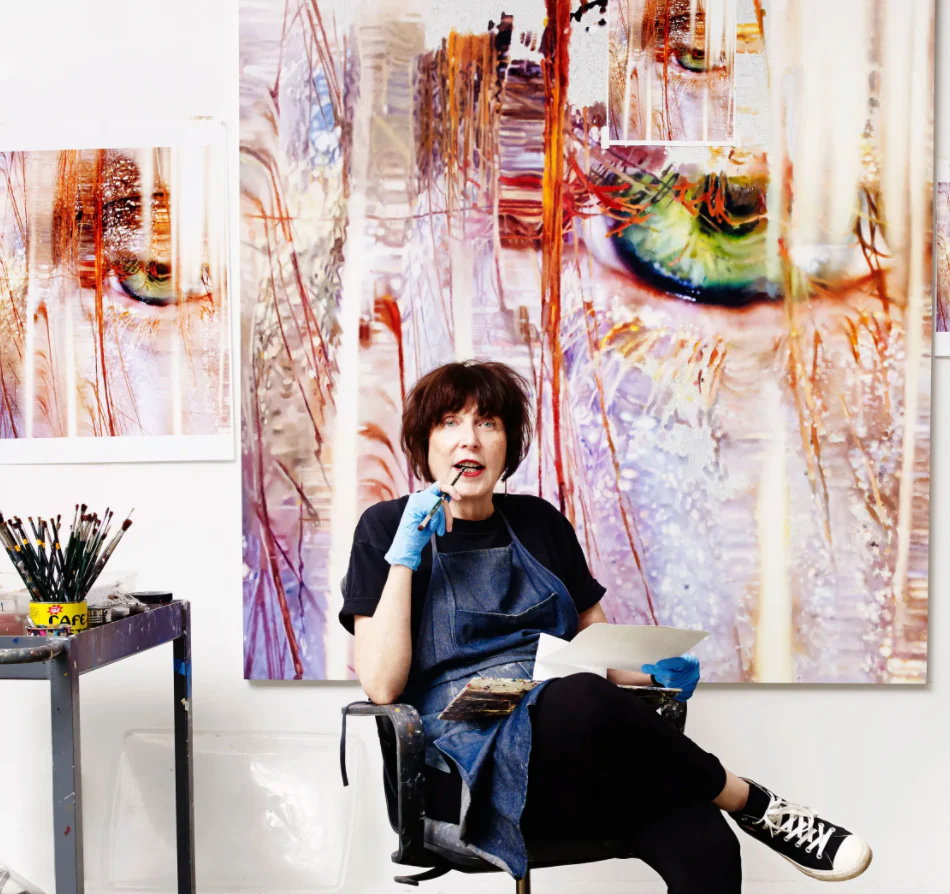
Marilyn Minter
2. The Activist: Marilyn Minter and the Power of an Uncompromising Vision
The Lesson: Your unique perspective, even if it’s initially misunderstood, is your greatest asset. For four decades, artist Marilyn Minter has created striking, hyper-glossy works that examine the complexities of glamour, consumerism, and the male gaze. Her art is both alluring and unsettling, and for years, it was considered radical.
“I’ve always been slightly marginalized, and that has worked for me,” Minter muses. Her early "Porn Grid" works from the 80s, once met with backlash, are now hailed as pivotal. Outside her art, she has been a vocal advocate for women’s rights and social justice. Minter’s career is a powerful testament to the importance of staying true to your vision, even if it takes the world a while to catch up. She proves that challenging the status quo is a long game, and one worth playing.
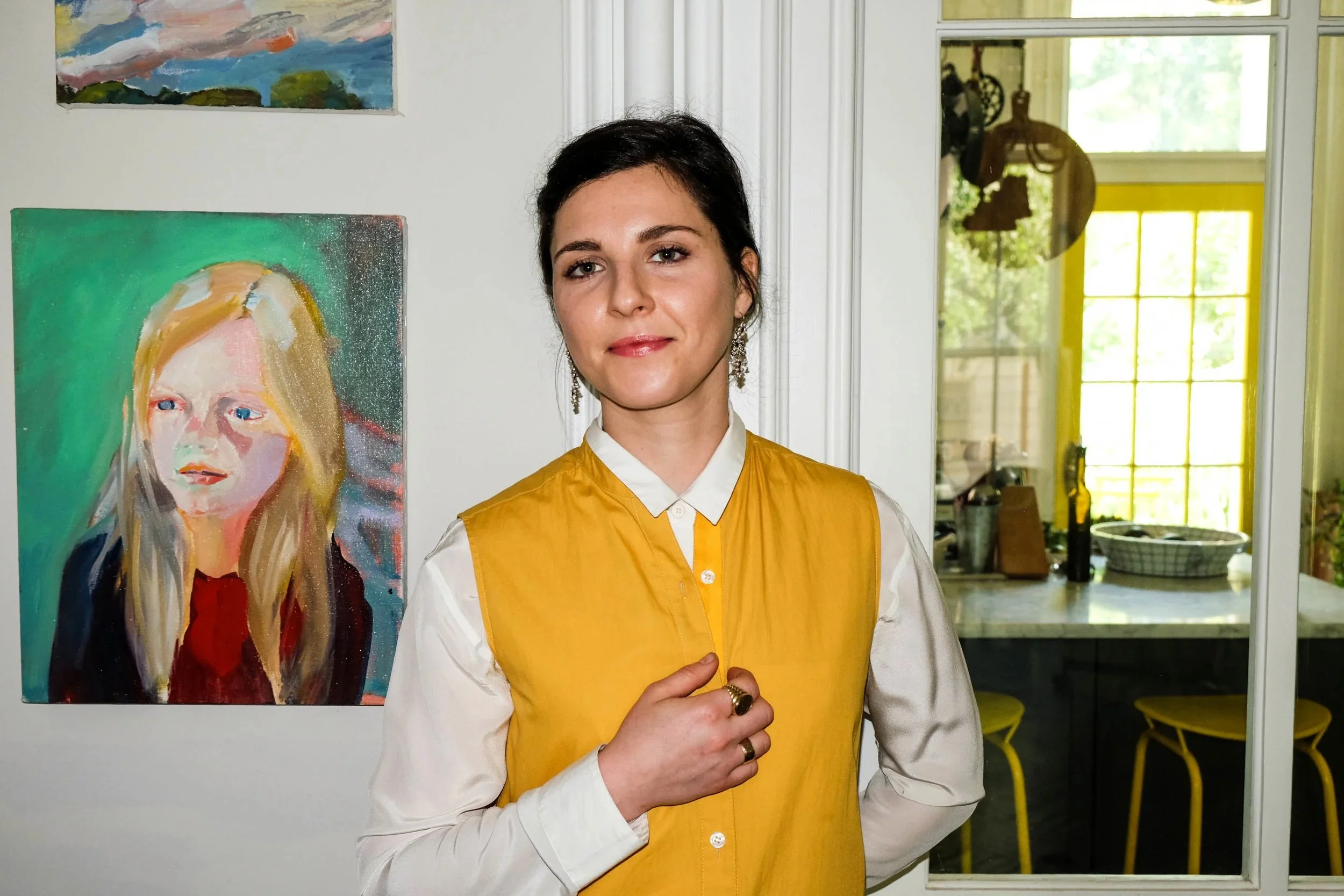
Julia Sherman
3. The Community Builder: Julia Sherman and the Magic of Creative Collaboration
The Lesson: The most powerful movements are built at the intersection of different worlds. Artist turned chef Julia Sherman has carved a unique niche by weaving together the worlds of food, art, and community. As the new executive chef at the New Museum in New York, she isn’t just creating dishes; she’s fostering creative partnerships.
From commissioning artists to create one-of-a-kind mugs and menu art to building community gardens on the rooftops of museums like the Getty and MoMA PS1, Sherman’s work is a masterclass in collaboration. “I like this mix of approachability but also want it to be a destination,” she says. Her philosophy shows that by bringing different creative energies together, you can build something that is both accessible and extraordinary.
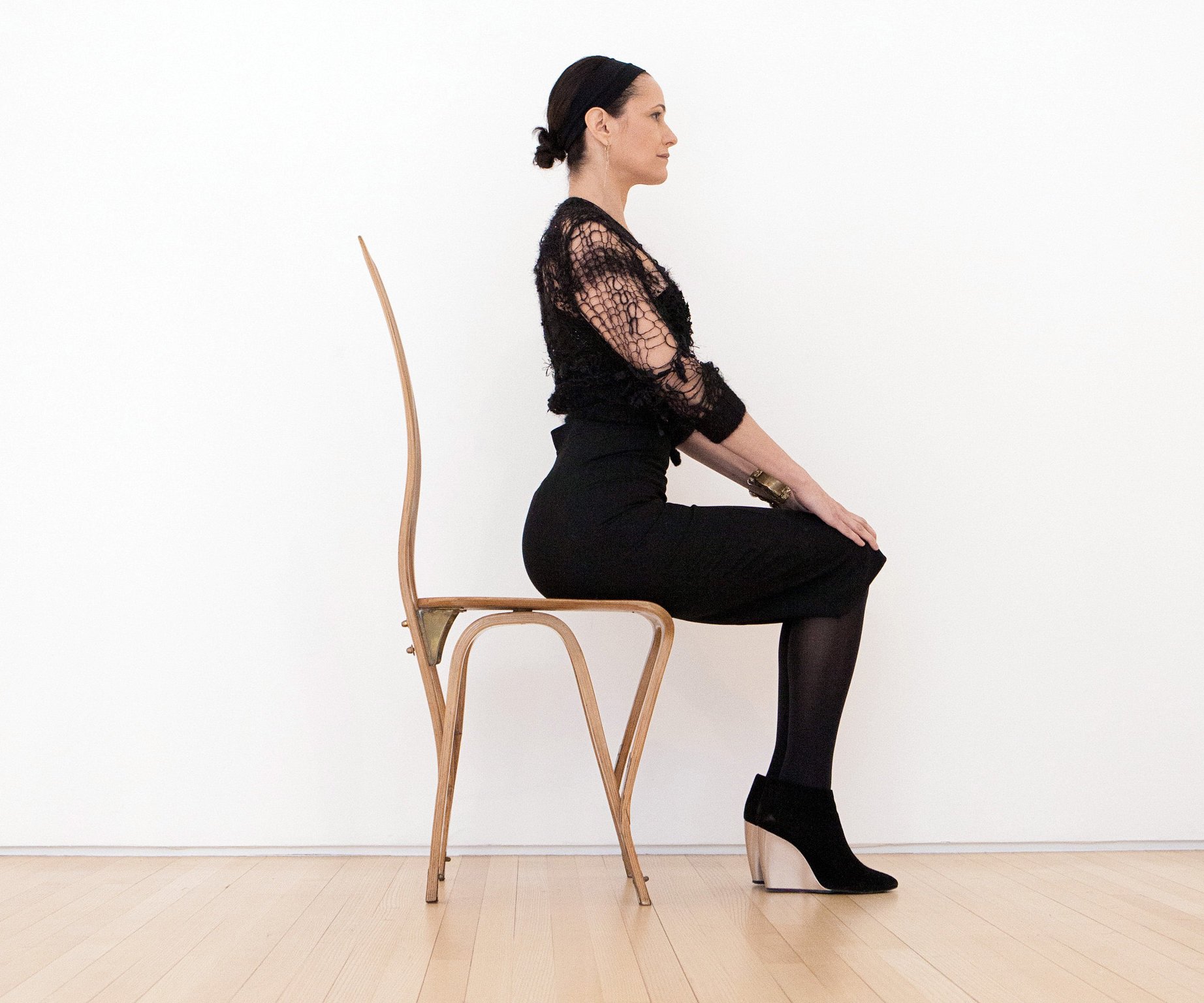
4. The Curator: Jeanne Greenberg Rohatyn and the Courage to Break Boundaries
The Lesson: True influence comes from breaking down hierarchies and trusting your own unique taste. Jeanne Greenberg Rohatyn, founder of the visionary gallery Salon 94, is celebrated for her masterful blend of art and design. She launched her gallery from her own townhouse, creating museum-worthy exhibitions that feel both intimate and groundbreaking.
Her distinctive curatorial eye was shaped by a childhood where artworks by Andy Warhol and Jean-Michel Basquiat were displayed alongside furniture by Donald Judd. This taught her a fluid perspective. At her gallery, she is constantly pushing her own taste and revisiting biases, asking, “What is the lens now?” Her success is a lesson for any leader: don’t be afraid to shatter boundaries and create a new category of one.
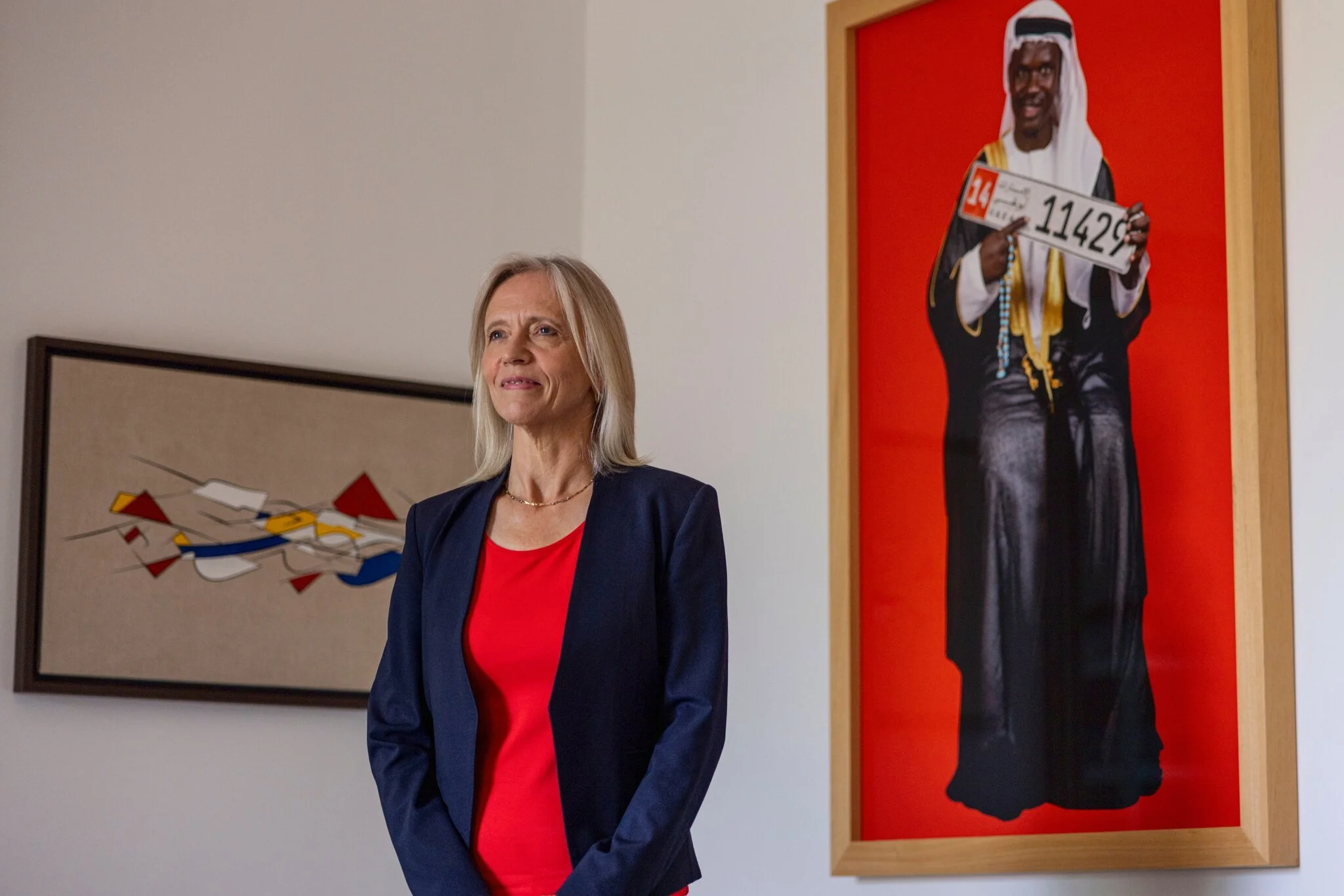
5. The Institutional Leader: Mariët Westermann and the Stewardship of a Global Legacy
The Lesson: True leadership at scale is about connecting people to a mission—and to each other. When Mariët Westermann became the first female director and CEO of the Solomon R. Guggenheim Museum and its foundation, she took on the stewardship of a global icon.
Her job is to ensure the constellation of Guggenheim museums in New York, Venice, Bilbao, and soon, Abu Dhabi, work together to create transformative experiences. She believes museums are no longer just "owners of knowledge," but must actively share it to stay relevant. “We connect people to art and the artists who make it, and therefore we also connect people to each other,” Westermann says. Her approach shows that even at the highest level, the mission remains deeply human: to build community and foster connection.
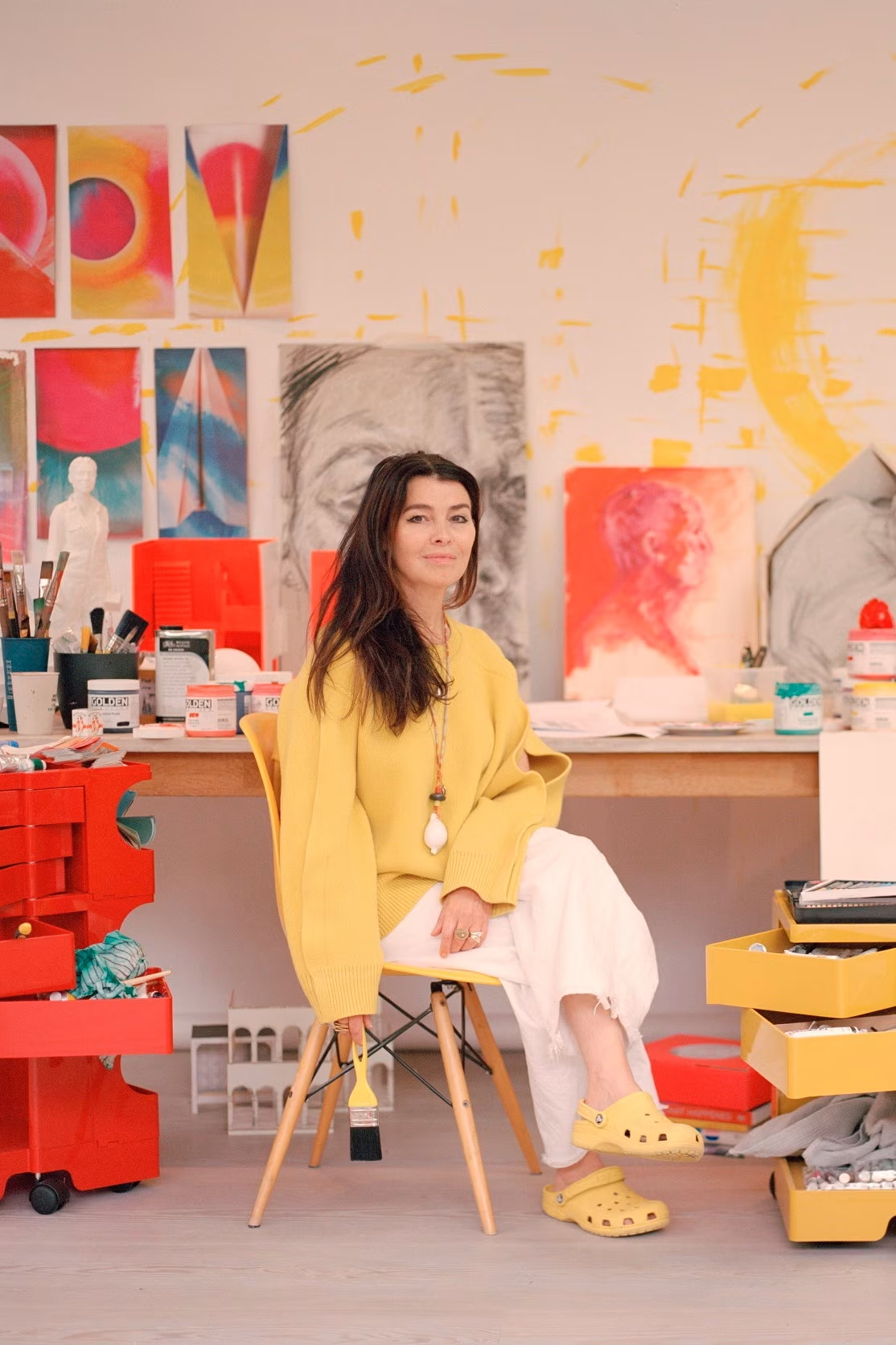
Es Devlin
6. The Visionary: Es Devlin and the Art of Immersive Storytelling
The Lesson: The future belongs to those who can create experiences that are both intensely personal and universally resonant. British designer Es Devlin is a true trailblazer, renowned for her immersive creations that masterfully integrate light, film, and sculpture. She is the visionary behind iconic stage shows for Beyoncé and Adele, the 2012 London Olympics closing ceremony, and the 2022 Super Bowl halftime show.
Her latest milestone is as the global artistic lead of the Women’s Pavilion in collaboration with Cartier for Expo 2025 in Osaka, Japan. Her sound installation invites visitors to share their names, making their own identity part of the narrative. “I view each audience, each group of visitors, as a rehearsal community,” Devlin explains. Her work is the ultimate lesson in modern leadership: using technology not to create distance, but to forge deeper connections and inspire audiences to see their part in a larger story.
Frequently Asked Questions
Who are some of the most influential women in the art world today?
This list features six visionary leaders making a significant impact: Tokini Peterside-Schwebig (Founder, ART X Lagos), Marilyn Minter (Artist & Activist), Julia Sherman (Chef & Artistic Director), Jeanne Greenberg Rohatyn (Founder, Salon 94), Mariët Westermann (Director, Guggenheim Museum), and Es Devlin (Artist & Designer).
What is ART X Lagos and why is it important?
Founded by Tokini Peterside-Schwebig, ART X Lagos is the leading international art fair in West Africa. It has been instrumental in putting Lagos, Nigeria, on the global cultural map and creating an ecosystem to support and empower African artists, filmmakers, and musicians.
Who is Es Devlin and what is she known for?
Es Devlin is a world-renowned British artist and designer celebrated for her large-scale, immersive installations and stage designs. She is the creative force behind iconic stage shows for artists like Beyoncé, Adele, and The Weeknd, as well as major global events like the Olympics and the Super Bowl halftime show.
How can creative professionals find mentorship?
A key lesson from these leaders is that mentorship often comes from observing and learning from the journeys of others. To find a mentor, immerse yourself in your community like Julia Sherman, build an ecosystem like Tokini Peterside-Schwebig, and don't be afraid to connect with leaders who have a vision that inspires you. The best mentorship is often found by participating in the world you want to be a part of.
Double-click to edit...
