
The Sacred Science of Ayurveda: Sahajan Launches a Modern Elixir Rooted in Royal Tradition

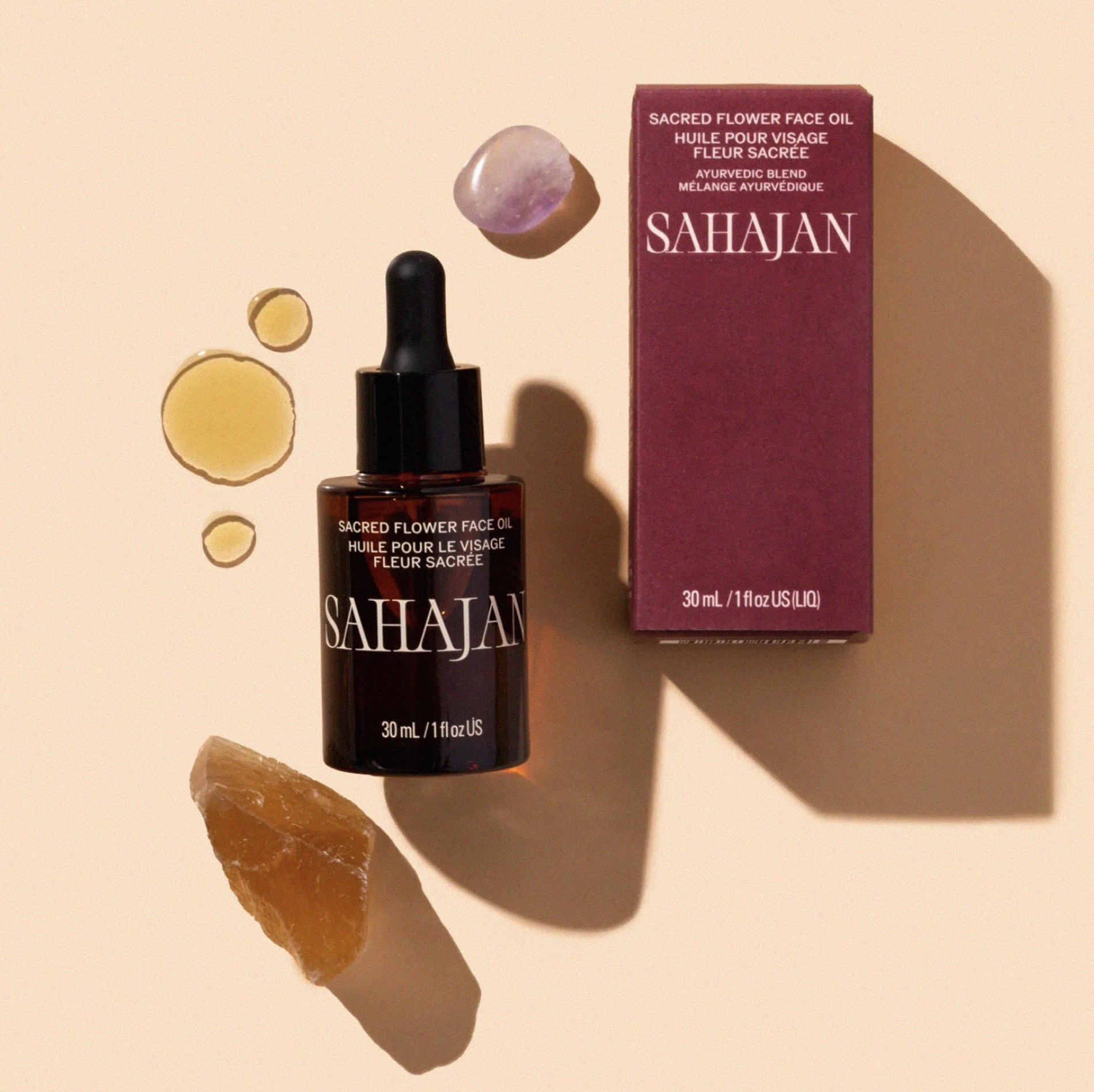
For over five millennia, the texts of Ayurveda have guarded the secrets of holistic healing. Among the most revered of these ancient formulations is Kumkumadi oil. Historically reserved for Indian royalty, this botanical blend has long been celebrated as the liquid gold of the Ayurvedic tradition. Today, the beauty landscape is witnessing a sophisticated revival of this royal ritual. Sahajan, the pioneering skincare brand that bridges ancient wisdom with rigorous clinical science, has officially launched its highly anticipated Sacred Flower Oil.
The Visionary Behind the Brand
The driving force behind this launch is Lisa Mattam, the founder and CEO of Sahajan. Drawing from her South Indian heritage and an extensive background in the pharmaceutical industry, Mattam recognized a profound gap in the global beauty market. She understood that while modern consumers craved clean and natural ingredients, they also demanded absolute proof of efficacy.
Since founding the company in 2015, Mattam has worked directly with Ayurvedic doctors in Kerala, widely considered the birthplace of Ayurveda. Her mission has been to develop a standard of skincare that honors ancient rituals while surviving the scrutiny of modern clinical testing. With Sacred Flower Oil, she has created a modern expression of Kumkumadi that meets the complex needs of today's consumer.
A Formulation of Kings and Queens
Sacred Flower Oil is the ultimate expression of Mattam's philosophy. The lightweight and fast absorbing formula is a masterclass in botanical synergy. At its core is a lotus forward blend featuring saffron, turmeric, the flame of the forest, and bakuchi oil. Bakuchi is particularly notable as Ayurveda’s natural alternative to retinol. It offers the skin renewing benefits of traditional vitamin A derivatives without the associated irritation, making it a highly sought after ingredient in 2026.
These ingredients are not randomly selected; they are steeped in the time tested wisdom of India’s holistic healing system. The elixir itself is mentioned in classical Ayurvedic texts such as the Ashtanga Hridayam and Bhaisajya Ratnavali. Sahajan has taken this sacred recipe and optimized it to visibly improve tone, smooth the appearance of fine lines, and boost radiance.
The Clinical Proof of Ancient Wisdom
The formulation is not merely a nod to history; it is a clinically validated powerhouse. In a comprehensive four week consumer study focusing on women between the ages of 35 and 65, the results were unequivocal. A full 100 percent of participants reported that their skin looked visibly smoother. Furthermore, 96 percent noted an improvement in uneven skin tone, and 94 percent saw a visible reduction in fine lines and dark spots.
These metrics prove that the ancient texts were incredibly accurate in their praise of these botanicals. Ananta Ripa Ajmera, a certified Ayurvedic health practitioner and Director of Ayurveda at THE WELL, notes that Sahajan’s approach stands out because of its absolute integrity. By grounding a spiritual origin in thoughtful research, the brand allows ancient practices to feel deeply relevant to the modern world.
The Ritual of Pause
Beyond the clinical metrics, Sacred Flower Oil is designed to elevate the daily routine into a grounding ritual. In a fast paced world, the delicate lotus scent and silky texture offer a necessary moment of pause. It requires the user to treat their skincare routine not as a chore, but as an act of intention and reverence for their own well being. It can be used in place of a moisturizer or layered as the final step to seal in hydration, both morning and night.
Sacred Flower Oil retails for $58 USD and is officially available as of February 10, 2026. Consumers can find the 30 mL bottle at sahajan.com, Credo, The Detox Market, and Amazon. It is a daily invitation to experience the luxury of Indian royalty, bottled meticulously for the modern era.
