
The Underdog's Blueprint: How to Win in a Saturated Market
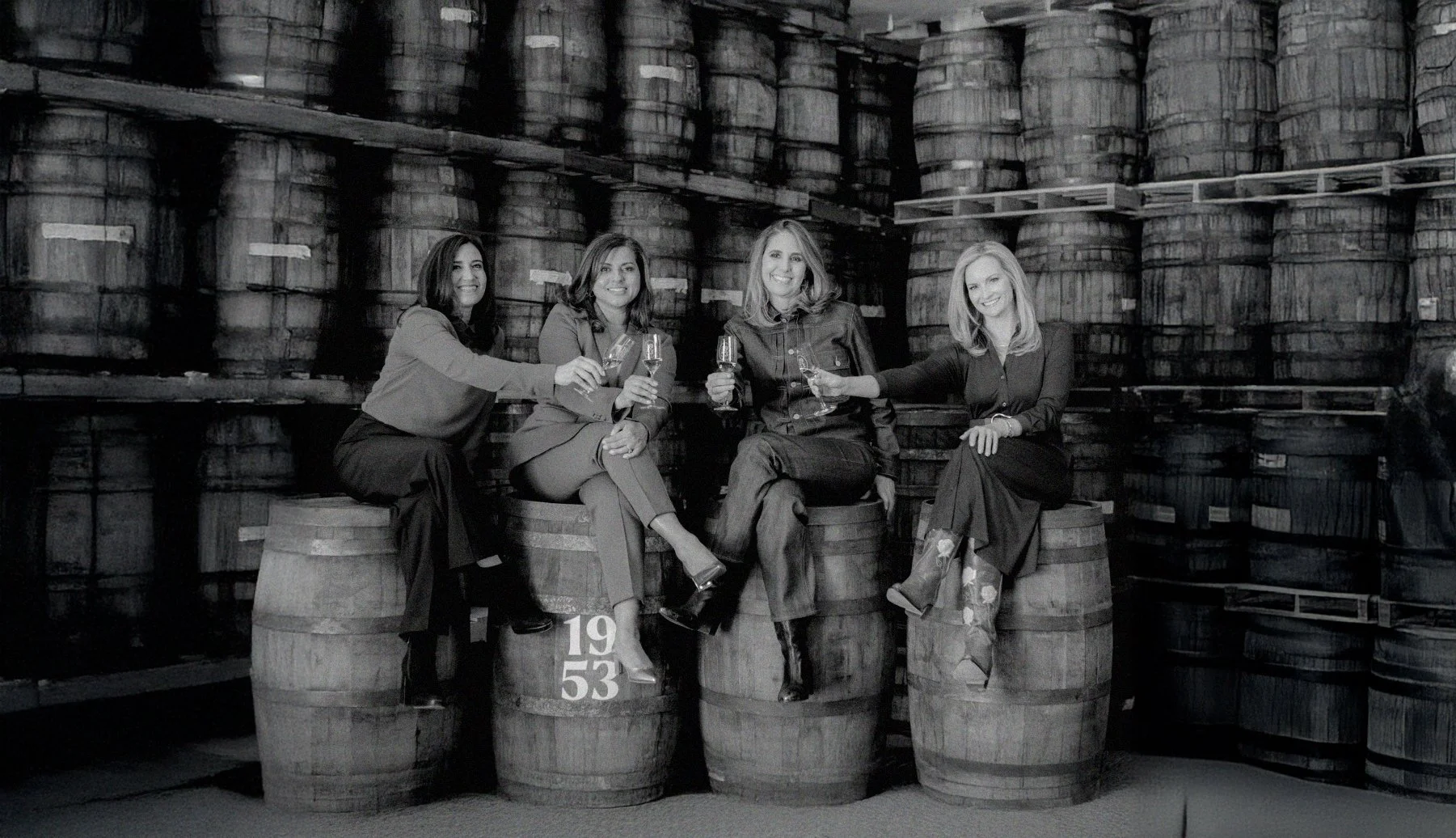
How do you break into an industry that’s not just trending, but completely saturated with A-list celebrity brands and male-dominated leadership? This is one of the most daunting challenges a female founder can face. Do you even stand a chance against the likes of George Clooney, The Rock, and the Jenners of the world?
The answer is a resounding yes. But not by playing their game.
Recently, we were listening to the excellent Yahoo Finance podcast "The Big Idea" with Elizabeth Gore, where she had an inspiring conversation with Shivam Mallick Shah and Lindsey Davis Stover, the co-founders of the award-winning 1953 Tequila. Their journey of launching a premium tequila brand reveals a powerful blueprint for any founder looking to enter a crowded market. They teach us that when you can't outspend the competition, you must out-think, out-maneuver, and out-care them.
This is their playbook for turning your unique story into your greatest competitive advantage.


Principle #1: Embed Your 'Why' into Every Link of Your Supply Chain
In a trending market, having a great product is just the price of entry. A truly disruptive brand has a story and a set of values that are woven into the very fabric of the business. For 1953 Tequila, this meant building an entire supply chain that was founded, farmed, distilled, and led by women.
This was no easy task. They were told "no" repeatedly.
“People didn't think it was necessary to have a female-led supply chain,” Lindsey shares. “They didn't think that it would make a difference in the quality of the product, and they didn't think that frankly, we could do it.”
Undeterred, they found a distillery owned by the same family for over 100 years, which had a female master distiller, Rocio Rodriguez. The biggest hurdle was finding an agave farm owned by women, a rarity in a tradition where land is passed from father to son. They found a farmer with four daughters and made a bold proposal: if he would consider passing his farm to his daughters, they would guarantee the purchase of agave for 1953 Tequila. After a serious family meeting, the daughters agreed, inspired by the idea of showing the high school girls down the street that there was nothing they couldn't do.
The Mentor Takeaway: Your supply chain isn't just logistics; it's a chapter of your brand story. A values-driven operation creates an authentic narrative and a deep sense of purpose that no celebrity endorsement can ever replicate.
Principle #2: Turn Every 'No' into Fuel
Being a new player in a male-dominated industry means hearing "no" multiple times a day. The founders of 1953 Tequila didn't just learn to endure rejection; they learned to use it as a strategic advantage.
“Being underestimated has been our superpower,” explains Shivam. “We do take every no, and it's almost like we dare you to say no, because we're going to show you yes.”
This mindset transforms rejection from a demoralizing obstacle into a motivating force. It’s a challenge to be more determined, more creative, and to find a different roadmap to "yes." By leaning on each other, they built their own safety net and refused to let external doubt derail their vision.
The Mentor Takeaway: As a founder, you will face rejection. The key is to reframe it. Don't see it as a verdict on your idea, but as fuel for your determination. Being underestimated allows you to build quietly, prove everyone wrong with your results, and enjoy the victory that much more.
Principle #3: Sell the Story Before You Sell the Product
How do you secure investment and distribution when your product is still aging in a barrel? You sell your conviction. In their early days, the founders traveled with a 3D-printed bottle and a powerful idea. They had no tequila to taste, only a story to tell.
They went to friends, family, and industry players who were willing to bet on them. One of their first crucial "yeses" came from a distributor who, after hearing their vision, simply said, "I'll bet on you."
"The story resonated with their own experience of being the first woman at the table, of being someone who was told no and who had to prove people wrong," Lindsey says.
The Mentor Takeaway: In the early stages, you are your company's most valuable asset. Investors and partners are not just backing a product; they are backing your resilience, your passion, and your story. Your ability to articulate your "why" with unwavering conviction can be more powerful than any finished prototype.
Principle #4: Fail Fast, But Hold On to Your Values
One of the most critical moments in their journey was walking away from a potential partnership after realizing their values were not aligned. It was a scary decision, as they had no Plan B.
“We realized during the contract negotiations that our values were not aligned at all," Shivam recalls. "We were trying to build something that provided opportunities for women and this partner wasn't necessarily on the same page.”
They made the tough call to walk away, a decision that ultimately strengthened their resolve and clarified their mission. This experience taught them to "fail fast"—to quickly identify when something isn't working and have the courage to pivot, rather than waste time pushing for the wrong thing.
The Mentor Takeaway: A bad partnership is more dangerous than no partnership at all. Define your non-negotiable values early on. Have the courage to say "no" to opportunities that compromise your mission, even when it's scary. Your integrity is the foundation of a brand that lasts.
The Root of the Dream
At the distillery in Mexico, there is a beautiful tree with two swings. It was under this tree that the founders made the final decision to move forward with their dream. It has become a special place, a symbol of where their idea took root. As an entrepreneur, you are the roots of your own tree—what holds the business together.
The journey of 1953 Tequila is a powerful reminder that by digging deep with your values, you can build a business that not only competes but also stands for something truly meaningful.
Frequently Asked Questions
Who are the founders of 1953 Tequila?
1953 Tequila was co-founded by a team of women including Shivam Mallick Shah and Lindsey Davis Stover. They were driven by the desire to create a tequila brand that was founded, farmed, distilled, and led by women at every level.
What is the meaning behind the name "1953 Tequila"?
The name 1953 commemorates the year that women in Mexico earned the right to vote. This name reflects the brand's core mission of providing opportunities for women and celebrating their empowerment.
What is their top advice for entering a trending industry?
Their advice is twofold: First, enter with authenticity and values to create a product and story that stands out. Second, find the right partners to build a team and a safety net that will help you navigate the challenges.
How did they build a female-led supply chain?
They did it through persistent, values-driven networking. They found a female-led distillery and then worked with them to find a male-owned agave farm with daughters. They then created a business proposition that incentivized the farmer to pass the farm down to his daughters, thereby creating a new link in their female-led supply chain.
