
Jia Wertz created a fashion forward women's dress boutique at the intersection of philanthropy and style
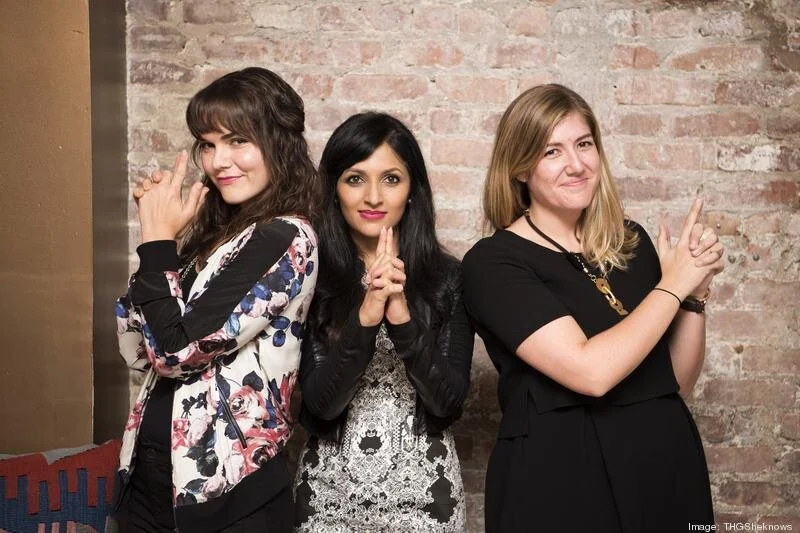
Pictured in the middle
BASED IN: NEW YORK
I am the founder of Studio 15, a fashion forward women's dress boutique at the intersection of philanthropy and style. Studio 15 is unique because we challenge the industry norms by cutting out the middlemen and reducing profit margins so we can offer significant savings to customers. Everything we carry is hand selected and we specialize in providing high quality, fashion-forward pieces at prices that are affordable to women from all walks of life. We empower women by donating proceeds to help female entrepreneurs in Uganda start their own businesses.
What is the best part about being an entrepreneur? What is the worst/hardest part?
Of course, following your dreams, having creative freedom, and building something from the ground up is very fulfilling. But in addition to that, one of my favorite things about being an entrepreneur is that you can make decisions quickly, implement change, and eliminate bureaucracy. That was always one of my biggest pet peeves when I worked for large corporations, so now that I’ve built a company culture that doesn’t allow for bureaucracy, it really stands out to me as a positive.
The worst/hardest part are the extreme ups and downs. Most people (including myself) don’t realize how much work goes into a startup, it really takes over your entire life. So when you hit milestones along the way it’s extremely rewarding, but most often you are working crazy hours with no pay, and hoping it will all work out, and that can be very demotivating. A lot of entrepreneurs have a very tough time dealing with these extremes.
Someone once said that you can’t tell your big dreams to small minded people. Do you believe that it’s a true statement? Why do you think that people close to us don’t often believe in our dreams / don’t understand what we are trying to accomplish?
That statement can be true about some people but not always. Often when people hear you are quitting a secure job to launch a company, they try and talk you out of it or think it’s a crazy idea that will never work. And that can be for a vast number of reasons, it can be because of their own life experiences, or their perception of entrepreneurship. And some people may just not get it, and that is okay too.
As far as people close to you not believing in our dreams, I’ve found there to be a positive and negative side to this. On the positive side, some people close to you worry about the long, tough road that entrepreneurship can be, and they try and warn you because they think staying in a secure job with secure paychecks will be better for you. On the other hand, some people project what they cannot do onto you. They can have a hard time picturing you doing something they can’t take the leap to do themselves. Or they simply can't be happy for you because they are not happy themselves. But the most important thing to remember in both cases, is that you need to have razor-sharp focus on your vision and work towards it.
How important is your network? Is there such thing as doing it alone? What is your view on “solopreneurs”?
Networking and your personal network are both extremely important. That saying “it’s not what you know, it’s who you know” really plays a large part when you start your own business. There is so much to do, in so little time, and with so little help; having connections or people around you that can nudge you forward really goes a long way for a small business. Doing it alone may be possible, although I’ve had a great support system in groups like Dreamers // Doers, and I couldn’t imagine not having that.
How do you contribute to the world? Do you belong to any organizations? Do you donate your time / money? Why do you think it’s important as a business owner?
Personally, I think giving back is extremely important as a business owner. If you have the means to help other people, you should, it’s pretty simple. Studio 15 donates proceeds from each sale to support women entrepreneurs in Uganda start their own businesses through a partnership with Kleos Microfinance Group. This allows women around the world that are in the greatest need of economic assistance to improve their living conditions and it greatly impacts their future. Similarly, we also donate to Women for Women International and sponsor one woman every year to put her through a training program that provides education and skills to transform her life.
A year ago we also starting donating to the legal defense fund for Adnan Syed, whose story became popular by the podcast Serial. We organized a fundraiser concert in New York last year and also sell #FreeAdnan t-shirts on our site, from which we donate 100% of the funds to The Adnan Syed Trust.
What is one (or more) piece of advice you can offer our readers and other entrepreneurs that are reading your interview? What is the most important to keep in mind?
1. Starting a business is a lot harder than you imagine it to be, so be prepared to work harder than you ever have and remain self-motivated. You will have to be your own biggest cheerleader.
2. Set milestones for yourself and celebrate each one you achieve. That is what success looks like in the entrepreneur world and all achievements, big or small, count.
3. Success involves failure. Even if it fails in the end (which it won’t, but let’s just talk hypothetically for a minute), all of the new skills you will have learned while running your own business will help you immensely in your career, so it will still be a huge win.