
Daphne Kasambala created a B2B e-commerce platform for modern African-inspired fashion, gifts and home decor
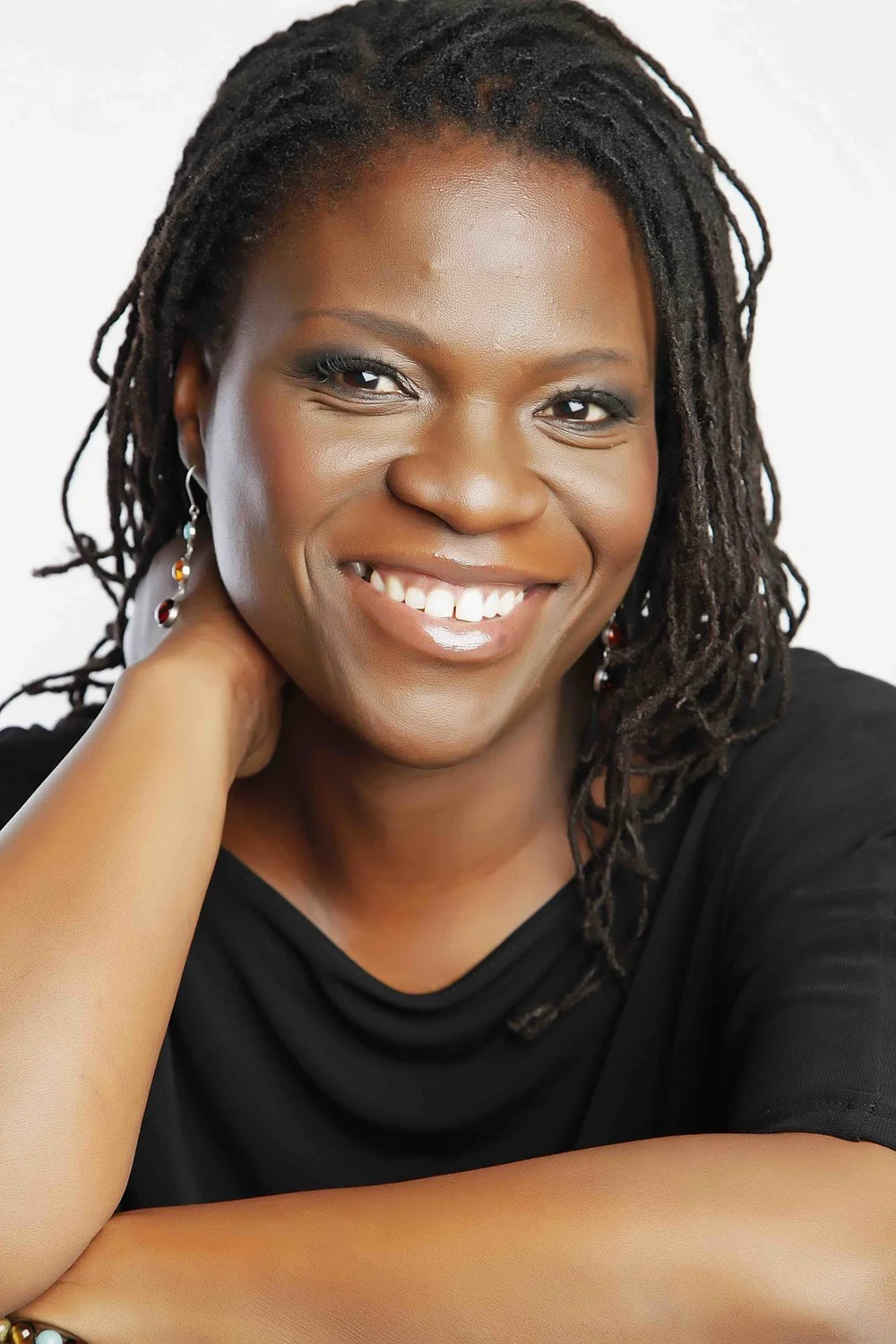
I'm the CEO of Sapelle, a B2C and B2B e-commerce platform for modern African-inspired fashion, gifts and home decor. I'm obsessed about finding creative solutions to the barriers preventing Africa's creative producers from participating in the global supply chain. We've been testing and developing a model that harnesses the tremendous skills of the producers, supporting them to adapt their products to market tastes, and selling them on our platform. I'm privileged to work with some of Africa's most talented creators and excited to share their work with the world.
I stay motivated by… Remembering who I'm here to serve: the skilled and amazingly talented African artisans and producers who are excluded from participating in the global supply chain. When my motivation tank is running low, I remind myself how much potential lies in opening up trade with the global market which will create many viable jobs and preserve our shared African cultural heritage.
Three adjectives that describe me are… Creative, tenacious, smart
If I could have dinner with one person it would be… Vera Chirwa, Malawi's first female lawyer and a life-long advocate for human and civil rights who continued to challenge the political establishment to change, from the pre-colonial freedom struggle to the modern day. I would love to have dinner with her because I am inspired by her unwavering dedication in the face of unspeakable hardship including being put on death row – she's a true African hero.
The most exciting innovation to me is… The mobile phone, because this simple communication tool holds the power to level the playing field for thousands of marginalised communities around the world. With apps facilitating inclusive finance, education, access to information, communication and so much more, we can finally begin to see socially impactful innovations flowing through to the grassroots.
What motivated you to become an entrepreneur? Is having your own business something you always wanted? How did you come up with your business idea? What inspired you?
Becoming an entrepreneur didn't feature in my career plan until I found myself frustratingly searching for ready-made authentic African-inspired clothing online and finding next to nothing, whilst discovering that there were plenty of designers and producers in Africa seeking avenues to reach international customers. I had also started to feel a strong sense that whatever I did next would have to do with to challenges faced in the African fashion sector. The biggest trigger came when a high street brand launched a capsule collection inspired by Africa but with no African input – when I saw that there was an appetite for these products, I felt I simply had to get involved in building bridges for African players to get involved.
What were you doing before this? How did it prepare you for the entrepreneurial life?
I worked in the banking sector. My last role was as a Director, managing a portfolio of leveraged corporate investments – a job that required a great deal of due diligence and understanding of the portfolio companies and their activities. I managed European retail, manufacturing and e-commerce corporates, gaining valuable insights into the critical success factors learning some fundamental strategy principles and other operational management lessons that I apply in my life as an entrepreneur.
Do you have a fixed work routine? Is it important to have one? Any tips for our readers?
I perform best when I'm working to a routine, starting early and making that first hour of my day count. My tip is to start the day with clear and strong intentions. I am a fan of exercise and meditation and use that time to clear my mind and set my goals – with those done, I'm energised for the rest of the day. I also live by my lists – I have weekly tasks and daily ones which I tick off as I complete them.
What do you think is the biggest obstacle for female founders? How can we overcome it?
Access to funding – it's a global problem. We need to see more female-focused angel investors, incubators, VCs and even grants, and more platform like this one that promote female founders and chip away at the collective mindset that we're not ambitious, capable or worthy of investment. We also need to recognise the slightly different elements faced by most female founders such as childcare demands, and see those as part and parcel of their daily lives, not as a negative attribute.
Has anyone underestimated you as a female entrepreneur? If yes, how did you handle it?
I came up in a very white male dominated industry, so being underestimated came with the territory and I learned to find ways to find my voice, stay authentic and navigate through it. Sometimes I find myself being motivated further when I know I'm being underestimated. It's my fuel.
How do you generate new ideas to stay relevant on the market? Is it important to innovate in your space?
I ruminate, research and brainstorm. Innovation is important– this sector is known for its unsustainable and unethical practices, and the public is seeking better from us. It's the right time to innovate across the entire supply chain and I believe those that innovate with better and more inclusive models will thrive in the long run.
What are your short/long term goals?
At the moment we're rolling out our B2B e-commerce platform – and our goal is to have it fully up and running by the end of the year. Long term, I'd love for Sapelle to be the leading destination for global customers and independent retailers seeking beautifully-made modern African fashion and lifestyle products, with thousands of producers engaged in the creation of these products in a fair and ethical way.
What sacrifices have you had to make to be a successful entrepreneur?
I've sacrificed sleepless nights, time with family and friends and the certainty and security of a regular income. For the vast majority of us, the entrepreneur lifestyle is not as glamourous as it appears.
Who is the one super successful person you look up to? Why them? Can you share their quote/ideology that inspires you the most?
I love Oprah Winfrey's style of success. She's the epitome of a self-made woman and she wears her success with such ease and humility, and remains grounded, always seeking to grow and learn – and to share that growth with others. Not only that, she uses her success to help others. One of my many favourite quotes from Oprah Winfrey is, “Challenges are gifts that force us to search for a new center of gravity. Don't fight them. Just find a new way to stand.”
What is one thing you find to be true that most people would disagree with?
Most people believe that, as entrepreneurs we must always present our best side, keeping the struggles hidden. I believe that being open and honest about the 'ugly' side of entrepreneurship, as well as the good bits, can lead to beneficial outcomes like great advice, offers of help, introductions and other unexpected things.
What is your biggest dream? Why? Describe your biggest vision for your business.
My biggest vision for Sapelle is for it to thrive for many decades and create thousands of sustainable jobs around Africa, finally unblocking the blockages that have prevented grassroots producers from connecting with the global retail marketplace.