
Stellia Labs, founded by Stephanie Newman, helps young businesses drive growth through content
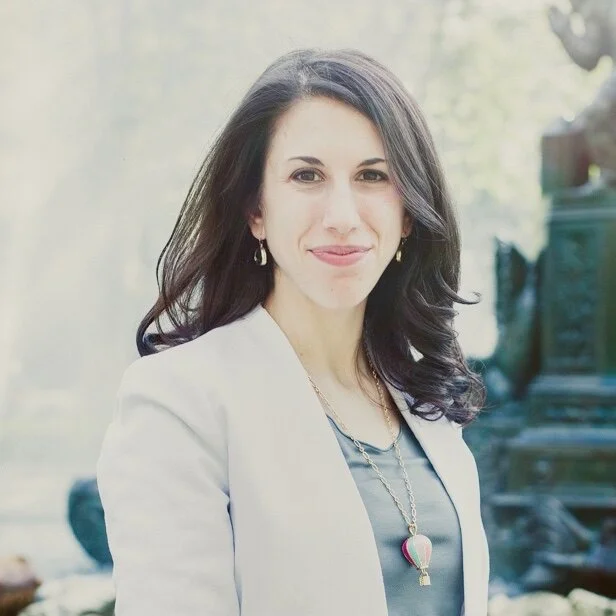
Stellia Labs helps young businesses drive growth through content. We work with clients across fashion, tech, and wellness to define their target user base and build out content strategies that add value to those customers. In other words, we determine which topics and formats clients should leverage, where their content should be distributed, and how they can stay true to their mission as they scale.
What do you think of the stereotype that entrepreneurs are workaholics?
It’s almost impossible not to be! When I first took the plunge, my run rate took over my brain. I was bootstrapping my business, so if I didn’t start signing clients, I would have run out of money. This feeling, that you’re at a constant deficit for time, translates into workaholism. The same thing is true, I imagine, for entrepreneurs who have raised capital – except that they have the added pressure of investors who are expecting a return! That said, I think the constant working grows less intense over time (at least for bootstrapping solopreneurs), as financial stability becomes more of a reality. I used to feel guilty about working 60 hours a week because I didn’t think that was enough. I had friends who were clocking in 90 hours a week. But the cost of working non-stop was far greater than the benefits – I was so tired and burnt out that I started losing faith in myself. Now that I prioritize my well-being, I’m more creative, curious, and intrinsically motivated.
Is there one “rookie mistake” that new entrepreneurs keep on making? What is it? Did it happen to you?
Oh gosh. There are many mistakes I made. The most obvious, in retrospect, was not sticking to my original pricing. When I had trouble landing clients in the beginning, I started lowering my rates to win business. At that point it’s a race to the bottom, and it backfires: clients assume your services are lower-quality, and you start to resent the work because you feel underpaid. So I would say, for service businesses, stay clear and confident in the value of what you’re offering. If you’re patient and determined, you will cut through the clutter and find prospects who are great fits and willing to pay for quality.
What made you choose this type of business? Why? What other markets are you interested in?
Oh, there are many reasons! The first is that I love getting a bird’s eye view of businesses. As a strategy consultant, I get to solve hard problems and boil down complexity into manageable chunks. That’s always a challenge I savor. I also very much appreciate the opportunity to work with a lot of different people at once. I meet so many new business owners every week through networking events, current clients, fellow entrepreneurs in the community… I’m constantly exposed to new ideas and ways of approaching business.
What is one thing you find to be true that most people would disagree with?
This is specific to service businesses: Don’t narrow down your target market until you’ve been running your consulting business for a full year. If I had listened to some advice-givers early on and honed in on one specific niche, I would have missed some incredible opportunities that actually illustrated to me what my niche should be. I do think it’s important to choose a narrow target market – eventually. Not on day one. Or day ninety.
How has being an entrepreneur affected your life? How did it change the way you think about life?
Well, I studied poetry in college. All my life I’ve been a writer and someone who thrives in creative environments, so my interest in business – especially in starting my own – has surprised a lot of people. What I’ve figured out is that both pursuits have something in common: the act of creation. When you’re writing a poem or a short story, you’re world-making. You’re building a new reality on the page, and this written world has its own characters, rules, storylines. You do the same thing as an entrepreneur. You bring to life this business that has its own mission, norms, settings, conflicts, characters. I say this because being an entrepreneur has helped me embrace all my seemingly disparate experiences throughout life. Almost nothing, I’ve learned, ends up being irrelevant.