
Sandra Nomoto tells stories of a game-changing, socially and environmentally conscious companies
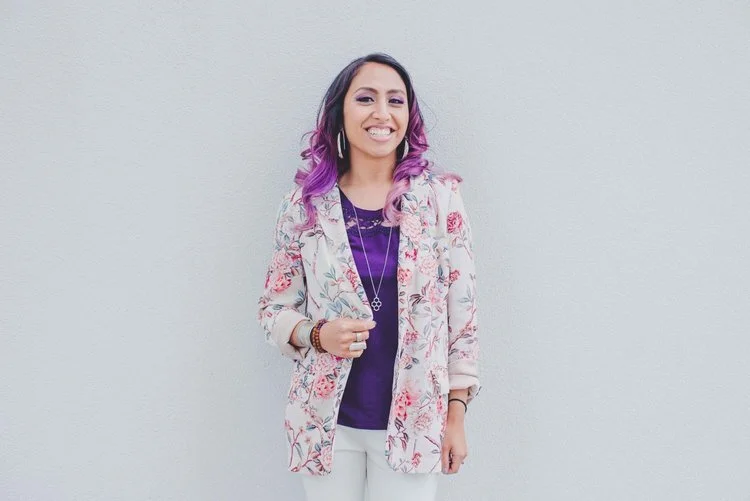
BASED IN: VANCOUVER, BRITISH COLUMBIA, CANADA
Four years after starting my PR business, I was spiritually inspired to rebrand into a company that represented my personal values. The result of that is Conscious Public Relations Inc., where we help game-changing, socially and environmentally conscious companies tell their stories in all types of media, including social. We’re also a virtual PR agency, so we don’t rely on office space or meeting offline (though we love meeting at cafes or our clients’ work spaces!). We are the fourth PR company in Canada to have obtained B Corporation Certification – we tell stories and use business as a force for good.
What is your proudest accomplishment so far when it comes to your business? What helped you get there? Was this accomplishment a clear goal or did it happen by chance?
My proudest accomplishment in business in obtaining B Corporation Certification in May 2016. It took 18 months from first completing the B Impact Assessment to obtaining the certification, but it was well worth the time. We prove that we walk our talk in terms of values, and join over 1800 companies around the world who are using our business as a force for good. I completed the Assessment on my own and with the help of a Standards Analyst at B Lab, but one of the things I did to earn points was form a Board of Advisors in 2015.
Who/What inspires you?
People. My staff, and the many, many people who are running social and environmental businesses that are changing the world for good and saving the planet. I believe that good businesses (and the people who run them) are what’s going to turn things around.
Do you believe that there is one specific formula for success? What does it mean to be a successful business owner?
There is no formula for success, because success for every business looks different. What being a successful business owner means to me personally is being profitable, having impact, building and nurturing a good team, and supporting myself and the lifestyle I want to live.
What does it mean to have competition/competitors? Do you compete/collaborate or just observe? What is the best practice to approach your competition?
I totally believe in collaborating with competitors, and this is easy to do in the age of social media and being able to find your competitors online. In our industry, there are many PR companies but we each serve our own niche so getting to know others as colleagues can help us refer each other business when potential clients approach us who aren’t a good fit. I’ve been on the receiving end of a few great PR professionals who’ve passed on clients to us, and also collaborated with a few on the same project so that our complementary strengths serve the client in the best way possible.
How as being an entrepreneur affected your life? How did it change the way you think about life?
Being an entrepreneur has definitely made me a stronger, more resilient person. When I started, I was good at what I did, but not good at running a business. I’ve learned a lot in the last 8 years and am still learning. Entrepreneurs learn that you can never rest on your laurels and always have to keep looking ahead and at the present moment at the same time. I’ve learned that this is how you have to look at life – you never know what’s going to happen, so you have to be content in the now and take each challenge with dignity and determination.
Do you have hobbies? What are they? Is it important to take “time off” and focus on other things such as friends, family, hobbies etc.?
My hobbies include yoga, running, meditation, watching film & TV, cooking and baking, and eating out. Absolutely, focusing on friends, family, and the substance that makes life worthwhile are important. While I generally reserve weekends for this quality time, entrepreneurs’ schedules can also look radically different and so “time off” looks different for everyone.
What is the scariest thing that happened to you while being an entrepreneur (that you can share)? How did you overcome it? What did you learn?
The scariest thing that happened to me seven years ago was when I outsourced a service that was outside of my skill set and put in into a client’s contract. When the service failed due to technical issues, the client yelled at me on the phone and threatened to sue me for thousands of dollars. I learned two things from that experience: Never to overpromise something that I could not deliver, and that it was time to incorporate and protect myself from these types of business situations.
Is there one “rookie mistake” that new entrepreneurs keep on making? What is it? Did it happen to you?
I think that a rookie mistake that new entrepreneurs make is spending too much of their revenue and not keeping in mind taxes and future investments in things like professional development and staff. I’ve been lucky to never have a negative bank balance, but I’ve learned that hard times can hit anytime, so being profitable doesn’t automatically mean a cash bonus for myself.
What is failure?
Failure to me means not having your expected outcome occur. I’ve learned that running your own business comes with failure, so you have to be pretty comfortable with it.
Why do you think it is that women get less funding than men? What can we do to change that and close the gender gap?
I think that the question of why women get less funding than men is a very complex one to answer, but what I think we can do to change that is support one another as women entrepreneurs, do our research, and back up our arguments with fact. I think women also have to be honest about where they want to work and the values behind those companies.
What are some pros and cons of having (OR not having) entrepreneurial parents?
I did not have entrepreneurial parents, so I didn’t have them to rely on for business advice. However I was lucky to have a sister who became an entrepreneur and she was the person who inspired me to be one. I think that having this career journey instead of more traditional ones that my parents had is definitely more unpredictable, but it has given me more creativity, resilience, resourcefulness and innovative drive than if I had taken a more traditional career route.