
Empowering Change in Mental Health and Entrepreneurship with Dr. Stephanie J. Wong Who Specializes in Addictions, Relationship Concerns and Cultural Competence
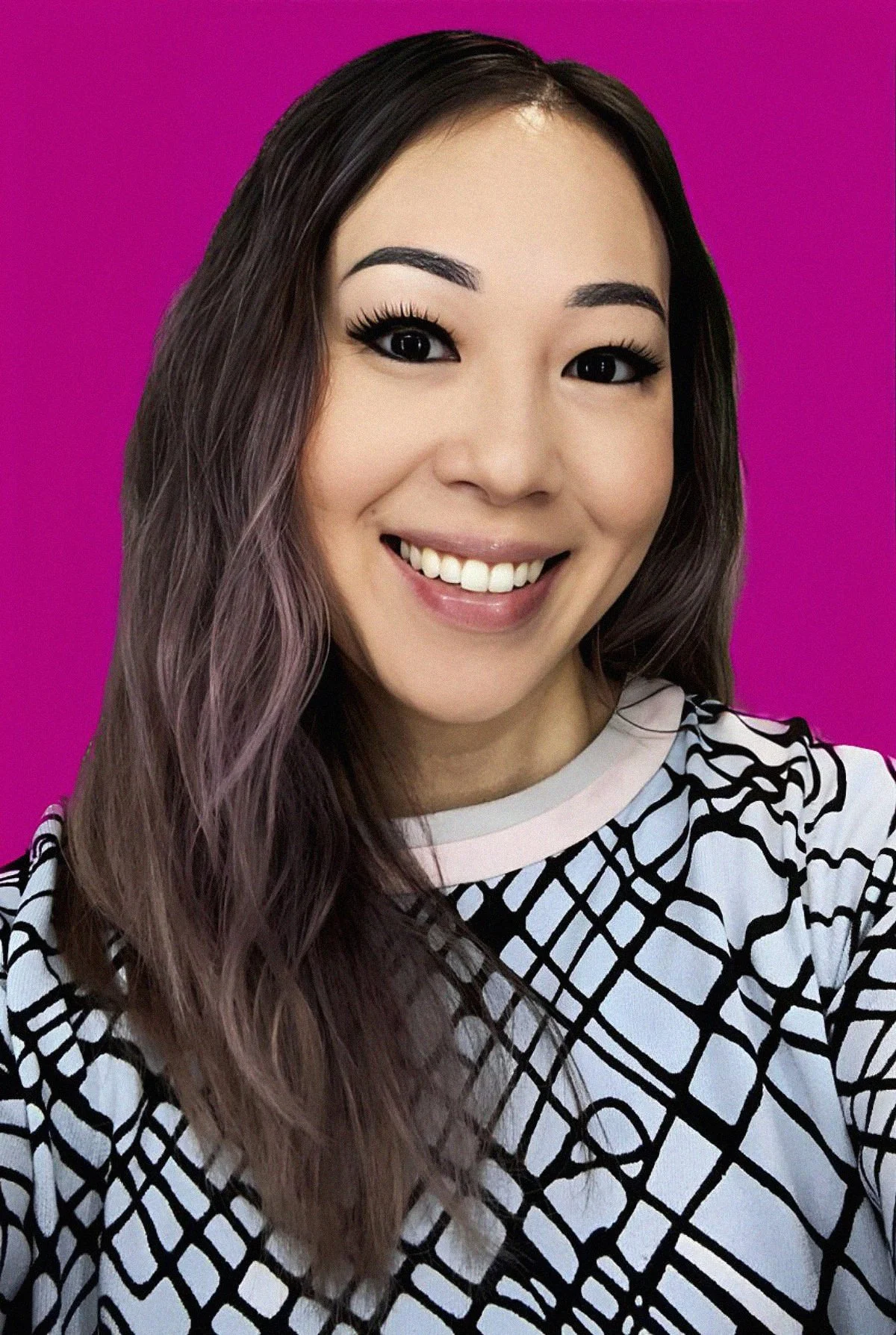
Hi, I'm Dr. Stephanie J. Wong, a Clinical Psychologist and Therapist of Color based in the Bay Area. My journey in psychology has uniquely equipped me to connect with clients like you. I provide high-quality counseling and psychotherapy, specializing in the treatment of addictions, as well as social, relationship, cultural, career, and mood concerns. I am passionate about working with diverse populations, including Asian Americans, Black/African Americans, and military veterans.
My interest in psychology was ignited by observing a troubling trend in my Asian American community: many individuals were hesitant to seek help for stress, sadness, and academic pressure. This reluctance wasn’t due to a lack of financial resources but rather the fear of "losing face" by seeking professional support.
A pivotal moment in my life occurred during high school when our community was shaken by the tragic loss of a student to suicide. This heartbreaking event made it clear that depression transcends demographics, affecting people across all backgrounds. It reinforced my belief that mental health services must be both accessible and de-stigmatized. Motivated by this realization, I declared my major in psychology, which set me on a path to helping others.
During my graduate studies, I discovered my true specialization while working at a co-occurring disorders clinic. There, I supported individuals struggling with substance abuse and mental health issues, including a specialized treatment track for clients identifying as Lesbian, Gay, Bisexual, or Transgender. This experience deepened my commitment to serving diverse populations facing challenges related to sobriety, mood, and identity.
Now, as I work at a veterans hospital, I’ve developed expertise in Vocational Rehabilitation, assisting clients in overcoming chronic substance use, unemployment, mental health struggles, and relationship concerns. I consider myself to have the most “un-selfish-selfish job” because I am honored to be part of my clients’ transformational journeys.
I understand that the stigma surrounding mental health treatment can make seeking help feel daunting. Many individuals who struggle with this hesitation need a provider who truly understands their concerns and experiences. Together, we can work through these challenges and help you achieve your mental health goals!
Is it important to have mentors and mentor other people? Why?
Absolutely! Mentors have been integral to my career. My best mentors have been collaborative and willing to open doors for me to new opportunities, such as networking with other helpful professionals. There is also a positive psychological aspect of having someone believe in you, as demonstrated by putting their reputation on the line for you (e.g., introducing you to their mentors, colleagues). A mentor is a supportive guide to turn to when you feel lost; someone who offers his/her perspective to advance you towards your goals.
In return, being a mentor is a way to ‘pay it forward.’ When you invest in someone else and see them succeed/reach their goals even in the face of adversity, it changes that specific person and a great many others who this person interacts with.
Why do you think now is the time to be a female entrepreneur? Do you believe that times are changing for the better? Is it harder being a female entrepreneur or do you think it doesn’t really matter?
More and more strong, entrepreneurial women are sharing their voices/opinions, which pave the way for other women in business. My favorite quote from Kamala Harris (first female and mixed race Attorney General of California) via her mother, “You may be the first to do many things, but make sure you’re not the last.” Times are slowly changing for the better as more women and men advocate for equity. It is more difficult being a female entrepreneur because we are not members of the privileged majority nor are we necessarily seen as equals in the business world (e.g., equal pay is not a widespread policy). With that being said, I strongly believe that the more women embrace their authentic selves, strive to break barriers, assert themselves, and increasingly become represented in leadership roles, we are/will move towards equity.
Is it important to dream big? What is the big dream for your business?
Absolutely! I want my children to know that you can dream big and accomplish your goals as a strong woman! My big dream for my business is to work with Dr. Drew (just kidding)…Well that would actually be a dream come true…In essence, I would like to provide my perspective on a variety of psychological topics—I envision sitting on the show, Doctors where more information could be disseminated to encourage people to make changes, and to provide hope to marginalized individuals that help is out there. I would like to spread the main message that mental health is extremely important to overall health and wellness. We live in an interesting time where information is so easily accessible, but yet, talking about mental health in the media is oftentimes in response to tragedy. Talking about self-growth and/or preventative treatment (e.g., mindfulness and meditation) may benefit many lives, assisting people to manage stress and calm their minds in a hectic, fast-based world.
What does success mean to you? What does it mean to “be successful”? Can it ever be fully achieved or is it something that comes and goes?
Success is doing something that challenges me and provides me with the ability to provide for my family and enjoy leisure activities. Success is not a static, fixed-stated, but a continual process of meaning-making, learning, and self-confidence, even in the face of disappointment. It is the ability to elevate your knowledge, abilities, skills, and compassion towards self and others, in addition to mentoring others to strive towards self-growth.
Why do you think that female owned businesses are a VERY small percentage (that has not been growing) of businesses that get funded by venture capital? What can we do to change that?
For one, we need diversity among decision makers that reflect the growing demographic of female entrepreneurs; there are times when female entrepreneurs don’t ask for funding because they don’t see their identities represented among the funding source. This brings up the question, “Will my input be weighed with equal consideration to partners’ opinions? “ Furthermore, limited female venture capitalists/advocates of female owned businesses, may create a barrier to challenging the status quo.
Socio-culturally, many women are also sent messages that they may internalize—“be assertive, but not ‘bossy.’ If you are a successful business woman, you cannot have a family. If you have a family, you are not as ‘dedicated’ to those who are not primarily responsible for one’s family.” Furthermore, if funders covertly or overtly hold these views, this may lead a female-owned business to be rated less favorably than a male-owned business.
Change can take place, but it will not only require advocacy on the part of women, but from the majority as well, using their privilege to encourage and implement equity.

Inspired & Ready to Level Up? Get A Mentor, Change Your Life.
After immersing yourself in the transformative stories of visionary female founders on WERULE, it’s time to elevate your journey to new heights. Imagine a world where ambition meets unparalleled guidance—our network of advisors is your gateway to that reality. Handpicked for their brilliance and success, these mentors are ready to empower you with strategic insights and bespoke support tailored to your aspirations. Don’t just dream big; take action and connect with the minds that are shaping the future. Your empire awaits—explore our advisors and unleash your potential!
Or click here to learn more about our work as we’re on a mission to make mentorship accessible to everyone around the world.