
The Emotional Architecture of Home with Kanika Bakshi Khurana
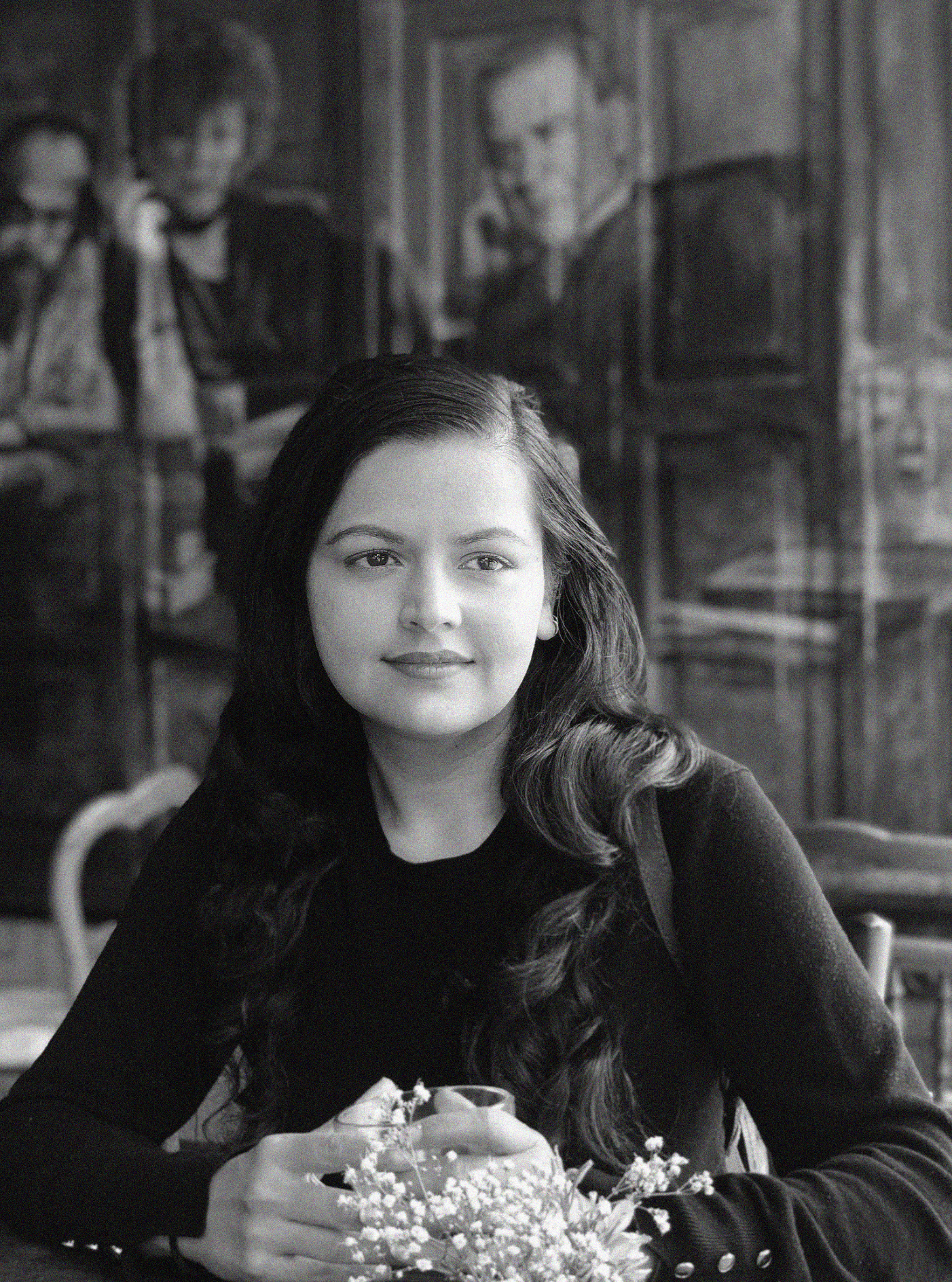
There is an art to transforming four walls into a sanctuary, one that requires far more than curated upholstery or seasonal color trends. True luxury residential interior design relies on emotional connection, capturing the quiet dialogue between a physical space and the soul of the person who inhabits it. At the forefront of this movement is Kanika Bakshi Khurana, Founder and Principal Designer of Kanika Design. Named the Best Interior Designer of 2025 in the San Francisco Bay Area, Kanika has spent nearly two decades mastering the delicate balance between daring creativity, structural precision, and effortless functional living.
Born in India, raised in the Bay Area, and having traversed more than 64 countries, Kanika draws from an extraordinary well of global perspective. Her work, alongside her acclaimed video series Design Hopping with Kanika, treats interior architecture as a living tapestry of culture, craftsmanship, and fearless color. Whether reimagining high-end San Francisco estates from concept to completion or unearthing regional design traditions across the globe, her firm has built an international reputation for designing spaces that feel as warm and personal as they are visually arresting.
In this profile, Kanika reflects on the personal sparks that ignited her firm in 2008, her philosophy on founder fulfillment, and how immigrant resilience and global heritage shape the spaces we call home.
What frustration, gap in the world, or personal need sparked the initial idea for your business?
My interest in interior design began while living in my parents’ home. I was always rearranging furniture, reorganizing décor, following design trends, and imagining how each room could feel more inviting and functional. After graduating from San Francisco State University, I decorated my first apartment and realized that transforming spaces was more than a personal interest, it was the work I wanted to pursue.
I also recognized that homeowners needed more than attractive design ideas. They needed someone who would listen carefully, understand how they lived, and guide them through the many decisions involved in transforming a home. That realization inspired me to establish Kanika Design in 2008. My goal was to create a full-service firm that combined bold creativity with personal attention, practical functionality, and dependable project support from the initial concept through completion.
What is your “unwritten rule” for defining a successful and fulfilling life as a founder?
My unwritten rule is that success should improve your life, not completely consume it. Building and operating Kanika Design since 2008 is one of my proudest achievements, but I do not measure success only through revenue, recognition, or the number of completed projects.
Success means creating work that is personally fulfilling and genuinely valuable to our clients. A project feels successful when the finished home is beautiful and functional while also reflecting the client’s personality and story. Being recognized as the Best Interior Designer of 2025 in the San Francisco Bay Area was meaningful because it reflected the trust people placed in our work.
However, fulfillment also requires time for health, relationships, travel, creativity, and personal growth. I have learned that protecting these parts of life makes me a better designer and business owner. A successful company should support a meaningful life rather than become the only part of it.
Beyond your company, what is the larger change or impact you hope your work creates in the world?
I hope my work helps people understand that interior design can meaningfully influence how they live, feel, and connect with their surroundings. A thoughtfully designed home is not simply a collection of beautiful objects. It can support daily routines, encourage connection, provide comfort, and allow people to express their identities.
Having been born in India, raised primarily in the Bay Area, and travelled to more than 64 countries, I have seen how culture, craftsmanship, color, and tradition shape the experience of a space. Through my work, I want to demonstrate that different influences can be combined thoughtfully to create homes that feel distinctive, personal, and welcoming.
I also hope my journey encourages other women and immigrant entrepreneurs to trust their creative perspective. Our backgrounds do not limit our professional identities; they can become a valuable source of ideas, empathy, and strength. If my story gives another woman the confidence to build something meaningful, that would be an important part of my legacy.
Double-click to edit...