
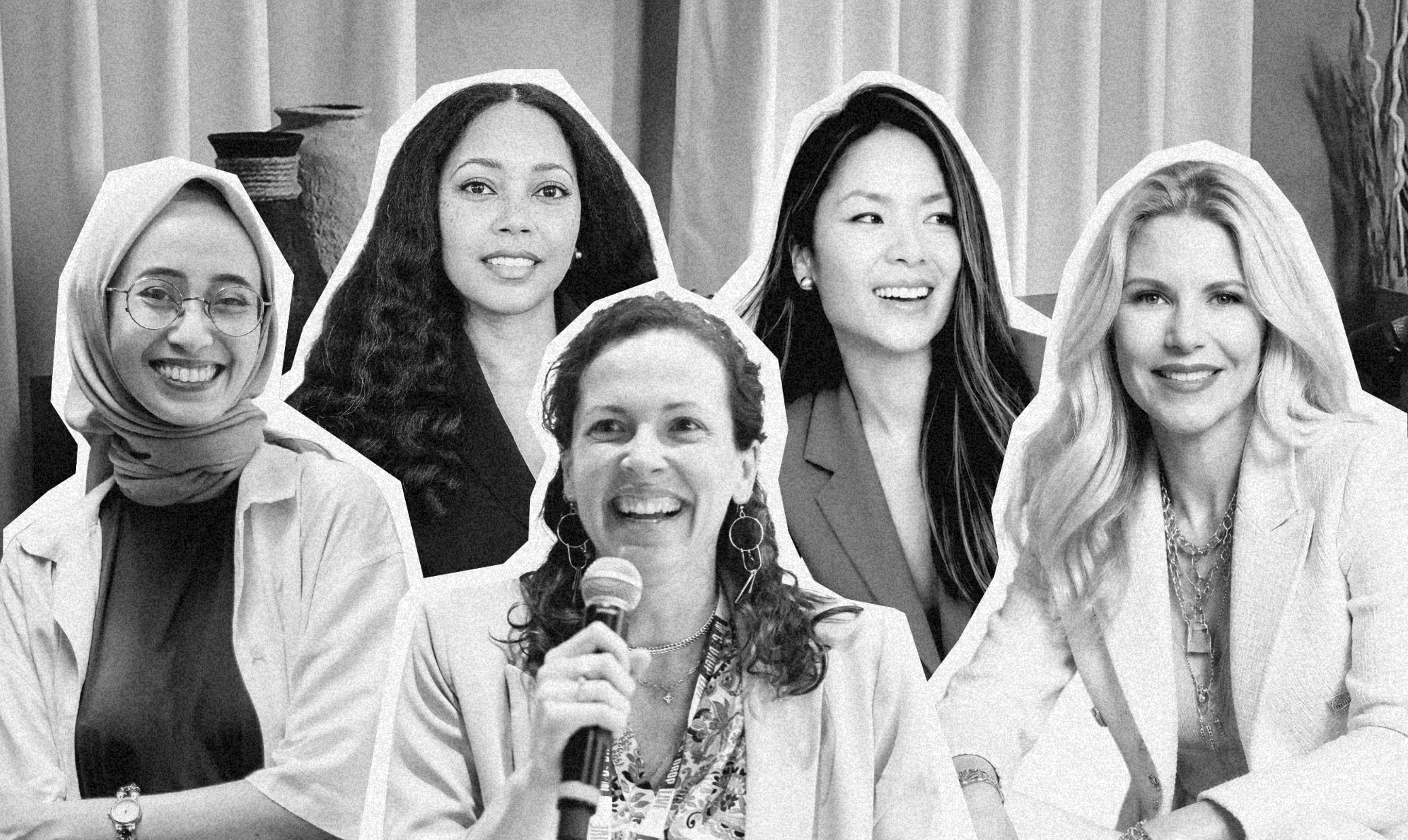
Founders Reveal the Setbacks That Catalyzed the Most Success for Them
Every founder has a moment they'd rather forget. Maybe it was a failure that stung or a setback that made them question everything. But ask any successful woman to trace the real turning point in her business, and more often than not, she'll point straight back to that moment.
We connected with members of the Dreamers & Doers community to peel back the layers of the setbacks that ultimately catalyzed their biggest success—and the lessons they now carry with them into every new challenge. Their stories are candid and hard-won, a testament to the fact that setbacks aren't the opposite of success. Sometimes, they’re the very thing that makes success possible.
Wherever you are in your own journey, we hope these reflections remind you that the hardest moments can hold the most potential.
Ghalizha Izzaty
Founder of Doc Day Afternoon, a systems and operations partner for growing teams that helps leaders build structures, documentation, and shared context.

Photo Credit: kemspic
A few years ago I hosted a webinar that just didn’t land because I was trying too hard to make it perfect. For years—and especially as a non-native English speaker—I thought perfection would protect me, so I over-prepared, over-rehearsed, and over-polished everything to earn my place in the room. It took me a while to realize that the things I thought would make me come across as more credible were sometimes making it harder for people to connect with me.
Now, I try to remember that imperfection can actually be a gift to others. When you’re willing to show up before you have everything figured out, you give people permission to do the same. When I hit a setback, I try not to perfect my way out of it. I focus on what I can learn, make the next move, and let people see the process. I’m better at what I do because I stopped trying so hard to prove that I belong.
Kellie Chen
Co-Founder & Head of Brand Strategy of 8Rue, an award-winning branding agency helping emerging beauty, health, fitness, and CPG brands grow.

Photo Credit: Kevin Vu
Saying no to a client is still one of the hardest things for me and my team to do. For years, every new client felt like growth—until a few “wins” stretched far beyond scope and took more than they added. That forced us to become much more selective about where we invest our time and expertise. Ultimately, that led us to fewer, deeper partnerships where we can create significantly more value. We learned that every yes takes up space, but that only some wins move you forward.
Since then, we’ve stopped asking, “Can we do this?” and started asking, “Should we?” Just because an opportunity is good doesn’t mean it’s right.
Nicole Leon
Founder of L Leon Virtual Assistance, providing high-level virtual and executive support with genuine care.
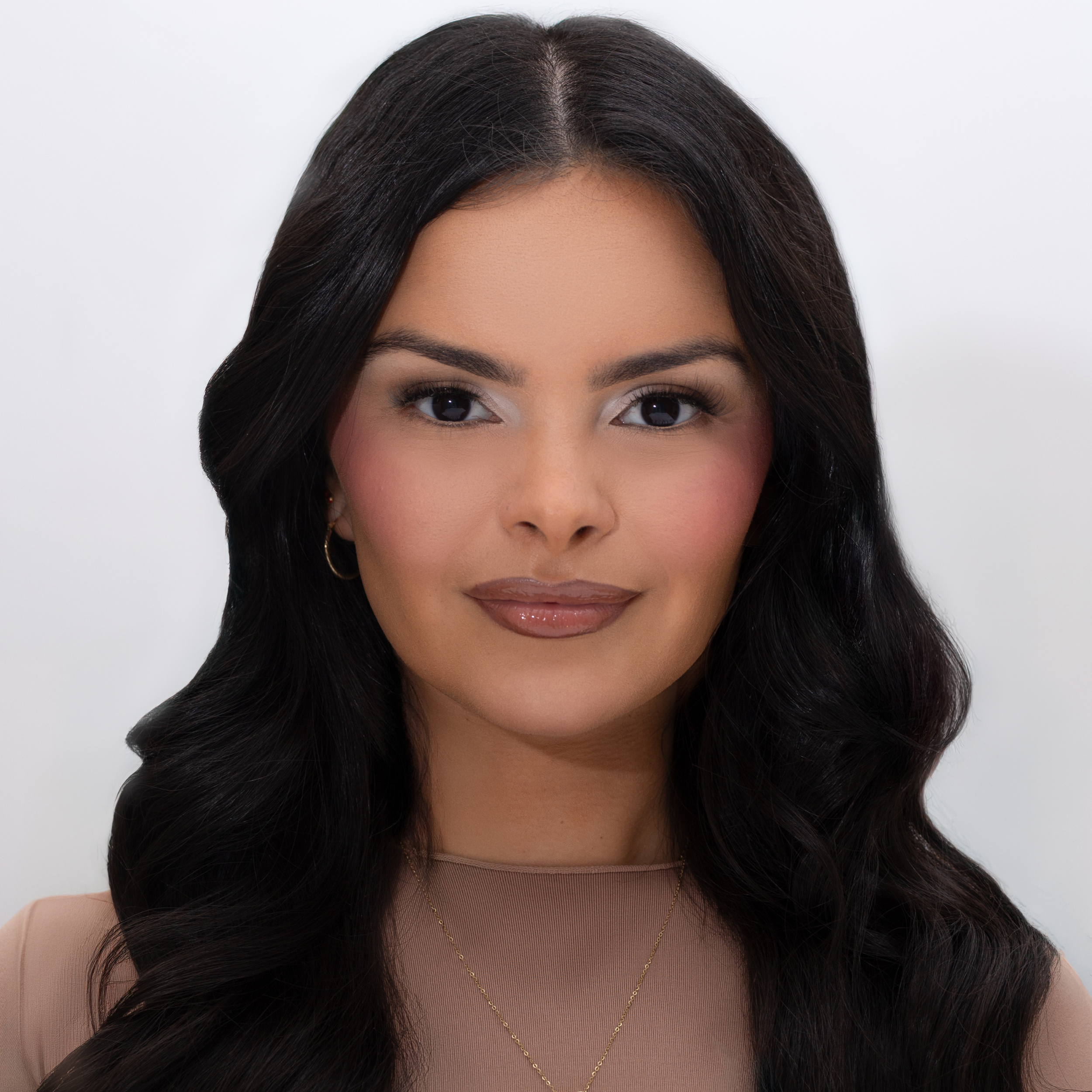
Photo Credit: Samantha Fandino
At some point along the way, I realized I had become the bottleneck by saying yes to work that wasn't aligned, undercharging for the level of value I provided, and trying to prove myself by doing everything instead of building a business around my expertise. Learning to narrow my offers, set stronger boundaries, and position myself as a strategic partner rather than "just" administrative support completely changed the trajectory of my company and allowed me to attract clients who value long-term partnership over task completion.
Now, whenever something doesn't go as planned, I ask myself whether it's an invitation to evolve rather than a sign that I'm failing. The biggest breakthroughs in my business have come from refining, not retreating. Thanks to this lesson, I trust that every challenge is pointing me toward a stronger, more sustainable version of what I'm building.
Brittany Martin Déjean
Speaker & Coach of FOMU to Flow, helping high achievers interrupt patterns of overthinking, second-guessing, and self-punishment tied to their Fear of Messing Up.
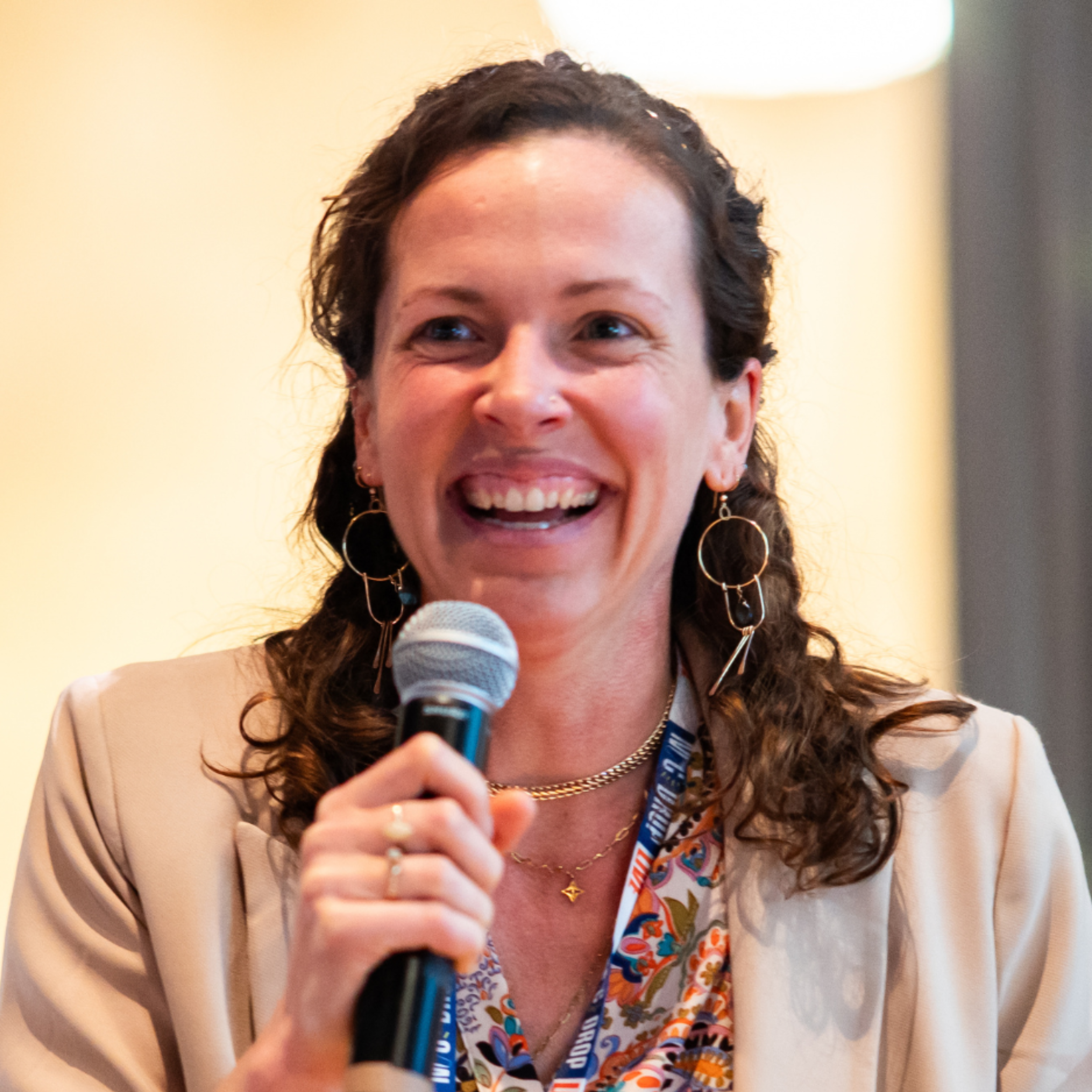
Photo Credit: Mic Drop Live
I quit my corporate job with a crystal clear idea of the company I was building next, but I was scared of who would get mad at me. On top of that, the business wasn't even going anywhere. It was a scary time. During this period, I heard a speaker talk about the importance of knowing our true nature, and it occurred to me that I didn't actually know who I was. Answering that question is the reason I even have the business I do today. It empowered me to see what at first seemed like my failed attempt as something much bigger: a stepping stone.
As a result of this experience with navigating a setback, I always ensure that I am operating from alignment before doing anything else. Then, if something goes wrong, I ask myself, "What is this here to teach me?" This is a huge improvement over beating myself up, which was my course of action in the past.
Sydney de Arenas
Founder & CEO of The Hive, the behind-the-scenes growth machine for women founders building what’s next.
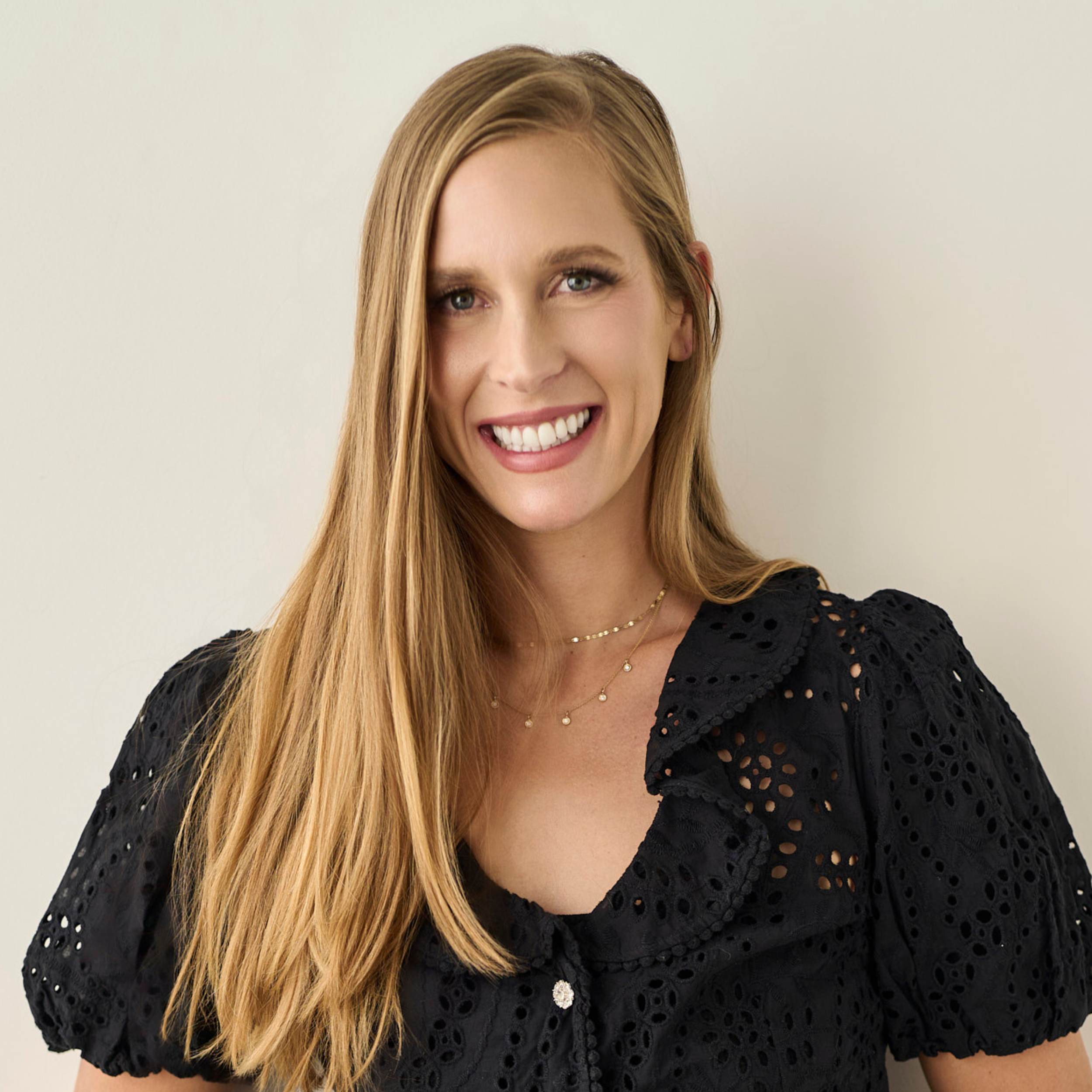
Photo Credit: Sydney Sherman
One of my biggest failures was choosing the wrong business partners. They lost most of our book of business, and I was left rebuilding almost from scratch after their abrupt departure. The upside was that rebuilding gave me the chance to rethink how The Hive was structured instead of simply recreating what we had before: a model that had become overly dependent on me and was a big reason I brought on business partners in the first place. In the new iteration, clients choose the level of support they actually need, giving The Hive more ways to grow without simply selling more of my time.
Business owners have to be resilient. Sometimes, this might mean crying it out, stomping, and screaming, but then you have to get back up. One of my favorite ways to think about this comes from Theodore Roosevelt: the credit belongs to the person who is actually in the arena, willing to fail, get knocked down, and dare greatly, anyway.
Michelle Bernier
CEO of The Right Room, an event production and community strategy company that turns rooms full of investors, founders, and executives into real relationships and real deals.

Photo Credit: Forbes 30 under 30
When I started working at venture capital firm Liberty Ventures, it felt like a major setback that I didn’t come from a traditional venture or finance background. I didn't have the pedigree or the built-in network that background usually provides, so I had to build my own from the ground up, which is exactly what led me to create a community of 29,000 investors and executives—and eventually to launch The Right Room.
Not having the "traditional" path means I have to build my own version of it. Whenever I hit a wall now, I look for the workaround instead of assuming there's only one way in.
Suze Dowling
Founder of The DTC Operator, a practical resource for ecommerce founders, offering downloadable templates, playbooks, and decision-making frameworks.
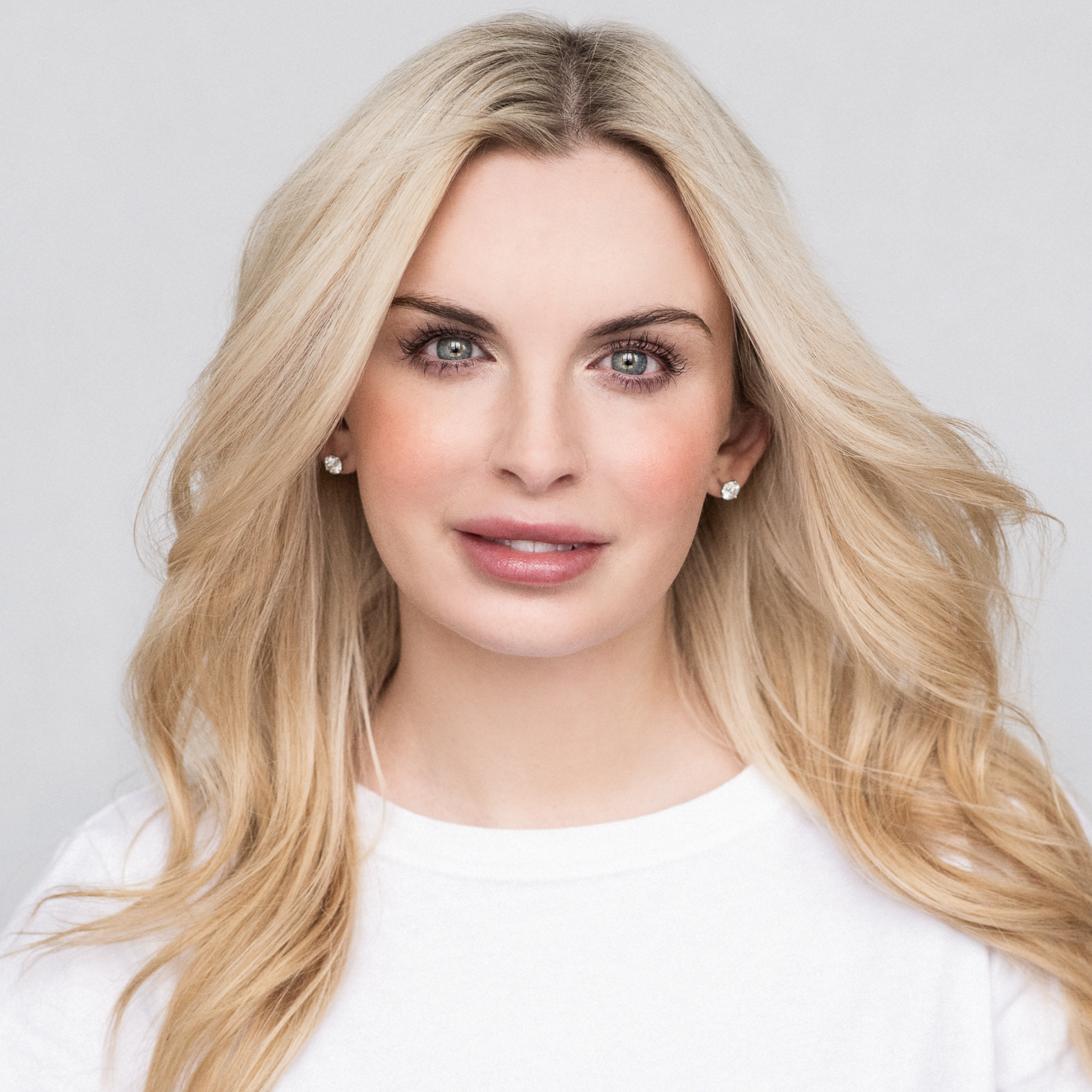
Photo Credit: Suze Dowling
One of my earliest brands failed. It was painful at the time, but it forced me to rethink almost every assumption I had about launching and scaling a business. The brands that followed were stronger because of those lessons, and today they're the foundation of every playbook and framework I share through The DTC Operator.
I try not to fall in love with my own ideas. The goal isn't to prove I was right; it's to build the best business possible with the information I have today. Sometimes, that means doubling down—and, sometimes, it means having the courage to let something go.
Catalina Parker
Founder of Relatable Nonprofit, helping current and former nonprofit professionals build sustainable consulting businesses through better positioning, pricing, marketing, sales, and business systems.
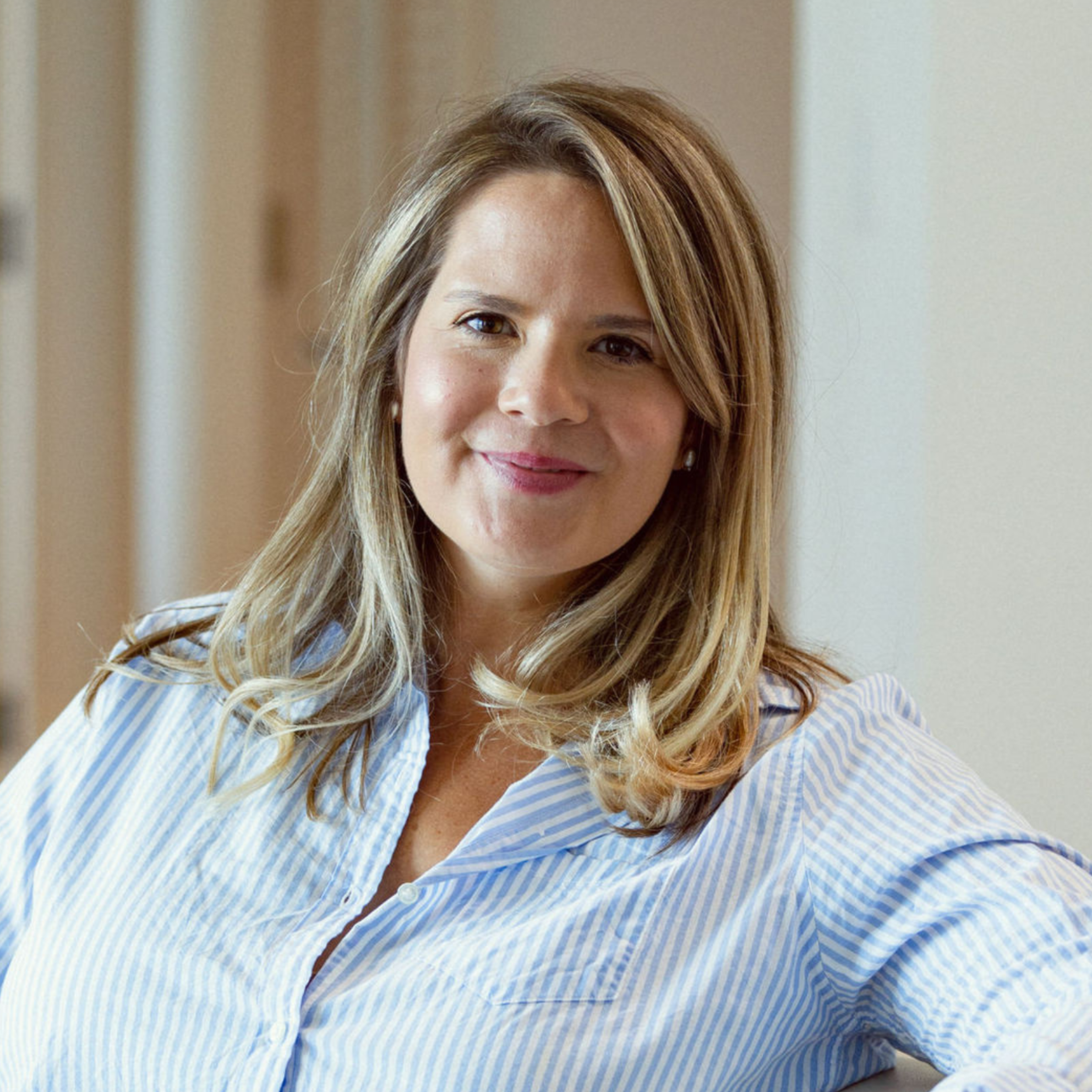
Photo Credit: Maxson Media
When my business partner of nearly five years—who also happened to be one of my closest friends for more than a decade—told me she wanted to leave, it felt like both a business setback and a deeply personal loss. After grieving, spiraling, and playing the blame game, I realized it was also an opportunity to rebuild the business around my own vision. It forced me to trust my leadership and get clear about what I wanted to create on my own.
After weathering that, I know I can move through hard transitions without knowing exactly how everything will work out. I listen inward, trust myself, and keep moving forward with the belief that the setback may be redirecting me toward something better.
Lona Vincent
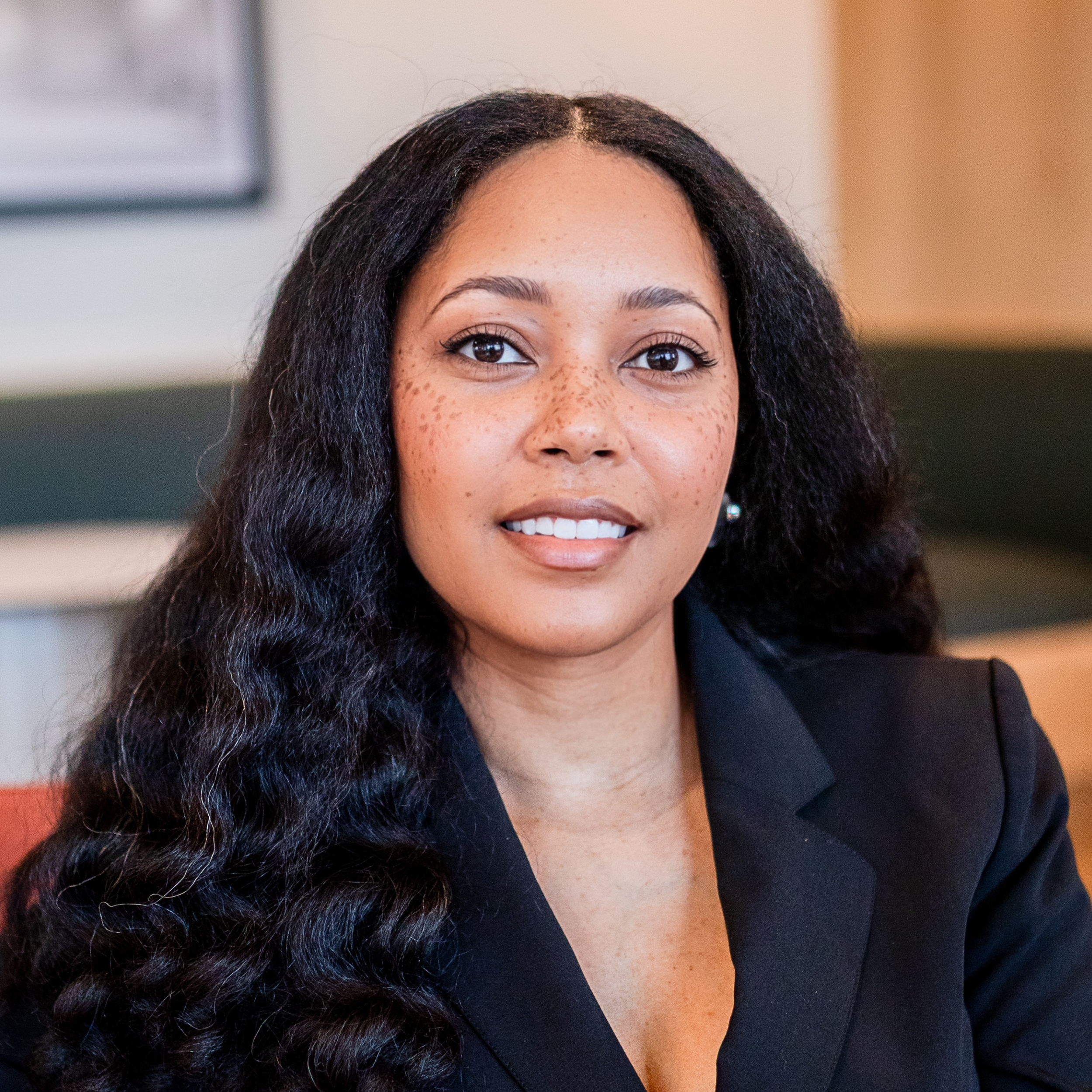
Photo Credit: Rochelle Wilson
Founder of WOW Health, the first global discovery platform with a living view of the companies, investors, allies, and data fueling women's health innovation, as well as the communities bringing founders, funders, and partners together.
One of my early setbacks was the struggle to define our value proposition. Like most startups, we had to be clear about what made us different, but doing that in women's health raised the stakes. It's a space that's historically underfunded and underresourced, which means every founder in it has fought hard to get where they are. When we realized that, we stopped trying to out-compete the ecosystem, focused on how to complement it, and celebrated the founders and organizations already doing this work—all while finding our own unique lane.
We approach setbacks with a collaborative and positive mindset. We genuinely believe that women's health can change, and that belief is the starting point for everything else. We also know we can't do it alone. Our outlook stays forward-looking and grounded in audacity, a refusal to surrender, and endless collaboration… even when things get hard.
Natanya Wachtel
Founder & Chief Network Alchemist of New Solutions Network, a network of companies in enterprise, wellness, media, and advocacy that run on one engine: behavioral science.
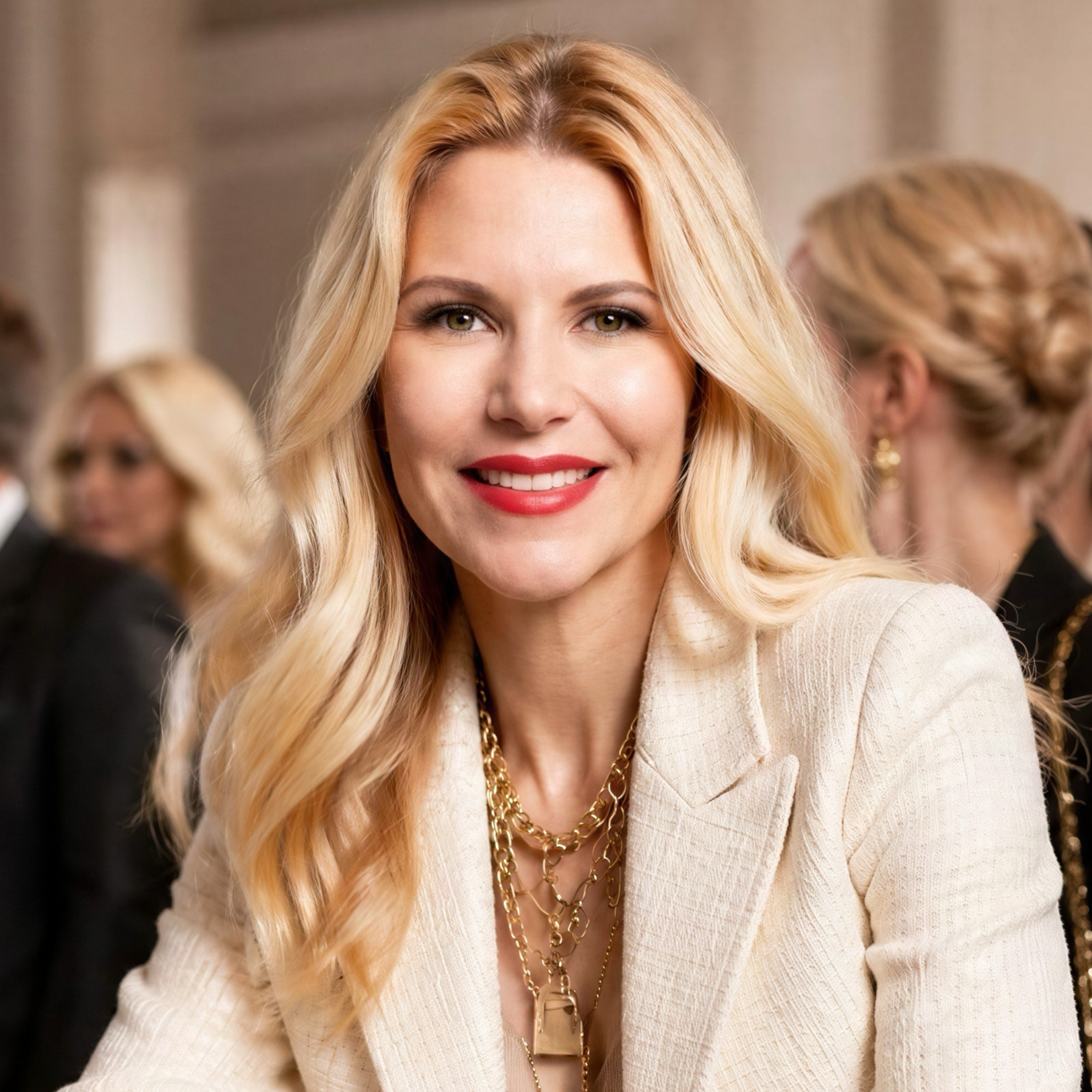
Photo Credit: Hostage Media
I was left with a traumatic brain injury after falling from a stage. In the immediate wake of this near-death experience, I found myself running a company whose entire operating system was my own judgment. I cancelled every speaking engagement, lost millions in confirmed and projected revenue, and spent months performing a competence I did not have, all because I believed investor confidence was something you protect by lying about your own bandwidth. But rebuilding taught me otherwise. I restructured so that no critical part of the company lived only inside my body, put the ethics into the contracts instead of just the relationships, and stopped mistaking enthusiasm for willingness to be there on the worst day.
Before I react to anything in business now, I give myself at least a 24-hour window, and I spend that time calling the people who will argue with me instead of the ones who will automatically agree. I don’t have to be the one holding everything up, and I ask for help now instead of trying to prove I don’t need it.
Amanda Northcutt
Founder & CEO of LevelUp, working with consultants, fractional executives, and professional-services firms to replace unpredictable project income with recurring revenue so the business compounds year over year.
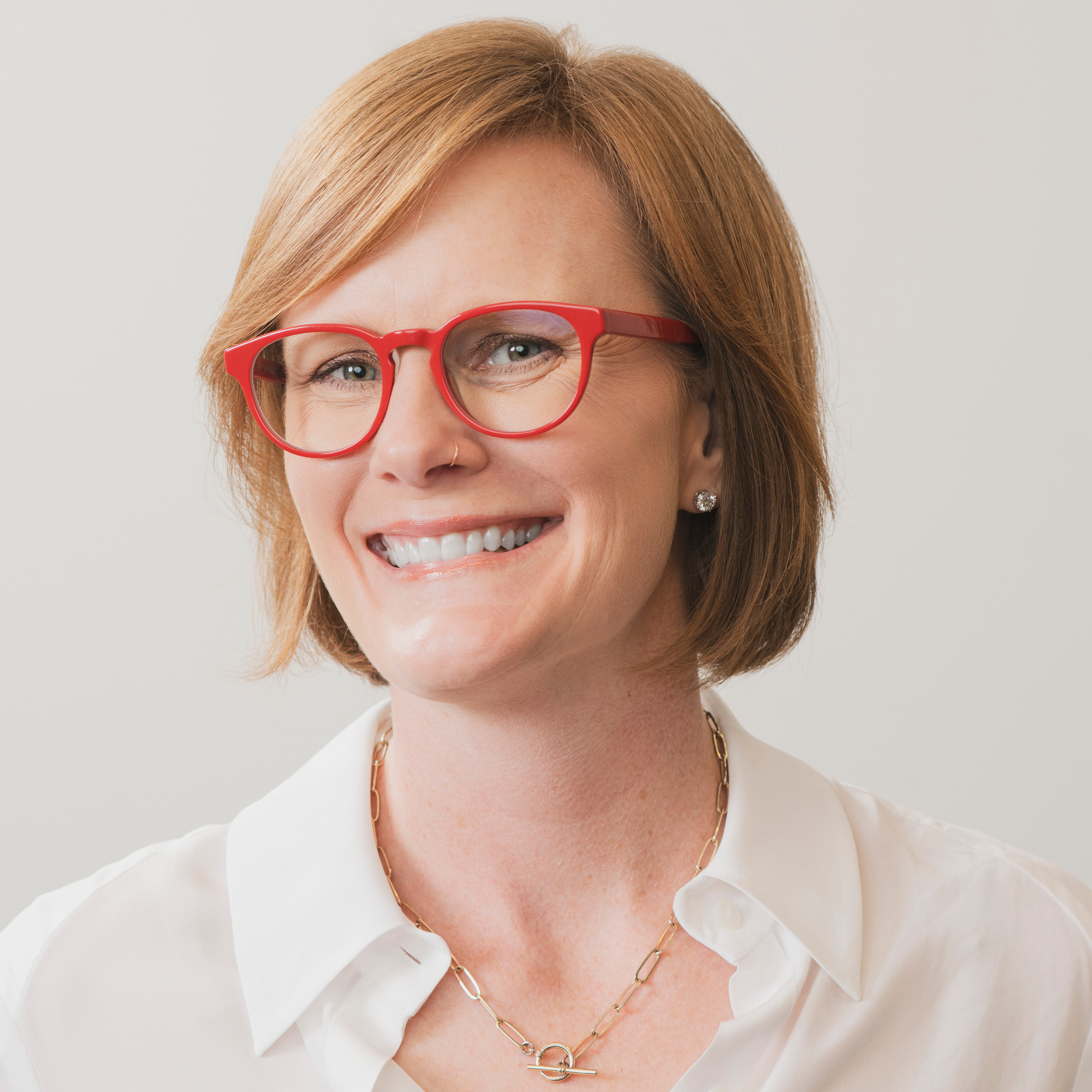
Photo Credit: Greg Kahn
For years, I held the company together the way you would hold a ball of loose wires: one hand on each side, brute force, arms shaking. The tighter I gripped, the bigger the ball seemed to grow. My setback was admitting I had become the single point of failure in a business I was building to outlast me. If I wanted things to change, I had to start hiring people who could put the wires back themselves
I hire before I feel ready now, and I get what is in my head out of it and onto paper. The ball is much bigger than it was and my arms are still tired, but there are other hands on it—and that’s the whole point.
Catharine Montgomery
Founder & CEO of Better Together Agency, a public relations and marketing firm combining human insight with responsible AI to build clear, equity-driven communications strategies.
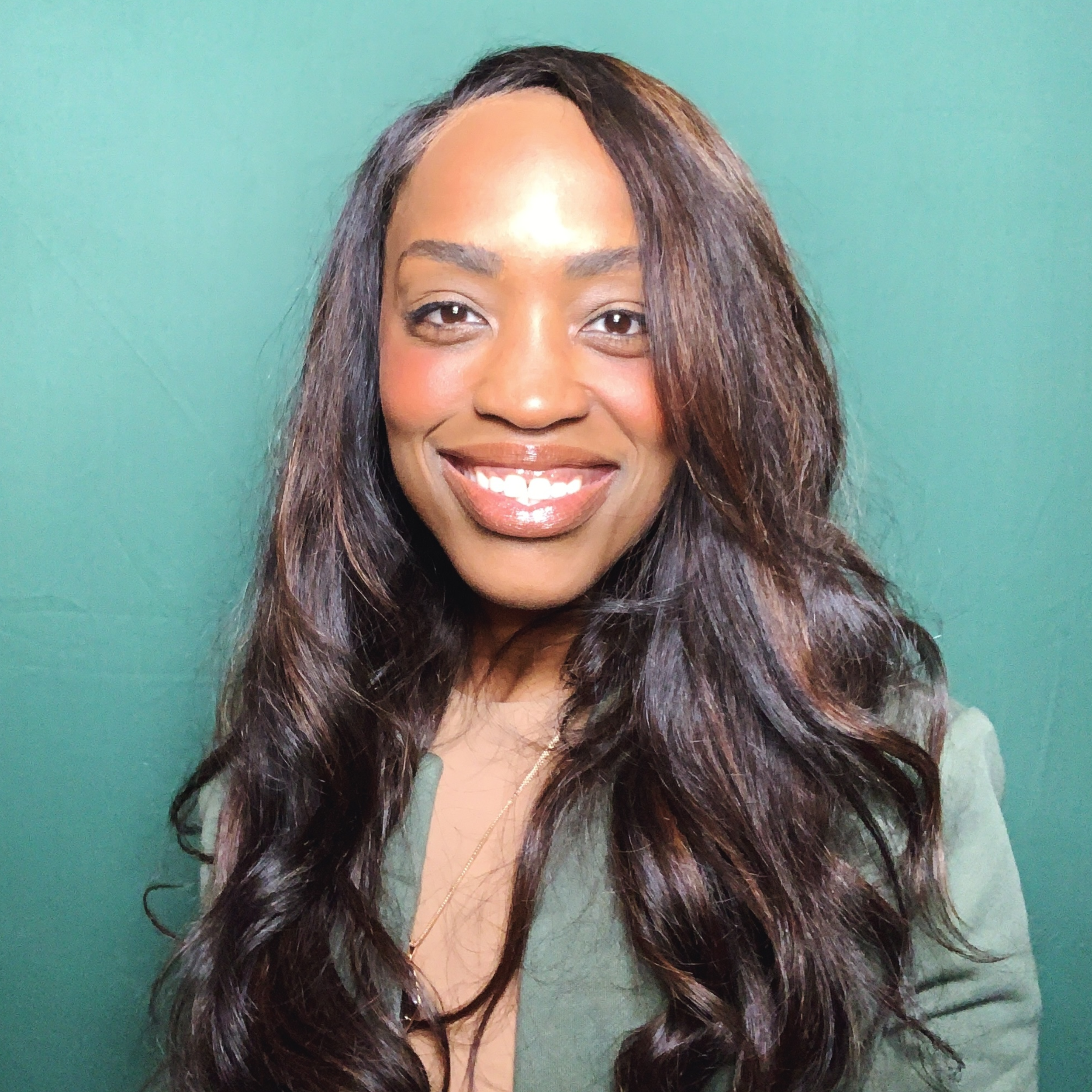
Photo Credit: Headshot Pro
Before I could build TogetherAI from scratch, I had to learn to code. Creating a bias-aware AI platform built specifically for nonprofits, advocacy groups, and startups took six months, and while we were in the middle of the process, the underlying AI models kept changing, forcing constant reworks just to keep the tool current. There was a point when I wanted to stop.
A network of supporters kept me moving—and pushing through my doubts ultimately built more than the product. It developed my confidence as a builder and a communications strategist. That six-month grind turned into new clients who trust Better Together Agency with both their communications and their AI adoption, which I couldn’t have offered before I built it myself.
Amber Chaudhry
Founder & Pharmacist of Noori Skincare, a clean, science-backed skincare line formulated especially for teens and tweens.

Photo Credit: Amber Chaudhry
Reaching teens and tweens is harder than anyone tells you. There was no single place I could reach them, and the ones I could reach were not the ones holding a credit card. I learned that my user’s mom is the customer. Once I saw that, everything moved. It made me a better founder because it taught me the difference between the person using the product and the person buying it. Those are not always the same person, and the business only works when you know which one you are talking to.
Noori is a small business run by one person, and my early instinct was to go all in on whatever I believed. As a result, every wrong belief cost me months and real money. Now, I size the bet to what I actually know. I test at a hundred units before I commit to a thousand. I launch the simple version first and let customers tell me what the next one should be.
All individuals featured in this article are members of Dreamers & Doers, a highly curated community and PR Hype Machine™ amplifying extraordinary women entrepreneurs and leaders through authentic connections, credibility-boosting visibility, and opportunities that accelerate big dreams. (Learn more about membership here.)
Double-click to edit...